Retail Music Strategy
Research, insights, and the science of sound in commercial spaces.

Live Music in Your Store: When to Book a Band
September 2026 · 9 min read
Four occasions when a musician on the floor beats the store soundtrack, why recorded music runs the ordinary days, and the licensing rule that comes with a band.
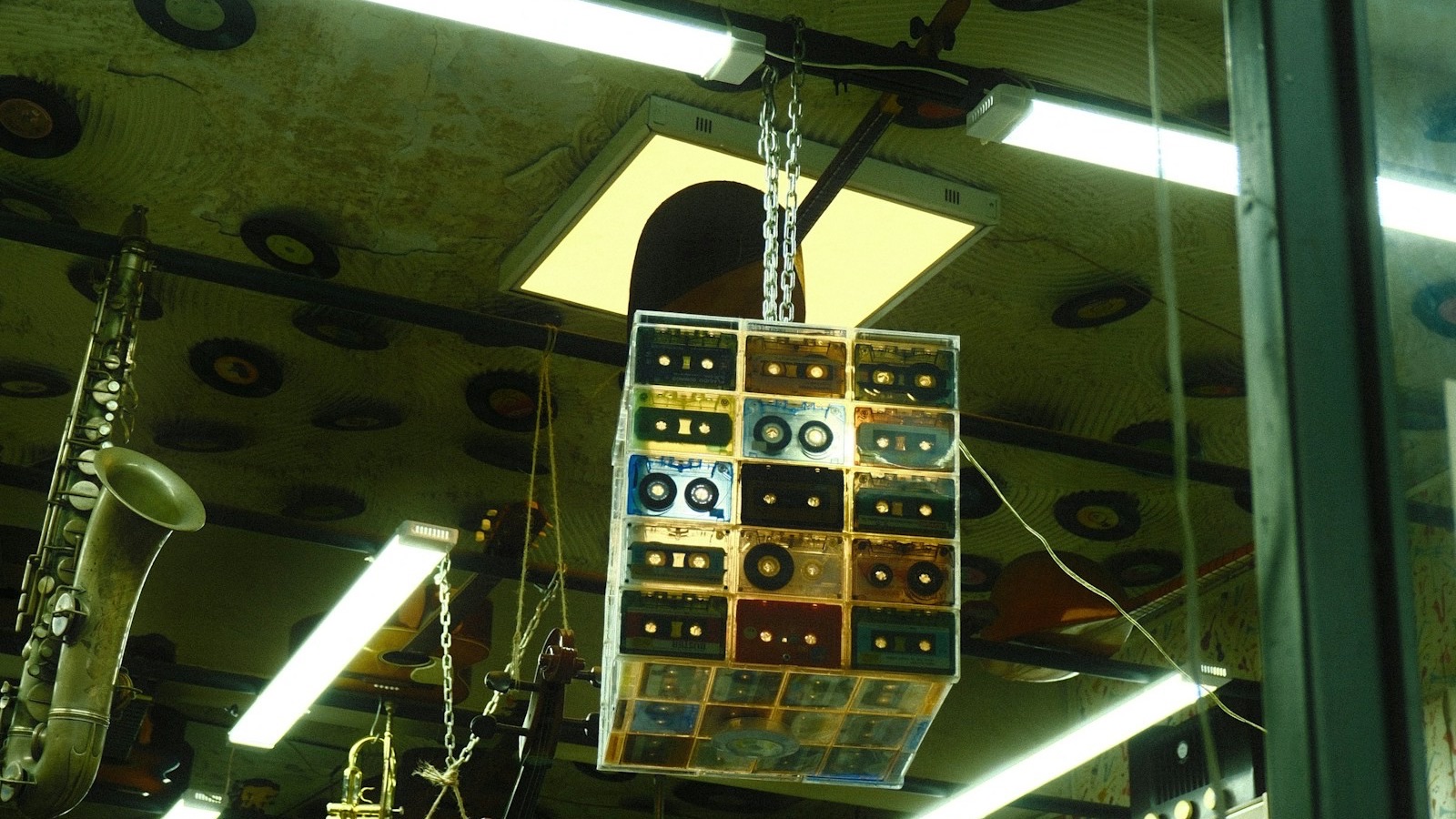
Why Hit Songs Make Bad Store Music
August 2026 · 4 min read
A hit is engineered to win a fight for attention. A store soundtrack runs all day for a room full of people who never chose it.
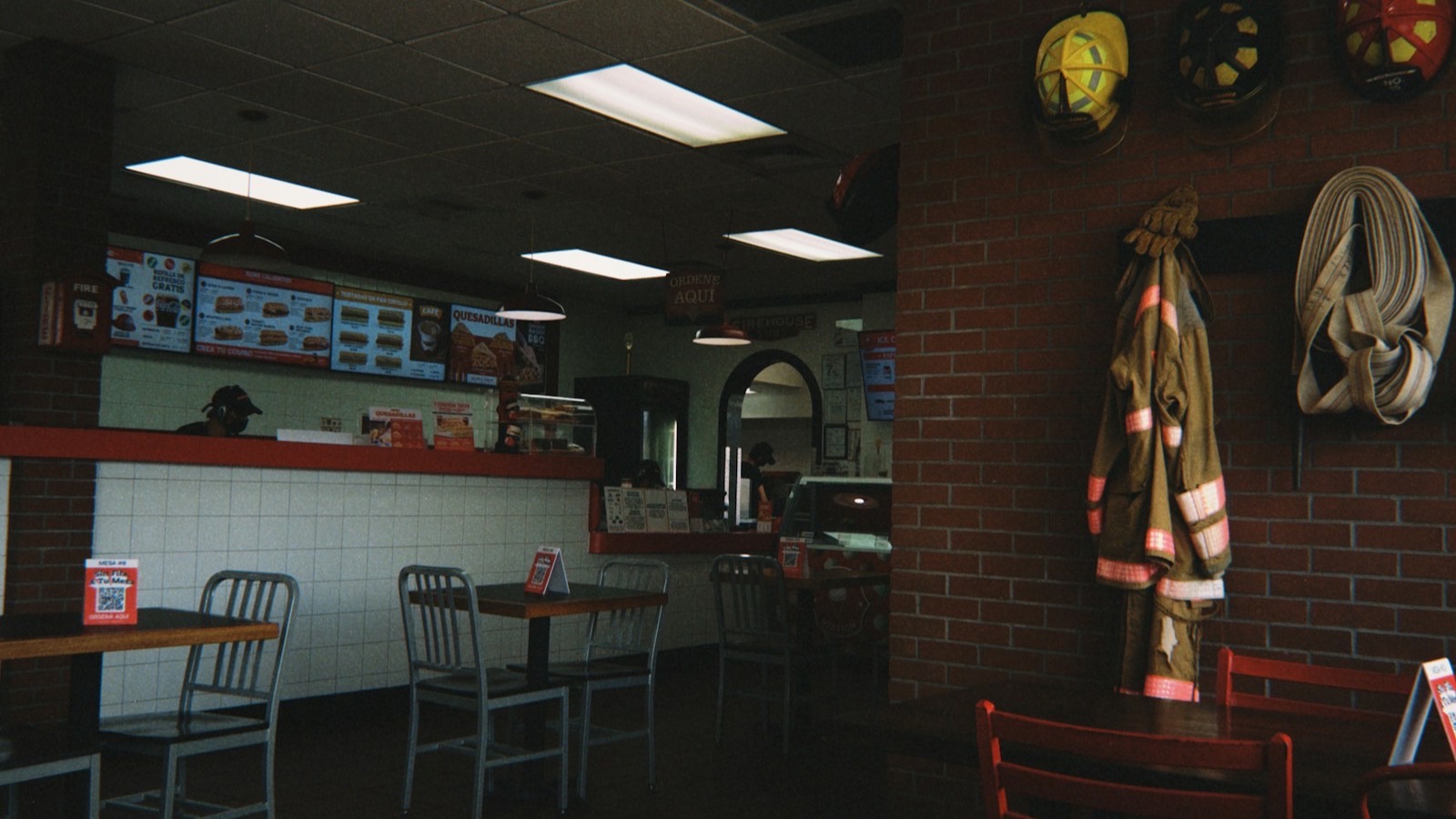
The Sandwich Shop Was Playing Music for a Funeral
July 2026 · 4 min read
An empty dining room at dinner hour, a dwell-time play borrowed from grocery, and a sound system nobody in the building has the authority to fix.

What One Chord Does
July 2026 · 6 min read
A pop song fuses a hundred decisions into one object, so you never learn which one moved the room. Generative music lets you hold the song still and change one thing.
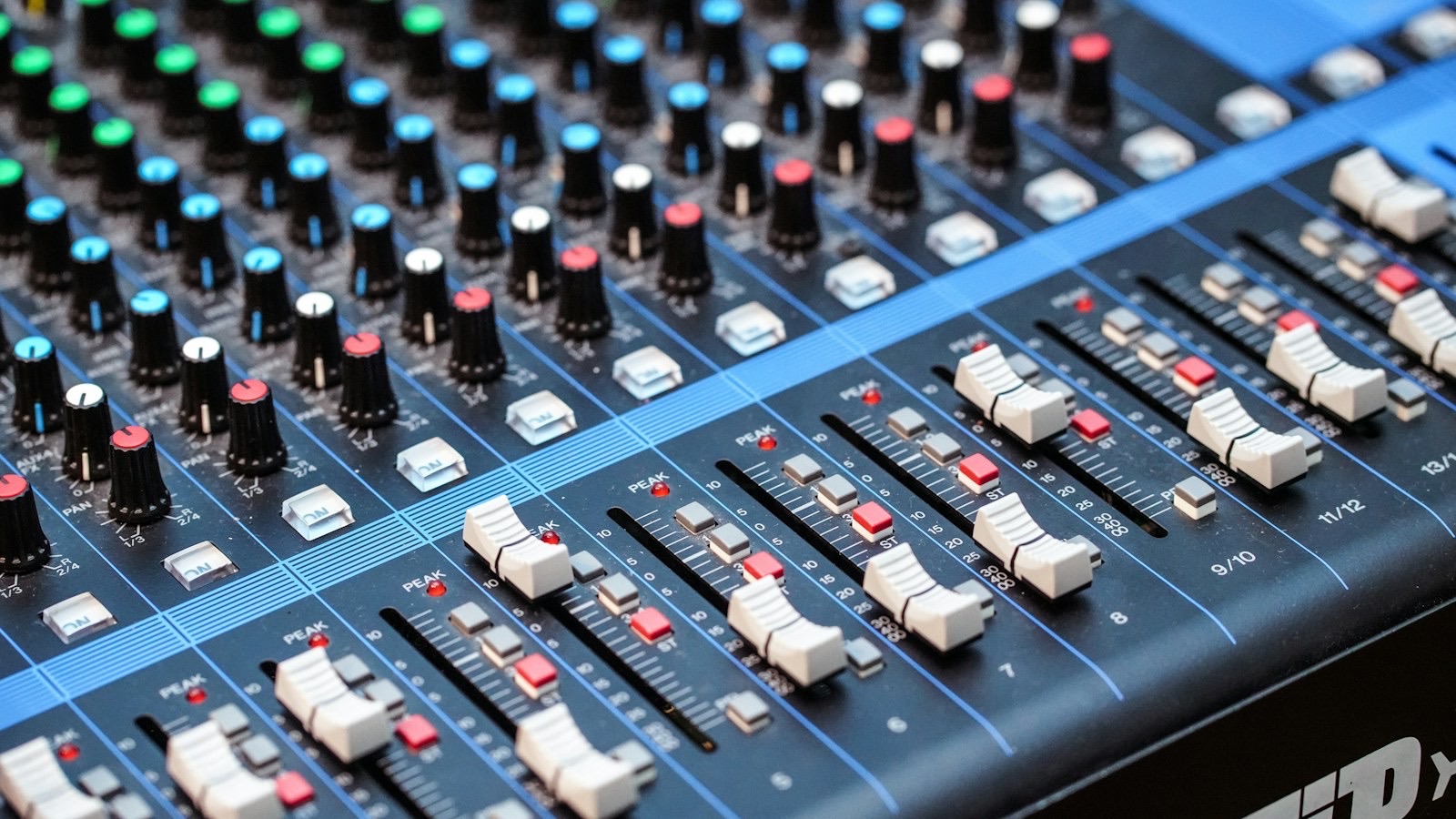
What in the Music Actually Moves the Sale
July 2026 · 9 min read
Tempo, mode, lyrics, familiarity, volume, and structure, ranked by what the field research shows each one does to the person holding the basket.
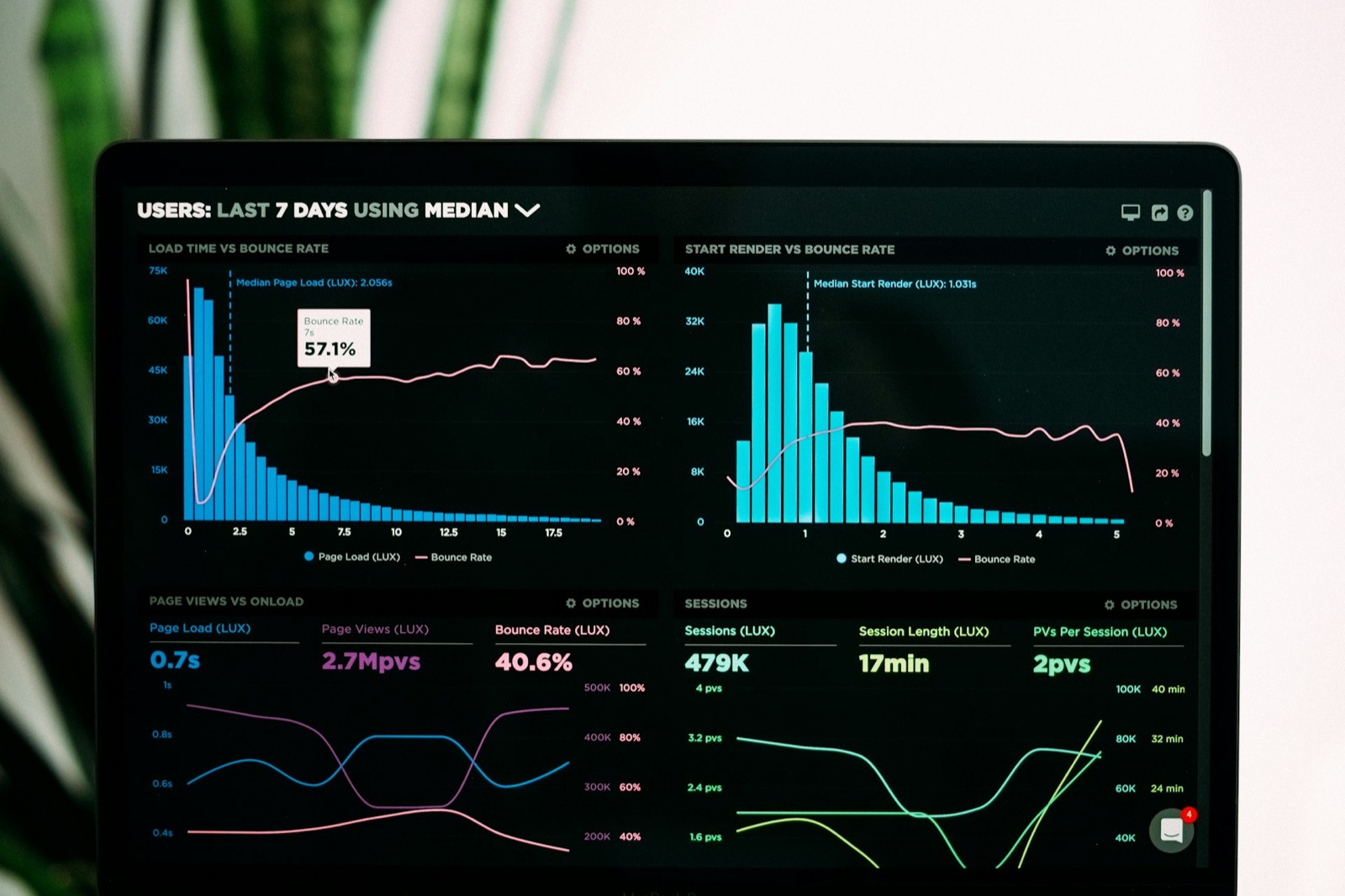
Every Music Vendor Now Claims Music Boosts Sales. We Audited the Claims.
July 2026 · 8 min read
Nine vendors, their own marketing language, and the one question none of their products can answer: what did the music contribute in your stores last quarter?
What Makes a Retail Music Strategy Effective? 5 Research-Backed Pillars
2026-06-09 · WATCH
An effective retail music strategy rests on five pillars: emotional targeting (especially in the first 5 minutes), sensory congruence across all channels, dynamic responsiveness to real-time condition
Can Music Be Optimized for Sales? Yes — Here's How
2026-06-09 · WATCH
Yes, music can be optimized for sales the same way you'd optimize a landing page — by controlling individual variables and testing systematically.

What to Do About an ASCAP or BMI Demand Letter
June 2026 · 8 min read
A letter from a PRO is a licensing demand, not a lawsuit. What it can actually cost, the radio exemption no demand letter will volunteer, and three honest ways to make it go away.
What's the Best Retail Music Service? A Research-Based Evaluation
2026-06-06 · WATCH
The best retail music service is the one that meets five research-backed criteria: real-time adaptability, parametric precision, brand congruence, familiarity avoidance, and measurement capability.
How Do You Measure the Impact of Music in Retail?
2026-06-06 · WATCH
Measuring music's retail impact requires tracking three links: environment to emotion, emotion to behavior, behavior to purchase.
How Much Should Retailers Spend on Music? The ROI Math
2026-06-06 · WATCH
Retail music services cost $15-100/month per location, but the real question is ROI, not cost.

How Do You Choose Music for a Store? A Research-Backed Framework
2026-06-06 · WATCH
Choosing music for a store requires starting with customer preference — not brand identity.

Your Store Music Has a Second Audience: Your Staff
2026-06-05 · 6 min read
A customer hears your music for eight minutes; your staff hear it for eight hours. The research on how it helps — or quietly grates on — the people who work there.
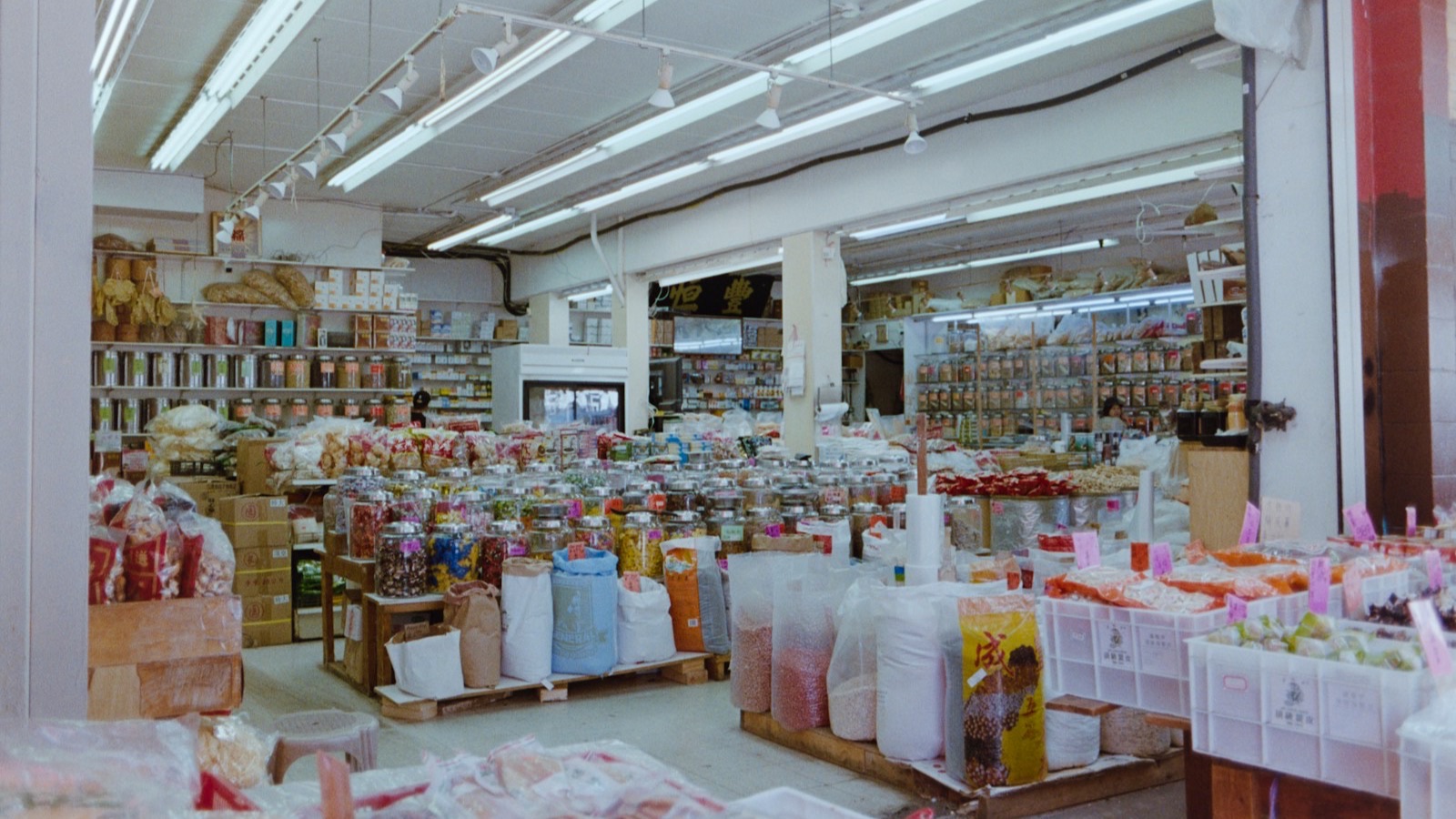
What Music Should a Supermarket Play? When It's Crowded, Speed Up
2026-06-05 · 6 min read
The rule says slow music makes shoppers spend more. In a packed supermarket it flips — and a study of 43,676 baskets shows exactly how.

What Music Should a Bar Play? Why the Volume Matters More Than the Song
2026-06-05 · 6 min read
Researchers turned the music up in real bars and watched the drinking change. The lever wasn't the songs — it was the dial on the wall.

What Music Should a Restaurant Play? It Changes How the Food Tastes
2026-06-05 · 6 min read
Sound is closer to an ingredient than a backdrop — it can make a dish taste sweeter, steer diners toward indulgence, and pour an extra round.
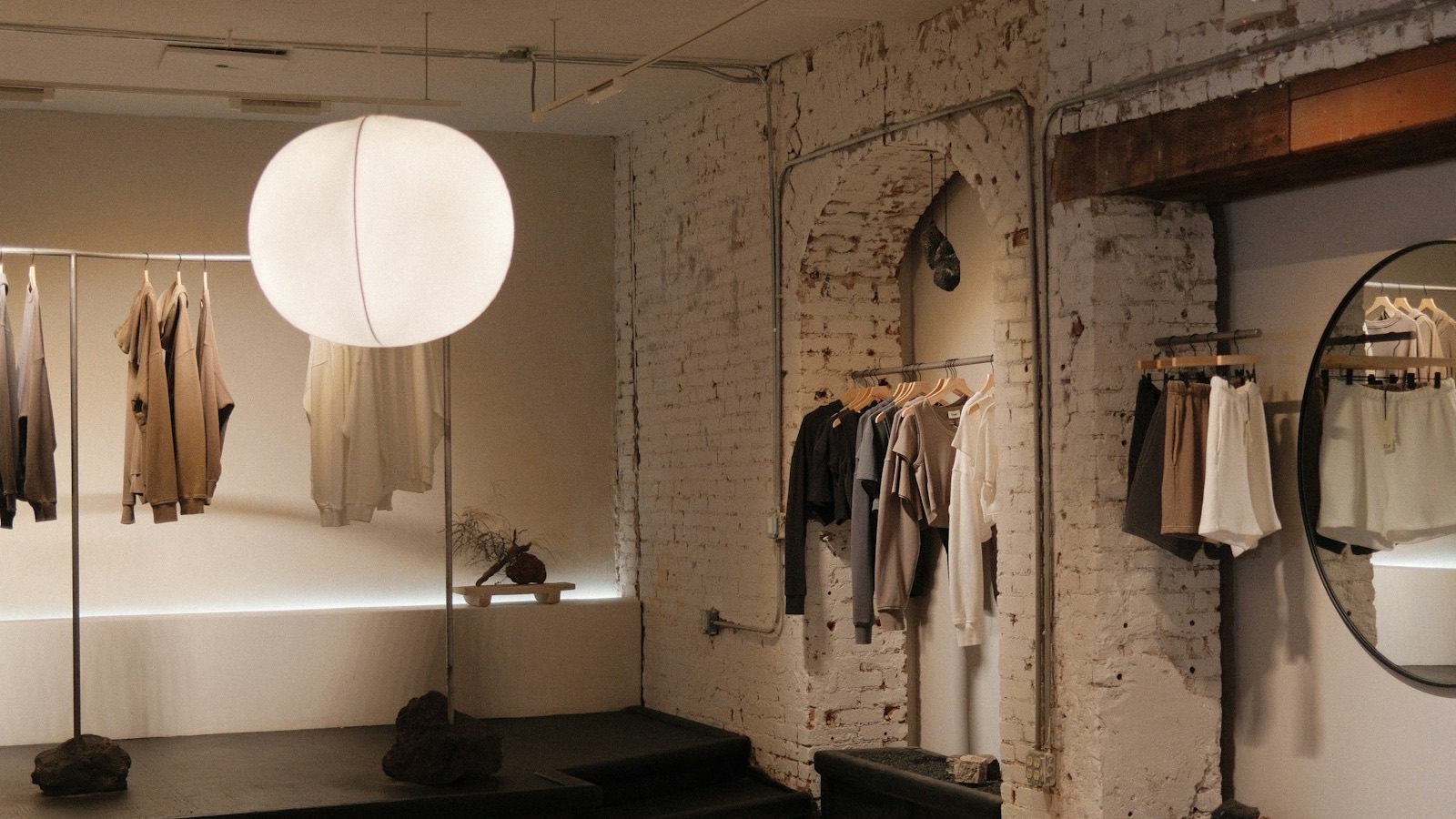
What Music Should a Clothing Store Play? Why Letting Staff Pick Cost One Brand 11%
2026-06-05 · 6 min read
A fashion brand let staff control the music. Sales fell up to 11%. The lesson isn't that music doesn't matter — it's the opposite.

What Music Should a Hotel Lobby Play? It's the Brand's First Sentence
2026-06-05 · 6 min read
A guest forms a verdict on your hotel in the first seconds of the lobby. Music is one of the loudest things in that judgment — and the least deliberately chosen.

What Music Should a Flower Shop Play? There's Actually a Study
2026-06-05 · 5 min read
A field experiment in a real florist found romantic music lifted spending — and ordinary pop did no better than silence. The lever is fit.

What Music Should a Jewelry Store Play? What the Research Suggests
2026-06-05 · 6 min read
No jewelry-store study exists, but the closest research is a clean match: upscale music nudges shoppers toward the pricier choice — without changing how long they stay.

The Science of Store Music: How Sound Quietly Changes What People Buy
2026-06-05 · 7 min read
Store music really does move behavior — but the honest version is smaller and more fit-dependent than the listicles claim. What the evidence actually supports.
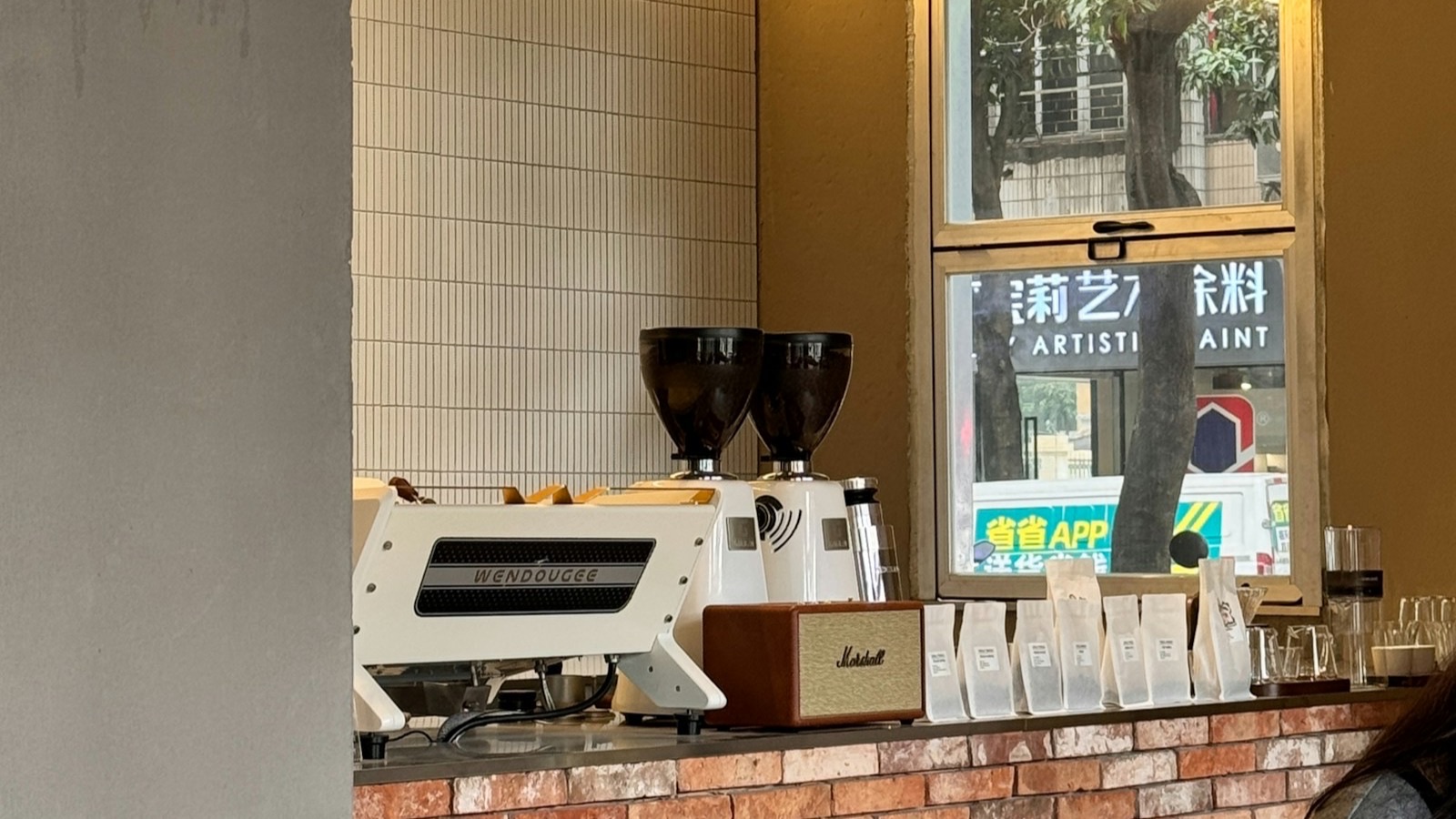
What Music Tempo Should a Coffee Shop Play? The Honest Answer
2026-06-05 · 6 min read
Slow music slows people down — but the famous spend lift came from a restaurant bar, not a café. What the tempo research really says.
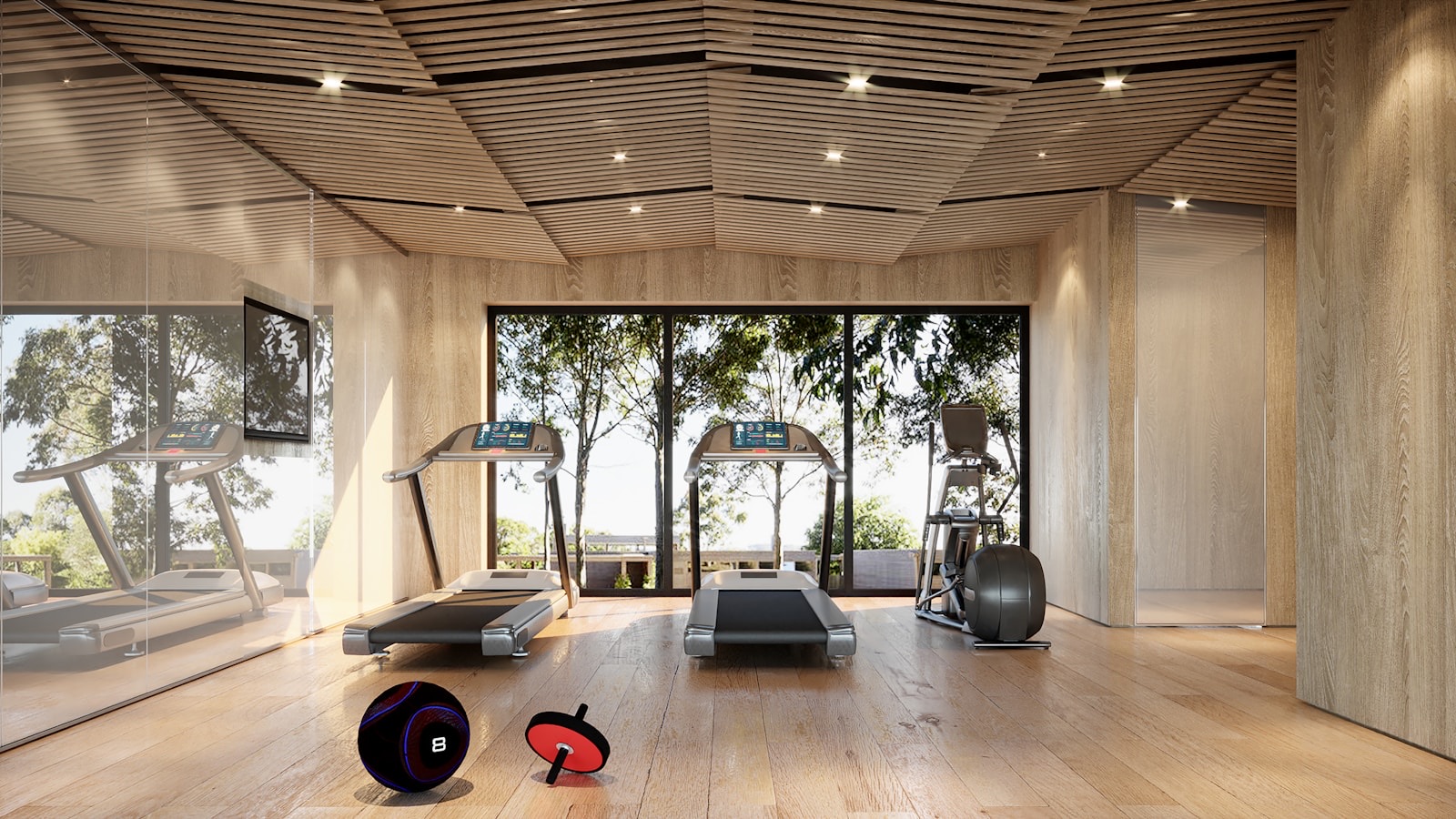
What's the Best BPM for Workout Music? What the Research Actually Says
2026-06-05 · 6 min read
There's a real tempo band for exercise — and a ceiling where faster stops helping. The most useful finding: the beat itself does most of the work.
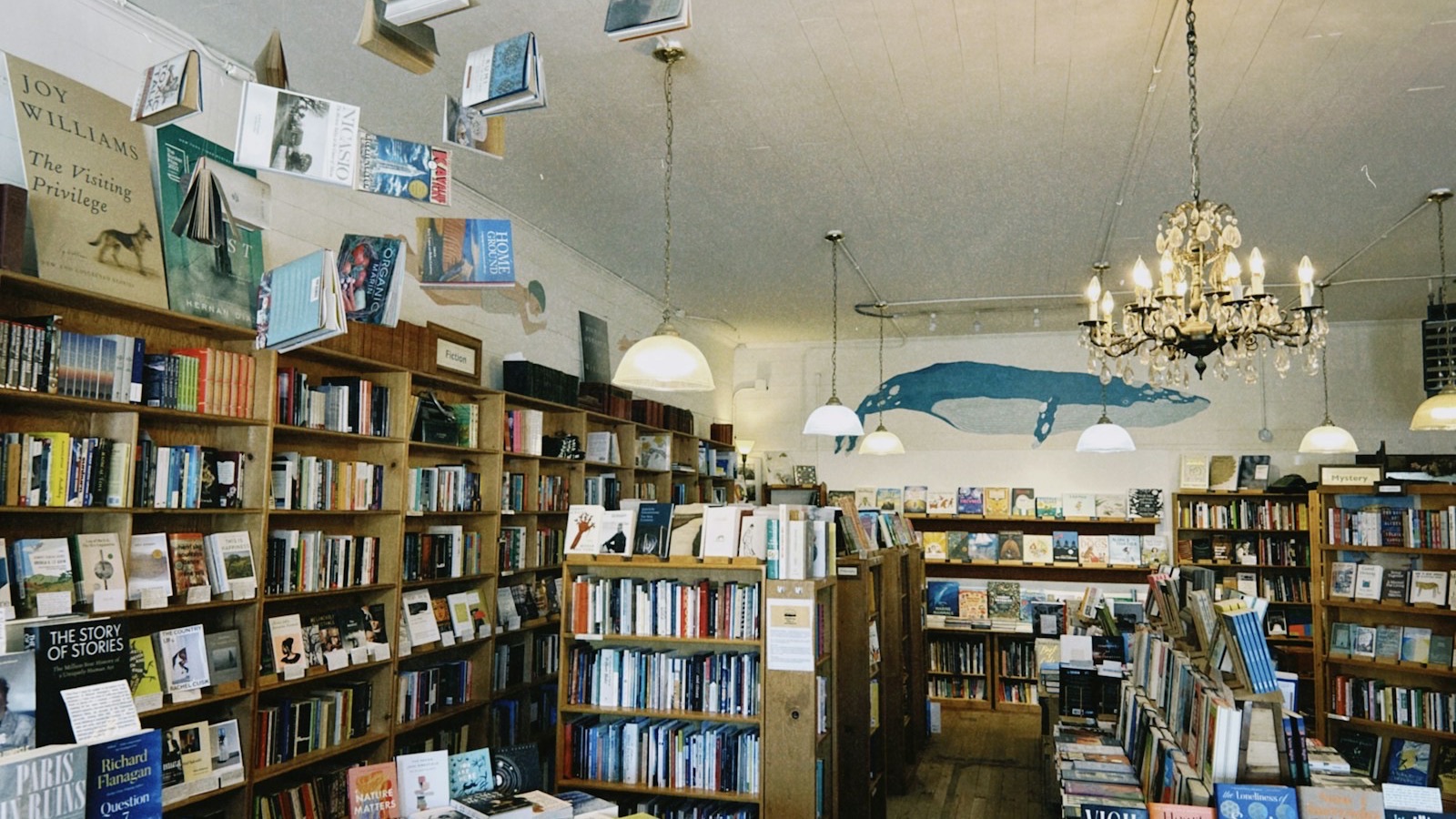
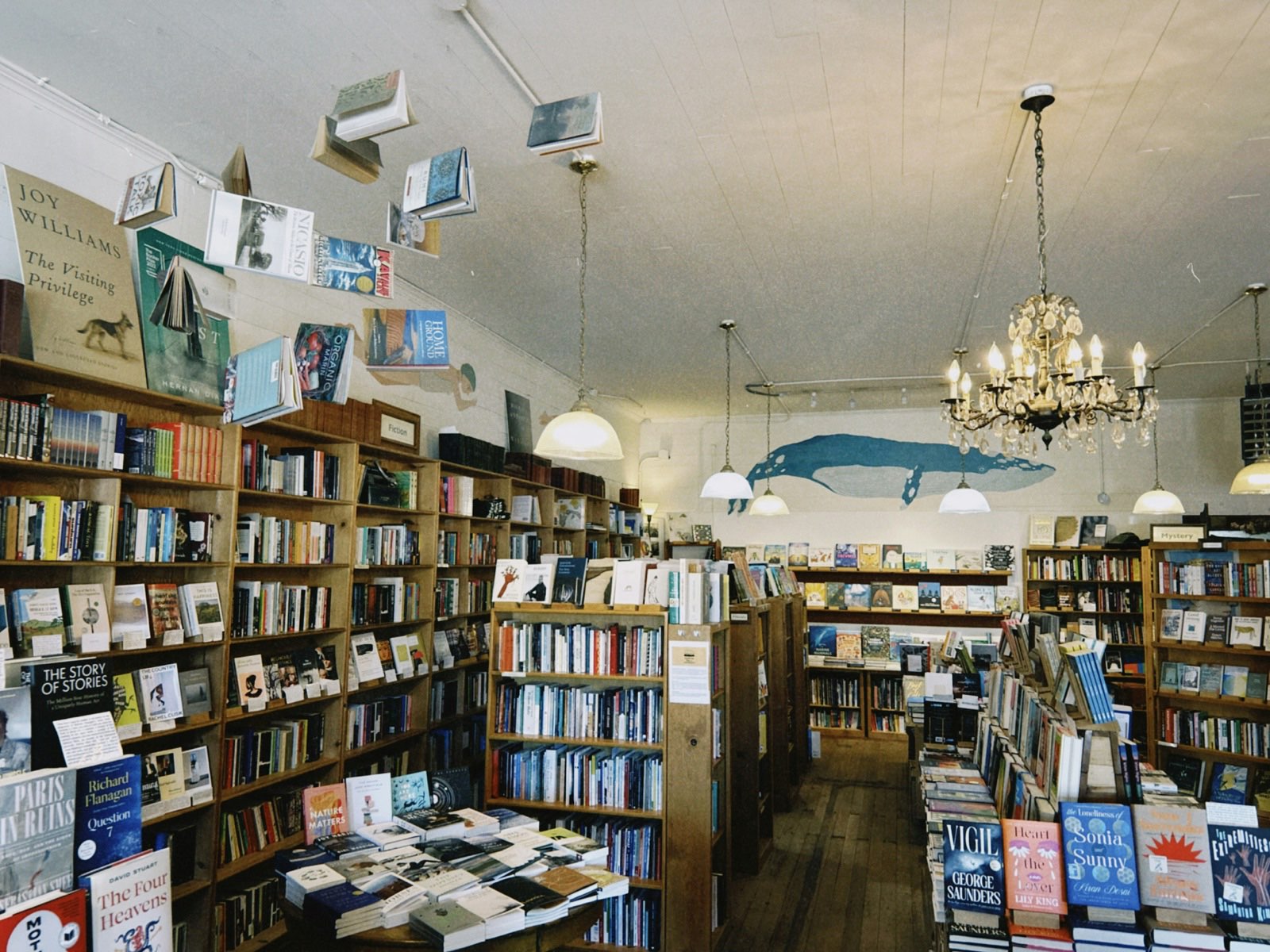
What Music Should a Bookshop Play? The Research Is Counterintuitive
2026-06-05 · 6 min read
The music that makes people actually browse longer is not the music that feels comfortable. What the research says about sound and the unplanned browse.

Calming Music for a Dog Grooming Salon: What the Research Actually Says
2026-06-05 · 5 min read
Classical music measurably lowers stress in kenneled dogs — but they tune the same loop out by the second day. What that means for a working salon.
What Should Retailers Look for in a Music Provider?
2026-06-05 · WATCH
Retailers should evaluate music providers on six research-backed criteria: real-time adaptability, parametric control, brand congruence, measurement capability, licensing clarity, and customer prefere
How Do Retail Music Services Actually Work?
2026-06-05 · WATCH
Retail music services range from basic licensed playlists to adaptive, generative platforms that adjust in real time.
Can Music Actually Distract Customers FROM Shopping?
2026-06-04 · WATCH
Yes — music can hijack cognitive resources away from shopping decisions.
Is Popular Music Always the Best Choice for Retail? (The Data Says No)
2026-06-04 · WATCH
Popular music consistently underperforms in retail — and in some studies performs no better than silence.
Why Playlist-Based Music Systems Consistently Underperform
2026-06-04 · WATCH
Professionally curated playlists showed no significant sales effect across a 140-store field study — the largest retail music experiment ever conducted.
Can the Wrong Music Actually REDUCE Your Sales?
2026-06-04 · WATCH
Yes — the wrong music actively reduces sales, not just fails to help.
Why Some Stores Accidentally Push Customers Out the Door
2026-06-04 · WATCH
Stores push customers away with well-intentioned sensory choices they think are improving the experience.
Can Familiar Music Actually HURT Your Retail Sales?
2026-06-01 · WATCH
Yes — familiar music makes customers leave faster.
How Does Music Shape Brand Perception?
2026-06-01 · WATCH
Music doesn't just complement a brand — it becomes part of the brand identity in customers' minds.
Why Do Some Stores Feel More Inviting Than Others?
2026-06-01 · WATCH
Whether a store feels inviting comes down to measurable sensory variables — and more stimuli can actually be worse.
How Does Music Influence Emotions in Retail?
2026-05-31 · WATCH
Music is the fastest emotional lever in any retail environment — faster than lighting, scent, or visual merchandising.
How Does Music Affect Perceived Value?
2026-05-31 · WATCH
Music reframes how customers perceive the value of products — the right soundtrack makes inventory feel worth more, while the wrong one makes it feel cheap.
Does Music Affect Willingness to Pay?
2026-05-31 · WATCH
Music can increase the maximum price a customer is willing to pay — but only for hedonic (pleasure-driven) products.
What Is Dwell Time and Why Does It Matter?
2026-05-31 · WATCH
Dwell time — total time a customer spends in your store — is one of the strongest predictors of unplanned purchases, but only when paired with the right emotional state.
How Does Music Affect Browsing Behavior?
2026-05-31 · WATCH
Music affects what customers pick up, which direction they turn, and how many categories they explore — all without conscious awareness.
Does Fast Music Increase Sales?
2026-05-31 · WATCH
Fast music can increase retail sales by approximately 8% — but only in crowded stores.
Does Slow Music Increase Sales?
2026-05-31 · WATCH
Slow music does not reliably increase sales on its own.
How Does Tempo Affect Shoppers?
2026-05-31 · WATCH
Music tempo does not have a simple fast-or-slow effect on retail sales.
Why Music Is the Most Underrated Tool in Retail
2026-05-29 · WATCH
Music is the most underrated tool in retail because it operates across more psychological dimensions than any other environmental variable — tempo, volume, mode, genre, familiarity, and cultural assoc
The Science of Impulse Purchases (And How Music Triggers Them)
2026-05-29 · WATCH
Impulse purchases are driven by emotional state, not product displays — and the pleasure a customer feels in the first 5 minutes of entering a store is the strongest predictor of unplanned spending.
Can Background Music Actually Increase Revenue? (140-Store Study Reveals the Truth)
2026-05-29 · WATCH
Yes — background music can increase revenue, but the effect is conditional.
How Music Secretly Influences What You Buy (The Psychology of Purchasing)
2026-05-29 · WATCH
Music influences purchasing decisions through four pathways: tempo drives variety-seeking behavior, cultural cues prime product selection, emotional state triggers impulse buys, and volume shifts cogn
What Music Should You Play in Your Store? (The Science-Backed Answer)
2026-05-27 · WATCH
The right store music isn't a genre — it's a system.
The Dwell Time Secret: How Music Keeps Customers in Your Store
2026-05-27 · WATCH
Music increases dwell time by up to 15 minutes per visit.
How Music Controls Customer Behavior (Without Them Knowing)
2026-05-27 · WATCH
Music controls customer behavior through at least four mechanisms: it changes walking speed (volume), dwell time (tempo), product selection (cultural priming), and impulse purchases (emotional state).
Can Music Make Customers Spend MORE? (What 43,000 Transactions Reveal)
2026-05-27 · WATCH
Yes — music can increase customer spending by 8–15% depending on tempo, volume, genre, and context.

Retail Sound Science: How Store Music Drives Shopper Behavior
June 2026 · 11 min read
Decades of research on how tempo, volume, familiarity, and musical fit move dwell time, willingness to pay, and perceived wait — the complete operator’s map.

Retail Conversion and AOV: The Levers That Actually Move Them
June 2026 · 9 min read
What conversion and average order value really measure, the levers that move each one, and where your store’s sound environment fits among them.
Store Music Licensing: The Operator’s Guide to Playing Music Legally
June 2026 · 10 min read
Why your personal Spotify account isn’t legal in a store, what the four PROs actually charge, and the simplest path to a compliant floor.
How to Choose a Music Service for Your Store
June 2026 · 8 min read
Seven things to evaluate before you sign a music service, how the major options compare, and why the biggest catalog usually isn’t the right answer.

How Much Does a BMI Music License Cost? (And How to Avoid It)
June 2026 · 7 min read
BMI’s published small-retail minimum is about $294 a year — but BMI is one of four PROs. The full licensing bill, and how to avoid needing it at all.

Madonna Never Got Your Design Brief
May 2026 · 5 min read
Every other layer of your store gets a design brief. The music skips all of that, and the customer absorbs whatever was already written for a different room.
You’re Licensing Technology That Doesn’t Work
May 2026 · 5 min read
Your POS works. Your music doesn’t. Nobody noticed because nobody defined the job the music was supposed to do in the first place.

The Most Expensive Paperweight in Your Store
May 2026 · 5 min read
You bought one of the most powerful behavioral tools in retail. Then you set it once and walked away from it.

One Playlist for Everyone Is a Playlist for No One
May 2026 · 5 min read
A mood filter is a menu. Designed music is a specification. One of those can get precise; the other is always approximating.

Every Store Is About to Sound Different
May 2026 · 6 min read
Music is following scent design’s path into the brand experience layer. The stores that move first compound a data advantage the late adopters can’t buy back.

What If You Licensed Music the Way Film and TV Do?
May 2026 · 6 min read
Film and TV have a working model for licensing music with intentional fit. The economics make it impossible for retail. Composition closes the gap.

The Most Expensive Air in Retail
May 2026 · 7 min read
Every variable in a retail store gets designed except one. The music gets borrowed from a catalog of songs written for someone else’s emotional purpose and dropped into the air above customers in the middle of a buying decision.

She Said Exactly What the Music Told Her to Say
May 2026 · 4 min read
A customer at our UNTUCKit pilot repeated an Entuned song lyric back to me as her buying decision, without knowing it. This is what semantic priming looks like.
The Invisible Obvious, Part 1: Hands
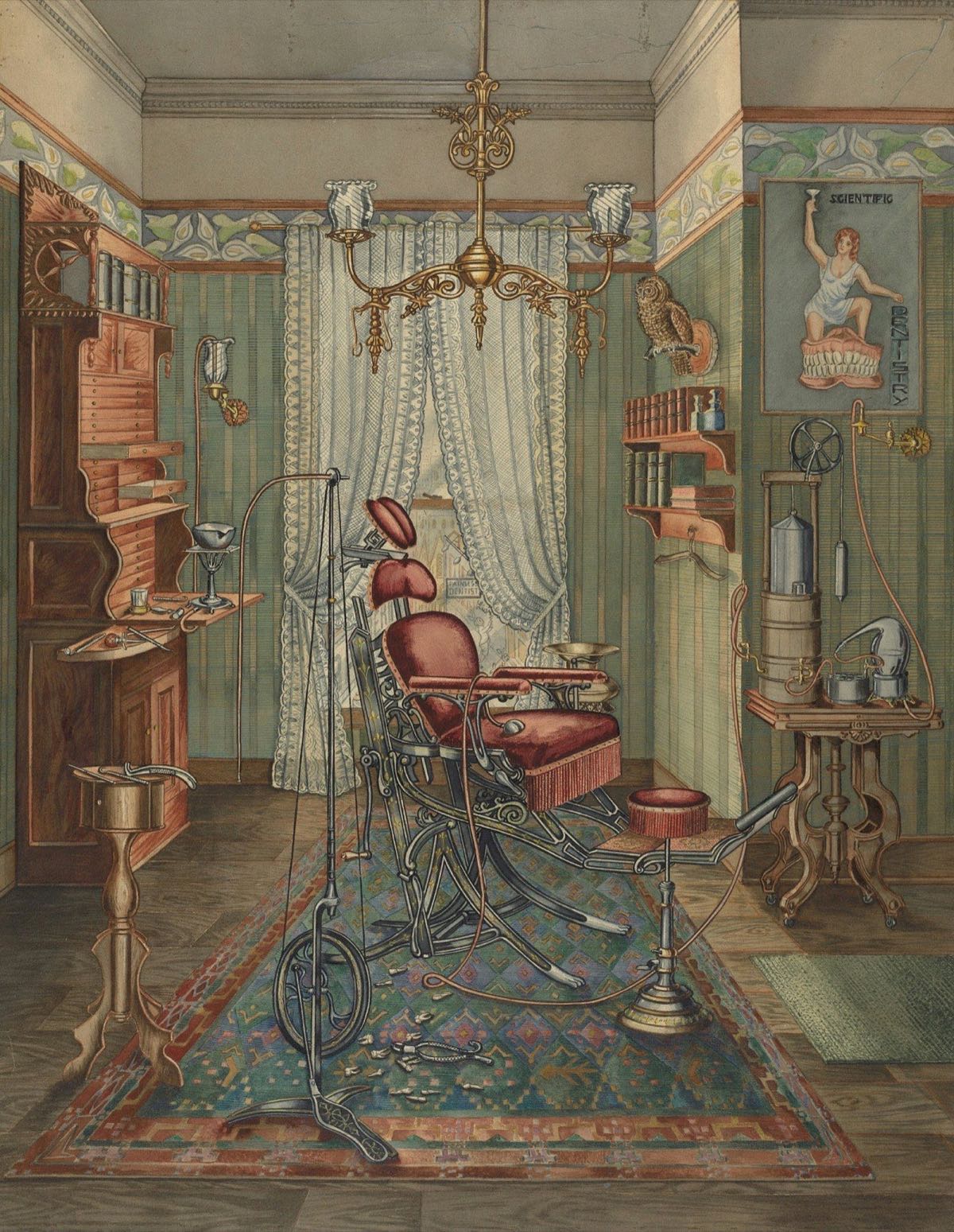
May 2026 · 4 min read
In 1847, a young Vienna obstetrician proved handwashing prevented maternal deaths. The medical establishment had him committed to an asylum.

The Invisible Obvious, Part 2: Letters
May 2026 · 4 min read
In 2012, forty thousand people read the same passage in different fonts. The ones who saw Baskerville were measurably more likely to believe it.

The Invisible Obvious, Part 3: Bodies
May 2026 · 4 min read
Nonverbal communication was dismissed as too soft for serious research until the people with money on the line started using it.

The Invisible Obvious, Part 4: Light
May 2026 · 5 min read
Until the early 1990s, retail lighting was specced by the building engineer. Then someone measured what it was doing to customer behavior.

The Invisible Obvious, Part 5: Sound
May 2026 · 5 min read
Music in retail is at the stage handwashing was in 1847. Obvious to research, invisible to operators. The series payoff.
127 BPM in a Target on a Tuesday
May 2026 · 3 min read
The song playing in a mostly-empty Target was at dance-floor tempo. The research on what that costs a retailer is decades old. Most stores have never looked at it.
Music Licensing for Retail Stores: Fines, Lawsuits, and What Every Store Owner Should Know
May 2026 · 5 min read
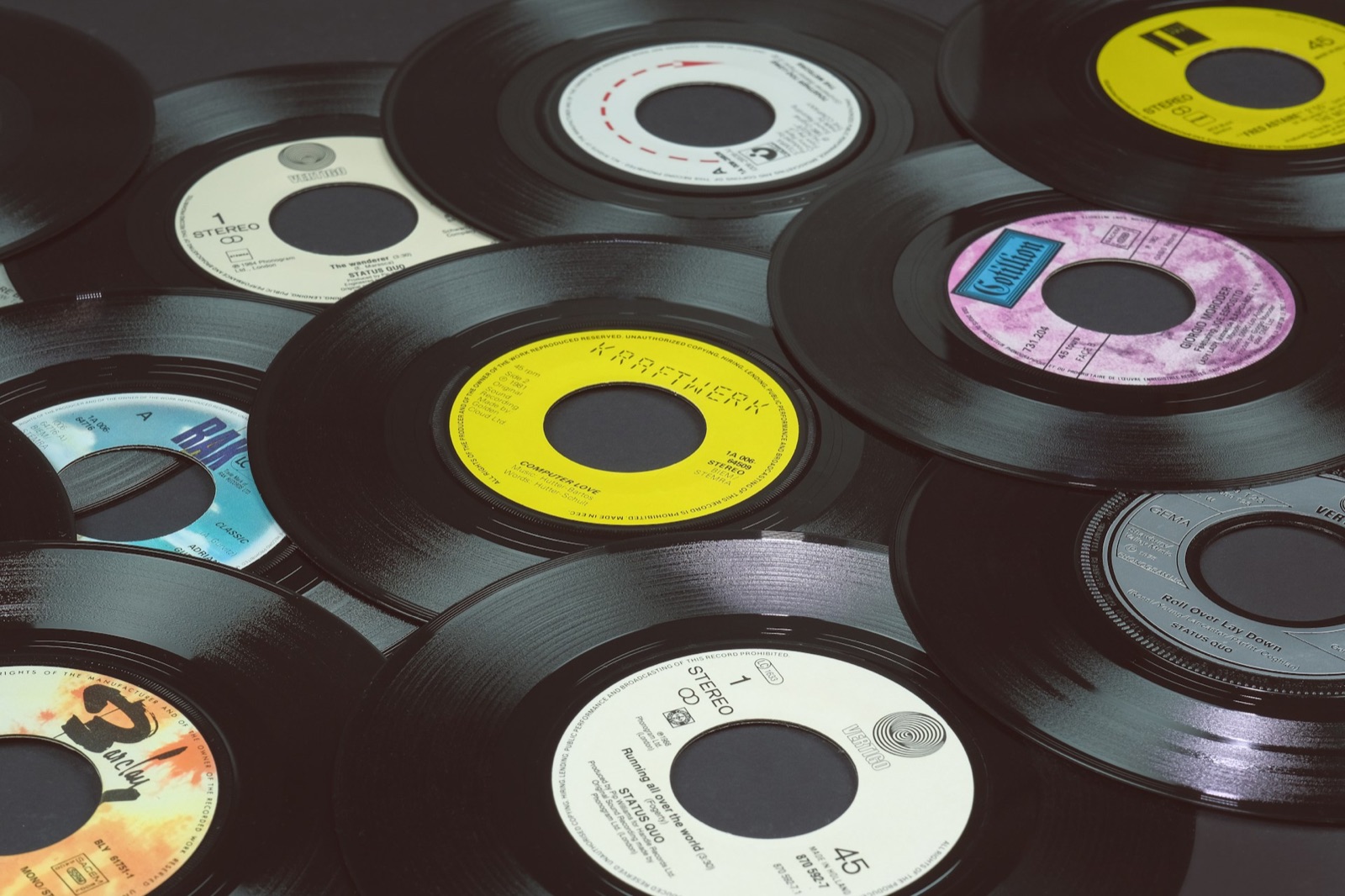
Most retailers play music without the right license. Here’s what the law actually says, what the fines look like, and why a personal Spotify account doesn’t cover commercial use.

Music Licensing Compliance: A Hidden Liability Risk for Commercial Landlords and Property Managers
May 2026 · 5 min read
Your retail tenants are probably playing unlicensed music right now. Here’s why that’s a problem for your lease, your vacancy rate, and possibly your own legal exposure.

Free and Legal Music for Retail Stores: Every Option for Playing Music Without PRO Fees
May 2026 · 5 min read
From PRO blanket licenses to commercial streaming to original music that carries no licensing obligation — every compliant path, including one that costs nothing.

You Didn’t Notice the Music. That’s the Point.
May 2026 · 3 min read
If you ran a shift on Entuned and didn’t really notice the music, that’s the system working. Judge it by what moved on the floor, not whether anyone hummed along.

Retail Music Has a Quality Problem
May 2026 · 4 min read
Walk through enough retail stores and you start noticing something. The music is getting worse — thinner, cheaper, off-brand — and the reason is structural, not aesthetic.

The Complete Guide to Store Music in 2026
May 2026 · 7 min read
Licensing rules, what the current providers offer, and why outcome-designed music is a different category. Everything a store owner needs to know.

Free Music for Retail Stores: Yes, It Actually Exists Now
May 2026 · 5 min read
Every in-store music provider charges a monthly subscription. The licensing economics that make that fee unavoidable don’t exist in Entuned’s model — which is why the free tier is unlimited and indefinite.
ASCAP License Cost: What Small Businesses Actually Pay (and How to Avoid It)
May 2026 · 4 min read
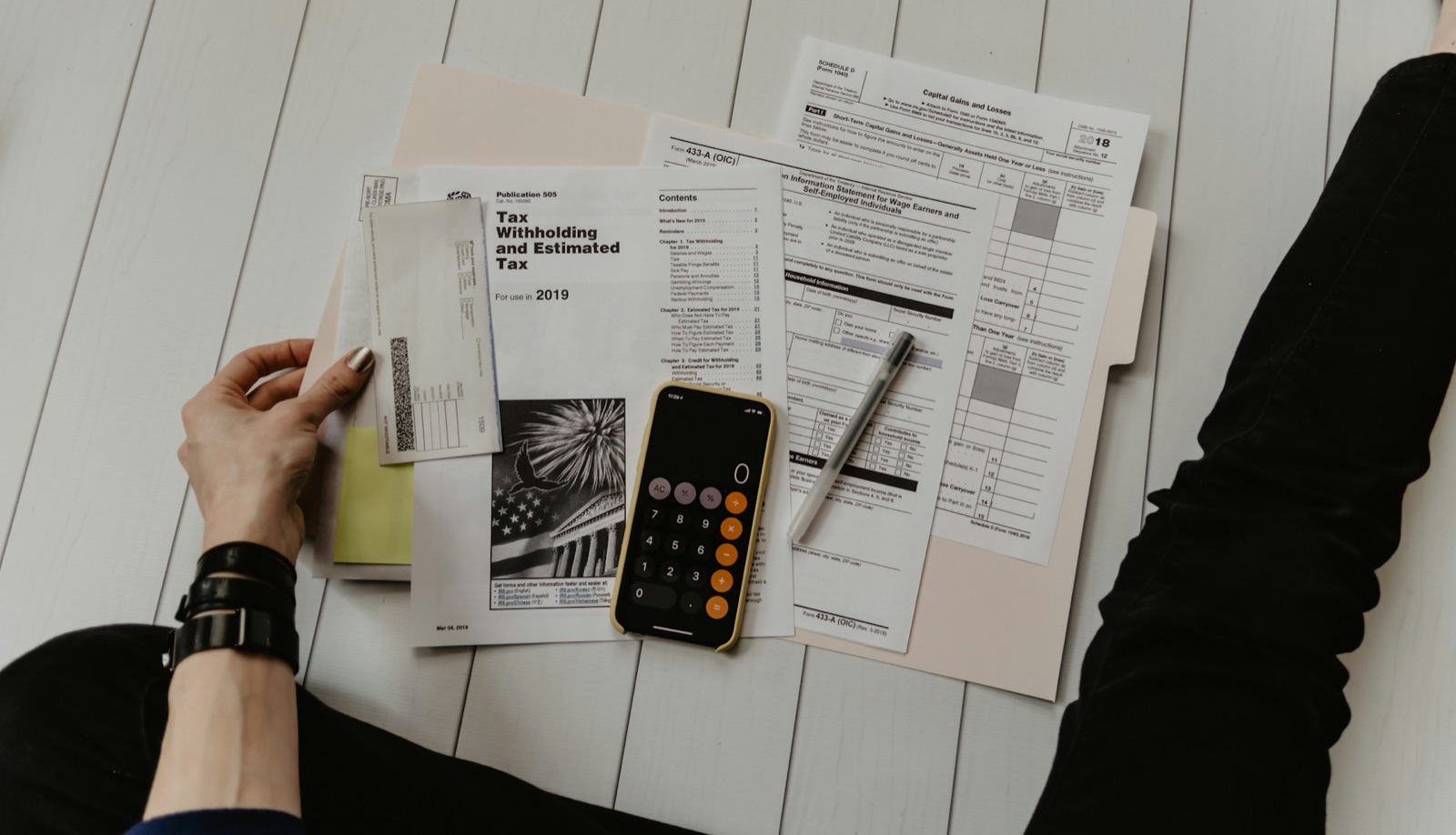
ASCAP starts at $365–$402 per year for the smallest stores — but it’s one of four PROs you need. Licensing all four directly runs $1,059–$1,552 a year for a small retailer before paying for the music itself. There is a third option.

BMI License: What It Costs and How to Avoid Needing One
May 2026 · 4 min read
Most small business owners discover public performance licensing the same way: a letter in the mail. Here’s what BMI actually costs, what the other three PROs add to the bill, and how to eliminate the question entirely.

Cloud Cover Music: What It Costs and Why There’s a Better Way
May 2026 · 4 min read
Cloud Cover starts at $16.95/month per location. The licensing economics that force that fee don’t exist in Entuned’s model — which is why our free tier is unlimited and indefinite.
Music for Retail Stores: How to Get It Right Without Overpaying
May 2026 · 5 min read
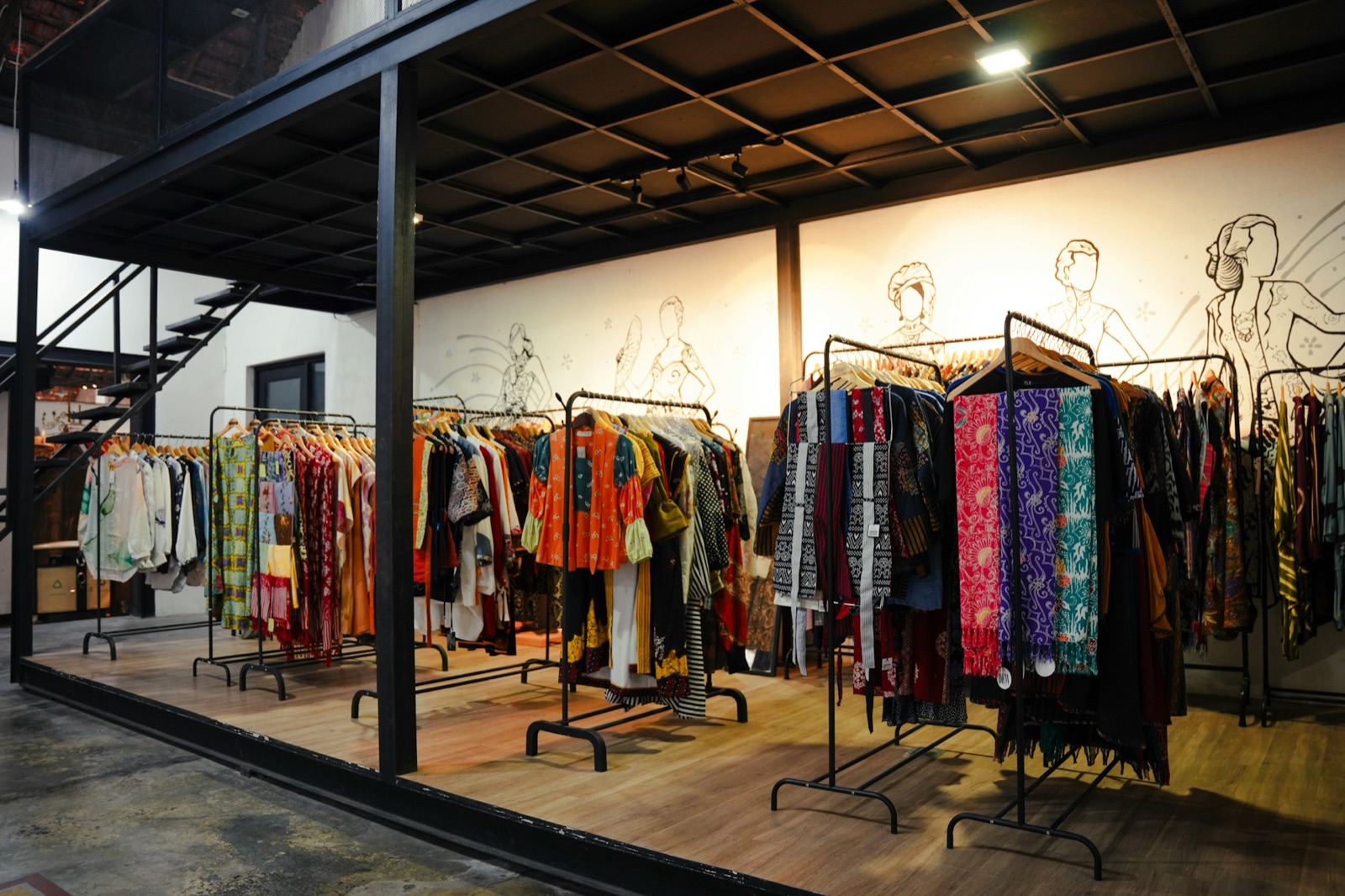
Most retailers treat music as an afterthought and end up either playing it illegally or overpaying for a catalog service. Here is how to get it right in about five minutes.

Grocery Store Music: What to Play and Why It Matters
May 2026 · 5 min read
Grocery is where tempo-driven music research lands hardest. Milliman ran the landmark study in a supermarket. Slower music means slower shoppers, and slower shoppers spend 38% more.
What Is AI Music for Retail Stores?
May 2026 · 8 min read
A definitive read on the category as of 2026. What it is, what it actually does, what it costs, and how it differs from the catalog music every store has been running for 30 years.

Retail Conversion Rate: The Five Levers
May 2026 · 7 min read
Five levers move retail conversion. Why one is consistently undershot, what the Saturday floor walk reveals, and a two-week test for the binding constraint.

Why Customers Don't Come Back to Your Store
May 2026 · 8 min read
Six reasons customers don't return, why most operators fix the wrong one, and a two-week test against the repeat-customer data already in your POS.

How to Compete with Online Shopping in Retail
May 2026 · 8 min read
Six advantages your retail store has that online shopping can't replicate. How to make each one obvious to a customer who could have stayed home.

Why Customers Leave Your Store Without Buying
May 2026 · 8 min read
Six exit patterns explain most retail walk-outs. The one you're losing customers to is probably not the one you're fixing.

How to Increase Average Order Value in Retail
May 2026 · 7 min read
Five levers move retail AOV. Why operators underweight the cheapest one, and what 33 years of wine-shop research says about price acceptance.
How to Increase Dwell Time in Retail Stores
May 2026 · 7 min read
Five levers that actually move dwell, why most operators undershoot the easiest one, and a two-week test you can run on your own floor.

Music Strategy for the One-Store Brand
May 2026 · 6 min read
Most retail music writing assumes a fleet. Here is what actually changes when you run one store — and where the smaller footprint helps.

How Your Playlist Is Tanking Retail Dwell Time
May 2026 · 4 min read
A song looped the word “leave” thirty times in a thrift store and shoppers drifted toward the exit. Filtering lyrics won’t fix this — most dwell time loss is below the lyric level.

What Jazz Musicians Hear That Spotify Can’t Tag
April 2026 · 4 min read
Genre and tempo are the surface. A trained musician hears harmonic density, voice leading, and rhythmic feel — the variables that actually change how customers behave in your store.

'Tis the Season (For the Same 40 Songs)
April 2026 · 3 min read
The customer hears “All I Want for Christmas Is You” once during a 30-minute trip. The employee who opened at 7am has heard it four times by lunch. Nobody designs for both audiences.
The Playlist Era and the Open Loop
April 2026 · 4 min read
In 2013 the Muzak brand was retired. The playlist era that replaced it solved curation and licensing. It never solved measurement. The loop has been open for a century.

Closing the Loop
April 2026 · 4 min read
Every era of retail music — Muzak, the radio, live pianists, playlist services — discovered that sound changes behavior. Every era operated without connecting the music to the outcome.

The Sound of Nothing
April 2026 · 4 min read
Costco's silence is a deliberate brand choice. Most retail silence is just a broken speaker nobody fixed. The difference is everything.

The Nightclub on the Sales Floor
April 2026 · 4 min read
Abercrombie & Fitch ran their stores at 90 decibels on purpose. Every store's music selects for an audience. Most just don't know it's happening.
The Wine Aisle
April 2026 · 4 min read
French music sold French wine. German music sold German wine. The shoppers had no idea. Associative priming is the layer below tempo — and nobody's using it.

The Supermarket Study
April 2026 · 4 min read
In 1982, Ronald Milliman proved slow-tempo music increases retail spending by 38%. Six hundred citations later, almost no one has implemented it.

The Pianist in the Store
April 2026 · 4 min read
Nordstrom had live pianists in 75% of its stores by 1985. By 2020, they were gone — and with them, the only retail music that ever adapted to the room in real time.
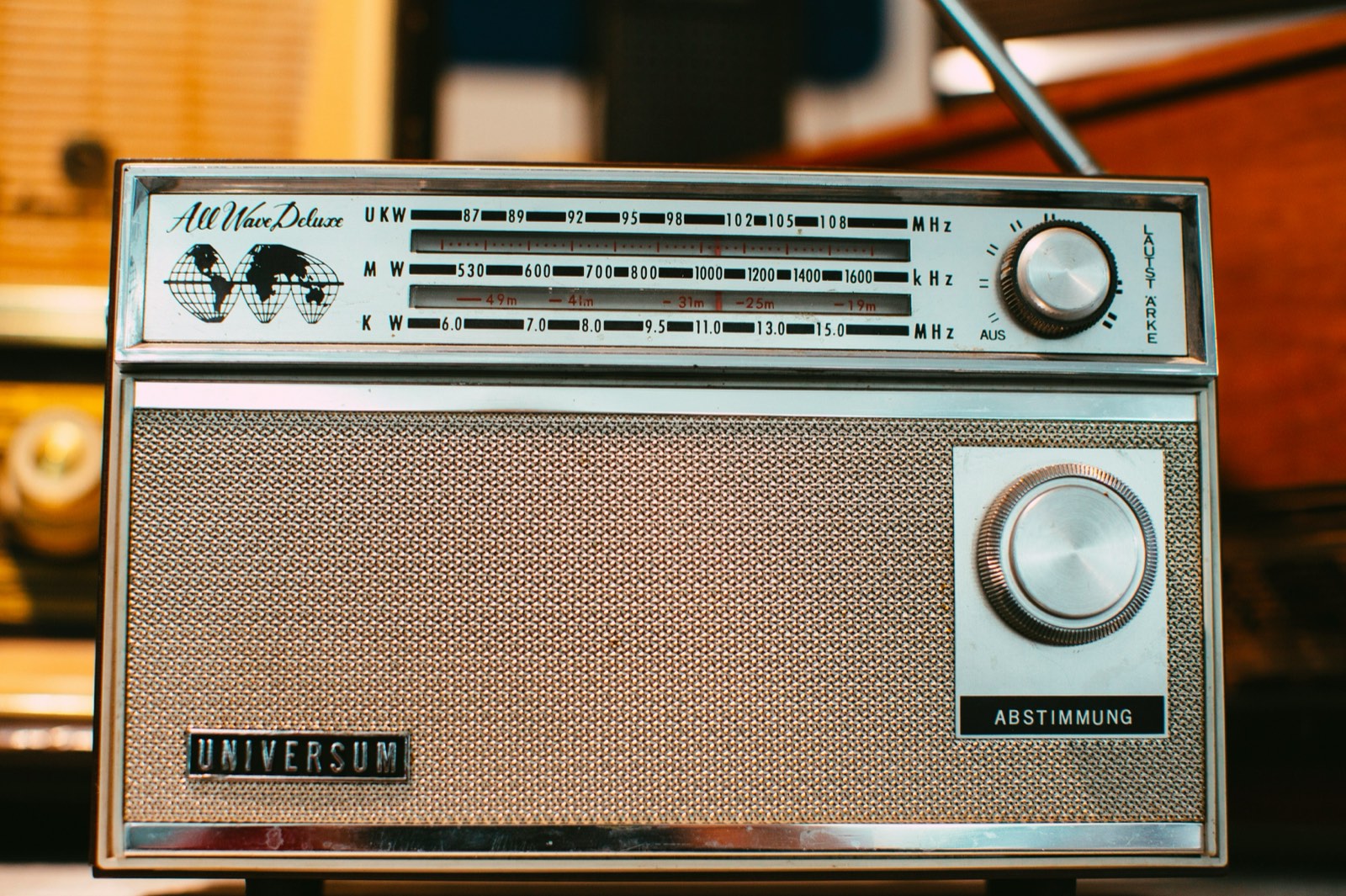
Turning On the Radio
April 2026 · 4 min read
When shop owners turned off Muzak and flipped on the radio, they got free music — and someone else's ads, someone else's opinions, and a DJ who'd never walked their floor.
The Composer Who Wanted You to Ignore Him
April 2026 · 4 min read
Erik Satie invented furniture music in 1917. His first public performance failed because the audience wouldn't stop listening.

The Organ in the Department Store
April 2026 · 4 min read
John Wanamaker installed the world's largest pipe organ in his Philadelphia store and played it twice a day for over a century. He knew sound shaped the room. He just couldn't measure it.

The General and the Wire
April 2026 · 4 min read
Muzak was the first company to treat background music as a controlled variable with a measurable outcome. The instinct was right. The connection never closed.
Your Music Is Already Talking to Your Customers. The Question Is What It's Saying.
April 2026 · 4 min read
Every track on your store playlist is setting the customer's emotional state before your sales associate says a word. The three songs your team is constantly rowing against.

Your Store Deserves a Score, Not a Playlist
April 2026 · 4 min read
A thirty-second commercial score is engineered to the frame. Retail has always been handed a playlist instead. Generative audio is what finally closes that gap.

How to Get Out of a Mood Media Contract
April 2026 · 5 min read
A practical walkthrough for operators with an auto-renewing contract. What to look for in the paperwork, when to give notice, and how to exit without breach.
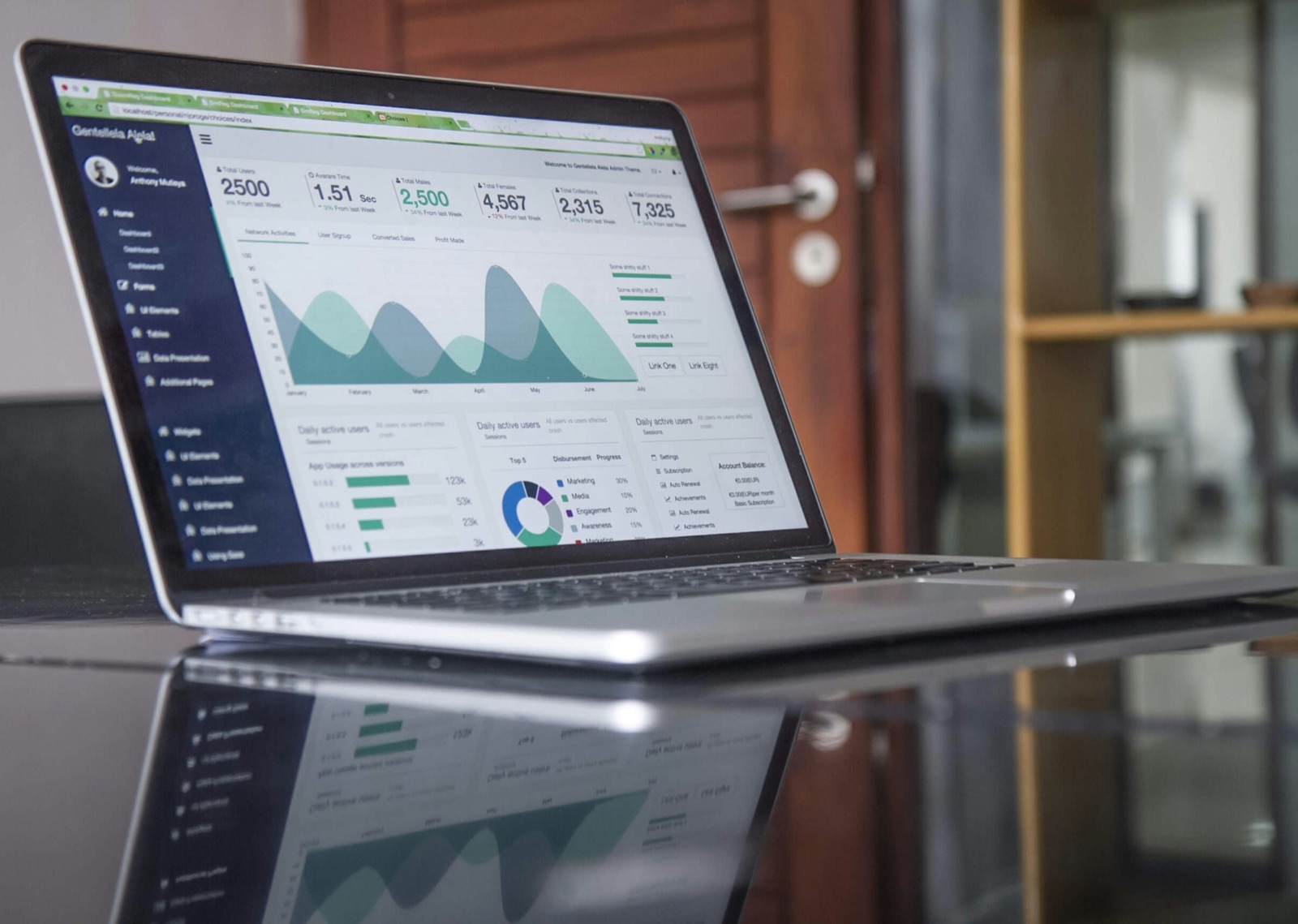
What to Ask Your Music Vendor at the Next QBR
April 2026 · 5 min read
Ten questions a VP of Retail Ops should put to the music vendor at the next quarterly review. Half of them will not have answers. That is the information you need.

Tuesday vs. Saturday Traffic: What Your Data Actually Says
April 2026 · 4 min read
The two days look like different stores. They often are. What the Tuesday-Saturday gap reveals about your customer mix and what to do about it.

Mall vs. Street: Making the Same Brand Feel Right in Both
April 2026 · 5 min read
The same merchandise, the same signage, and a completely different customer. What multi-location operators get wrong about keeping brand coherence across formats.

Is It Actually Illegal to Use Spotify in My Store?
April 2026 · 5 min read
A clean answer for retail operators who just want to know if the Spotify account their store manager set up is going to bite them.

How Much Does In-Store Music Actually Cost?
April 2026 · 5 min read
The subscription fee is the number people know. The total bill is bigger, and it sits on nobody's desk.

Music for Boutiques: What Should Your Store Actually Sound Like?
April 2026 · 5 min read
Most boutique owners pick music the way they pick lunch. The research says that's costing them customers.

Best Background Music for Retail Stores (2026)
April 2026 · 6 min read
Every store plays music. Almost none of them know whether it is helping or hurting. Here is what to look for, what to avoid, and what the legally safe options actually are.
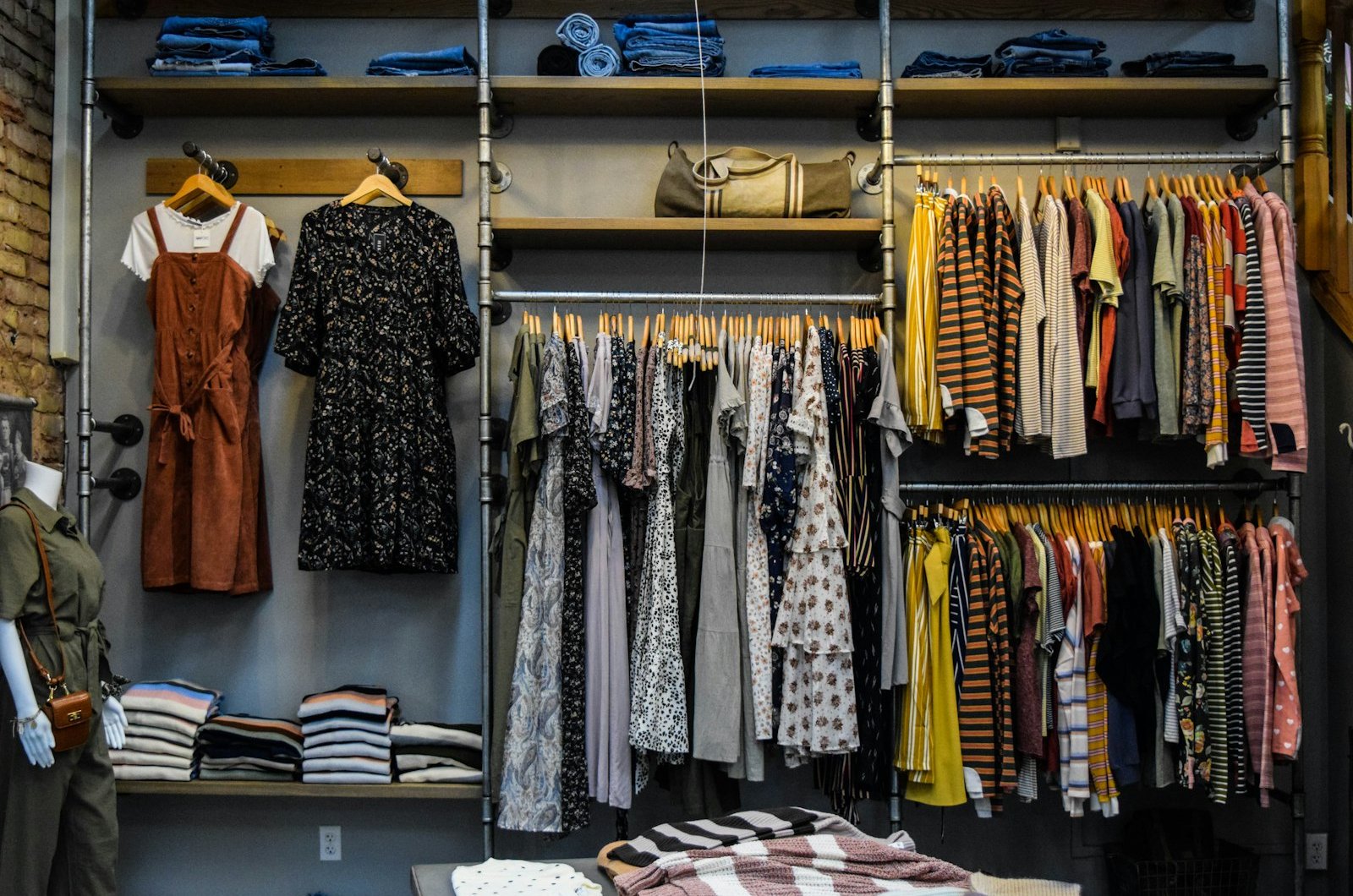
How to Choose Music for Your Retail Store
April 2026 · 11 min read
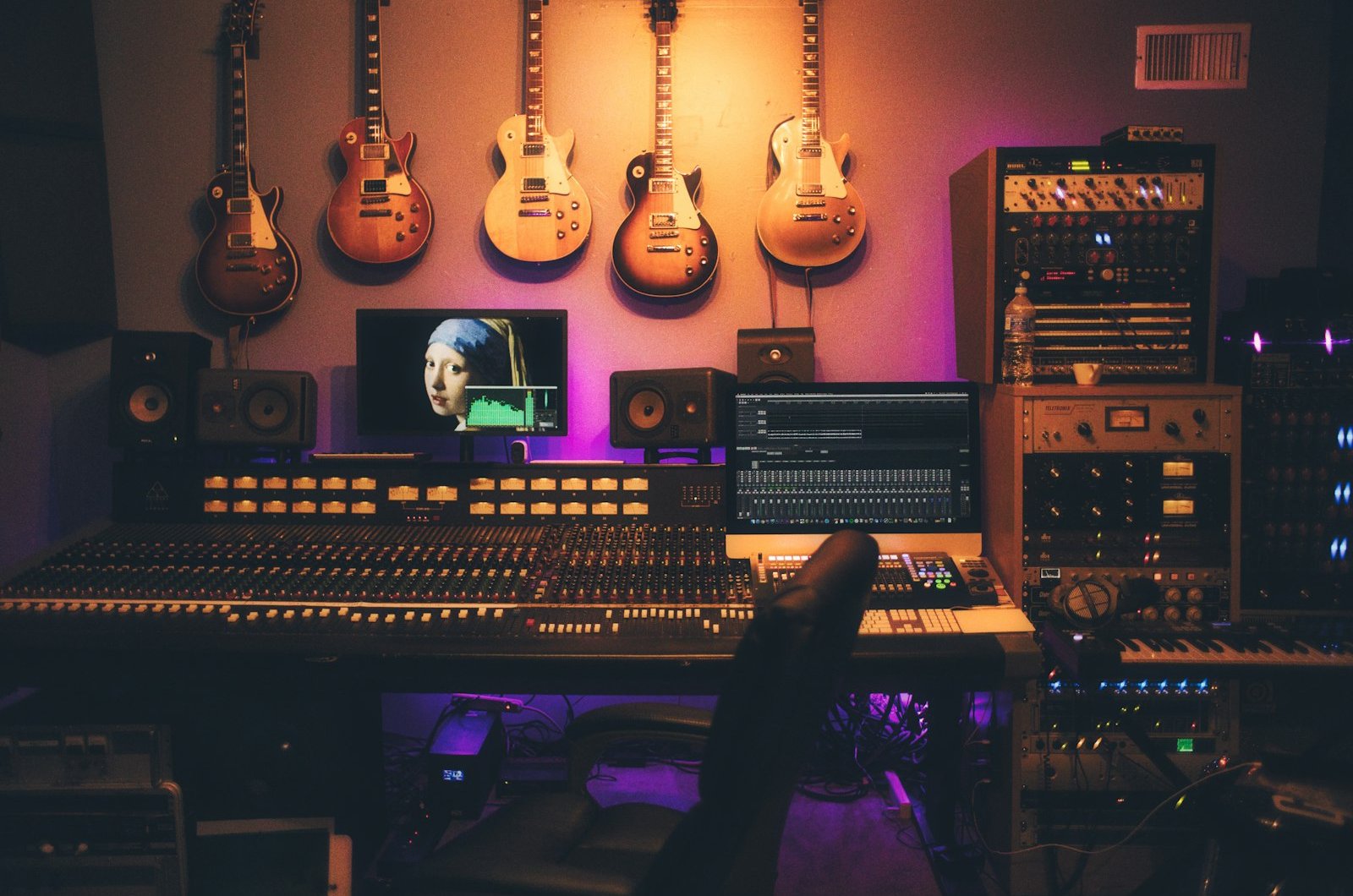
Alternatives to Mood Media in 2026: Commercial Music Services Compared
April 2026 · 6 min read
A retail operator's comparison of Mood Media, Soundtrack Your Brand, Cloud Cover, SiriusXM, and the newer AI-original category. Pricing, contracts, and what each one can and cannot tell you about your stores.

What Music to Play in a High-End Store
April 2026 · 4 min read
Classical music moved wine shoppers toward more expensive bottles in the Areni and Kim study. What your store sounds like is shaping what your customers are willing to spend.

Multi-Location Music Licensing: What Chain Operators Need to Know
April 2026 · 5 min read
ASCAP, BMI, SESAC across every door. What licenses a chain needs, what they cost per store, and the question most operators never ask their music vendor.
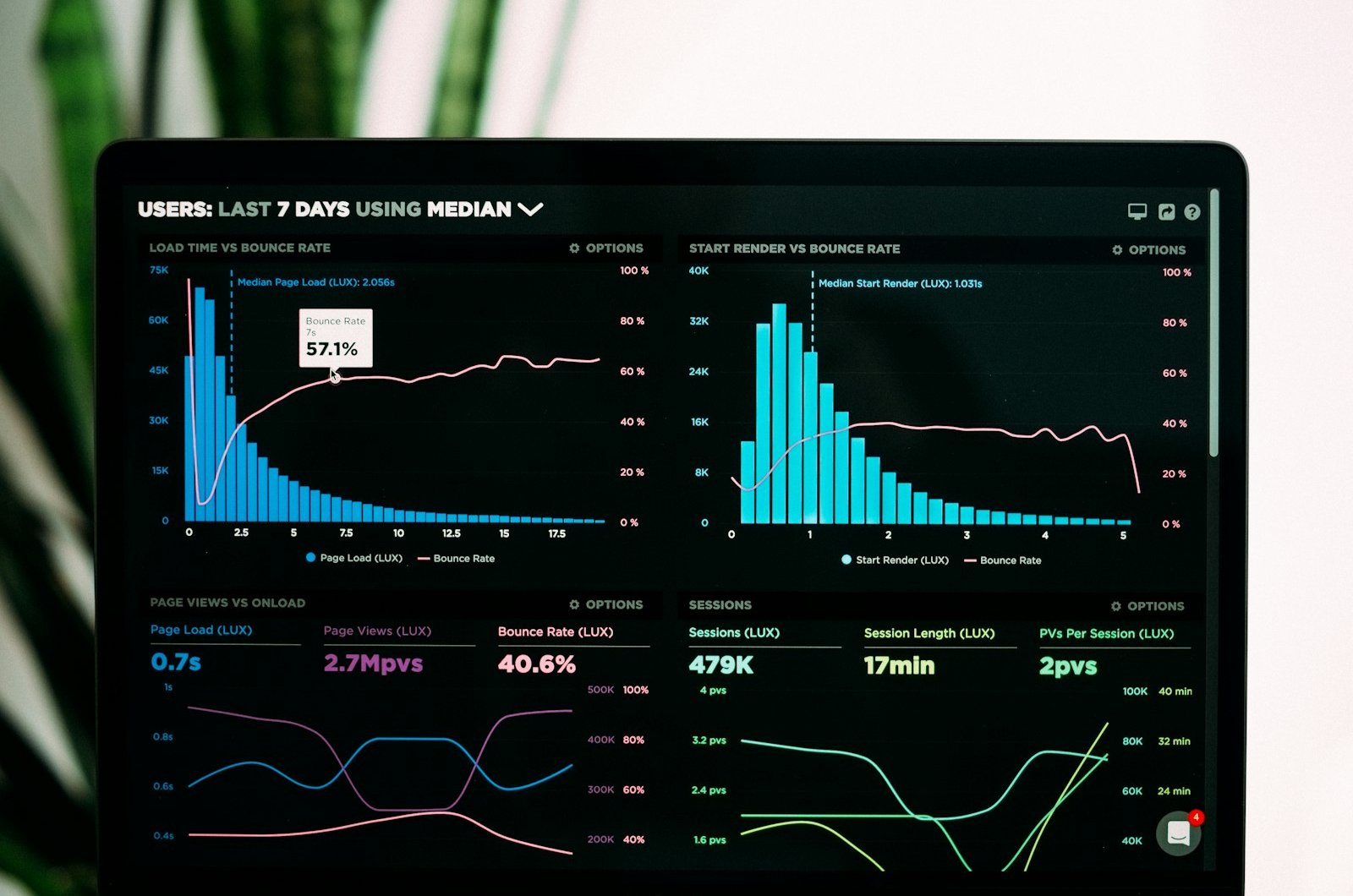
How to Measure If Your Store Music Is Working
April 2026 · 5 min read
A short operator audit for telling whether the music in your stores is pulling its weight or costing you sales.
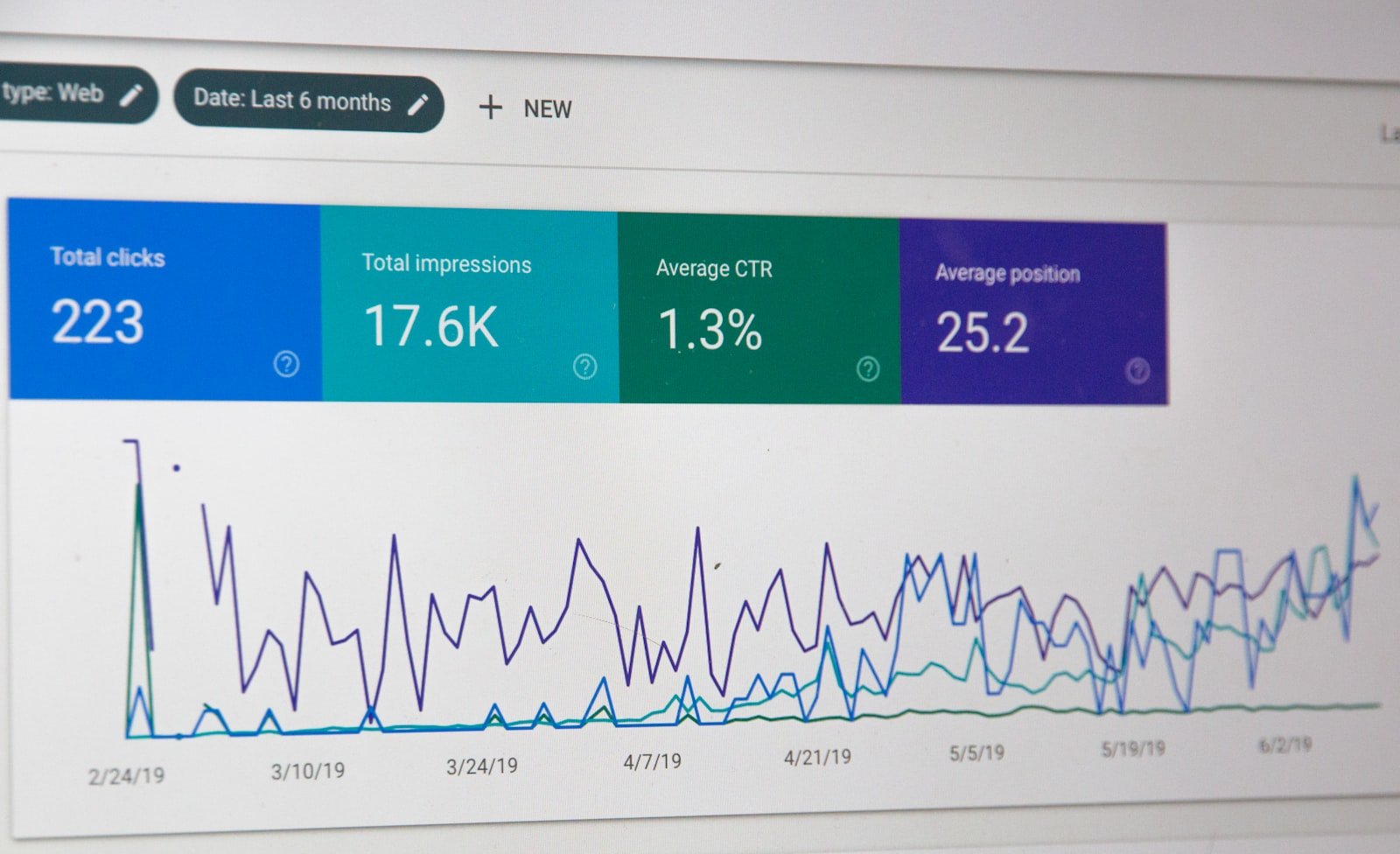
How to Make Your Store Sound Premium
April 2026 · 4 min read
Luxury brands don't play better playlists. They treat audio like they treat lighting, fixtures, and scent: as a design decision with measurable consequences.

Music for Home Goods Stores
April 2026 · 5 min read
Your home goods customers are doing something different from apparel shoppers. Most stores ignore that completely.

Multi-Location Music: Why Every Store Sounds Different
April 2026 · 5 min read
Ten locations, ten managers, ten soundtracks.
Audio Advertising vs. Audio Strategy
April 2026 · 5 min read
QSIC sells ads through your speakers. Audio strategy uses music to sell your products. Know the difference.
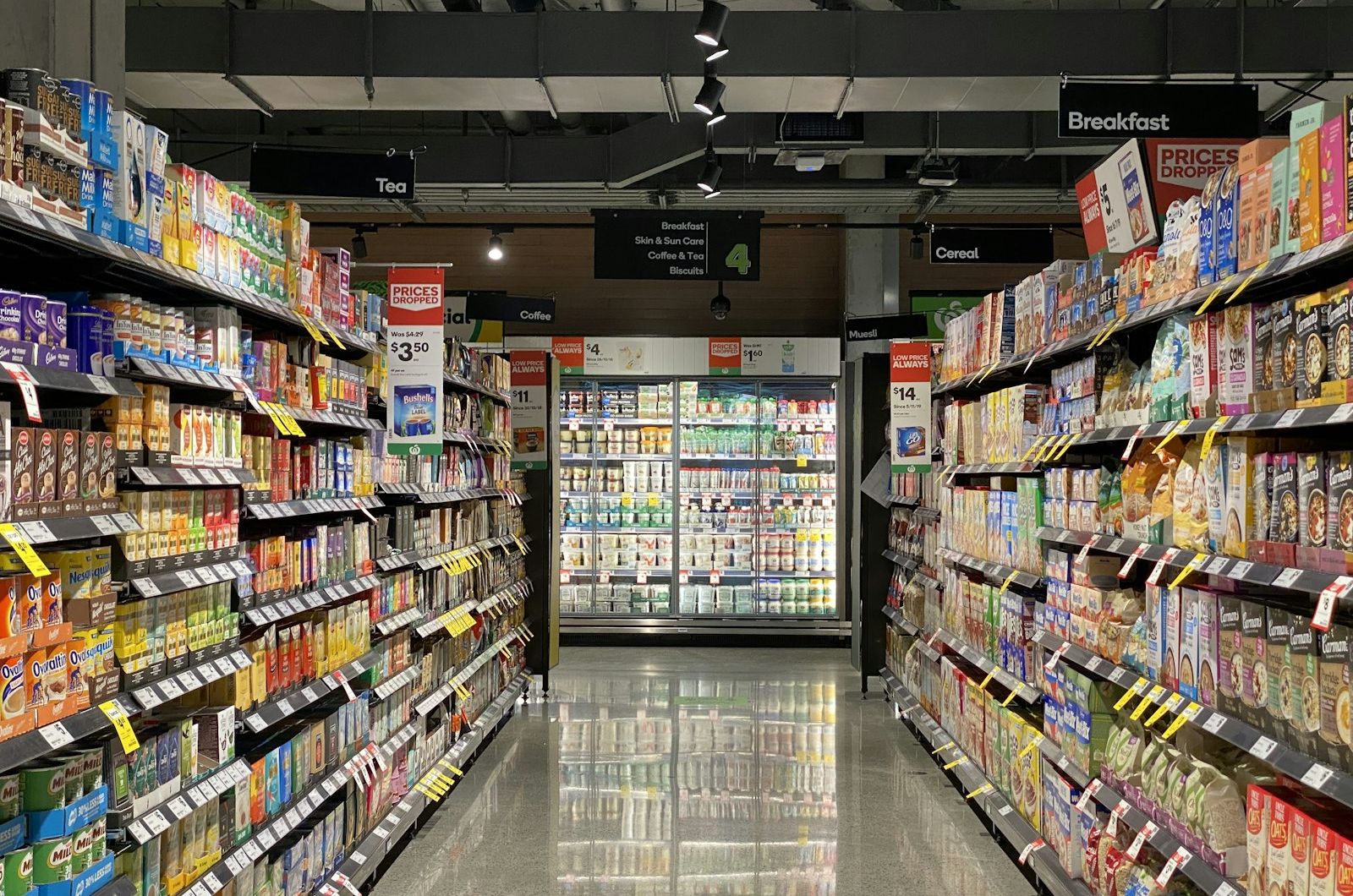
The Audio Gap in Retail Customer Experience
April 2026 · 5 min read
You signed off on six figures of lighting. You signed off on a $35 a month music subscription. The customer hears both.

Sensory Marketing for Retail: Where Sound Fits in the Strategy
April 2026 · 4 min read
Scent and lighting get dedicated budgets. Sound gets a playlist.

AI Music for Business in 2026: What Works
April 2026 · 5 min read
AI music generation crossed the commercial quality threshold in late 2025. Three things changed for retailers who pay attention to what plays in their stores.

Retail Designed Everything Except the Most Powerful Thing
April 2026 · 4 min read
Every surface, fixture, and light in a well-run store is a deliberate choice. Then the music comes on.

The Difference Between Art and Design
April 2026 · 5 min read
Art is craft for self-expression. Design is craft for an intended outcome. Retail music is a design problem nobody had solved.

Why I Went Back to Folding Shirts
April 2026 · 4 min read
A hiring sign at Park Meadows Mall led to a retail floor job, a wrong playlist, and a question that became Entuned.
What a Producer Hears That You Don't
April 2026 · 5 min read
Your store manager has heard the playlist so many times they've stopped noticing what's wrong. The customer walks in fresh.

Welcoming Mrinmayi Katti to Entuned
April 2026 · 2 min read
Mrinmayi joins Entuned to lead data science work. The right person reached out at the right time.

Song Selection Is Not Music Strategy
April 2026 · 3 min read
Every song carries its cultural baggage into your store. Music strategy starts with the outcome, not the playlist.
Every Song Is Either Working Or It Isn't
April 2026 · 4 min read
Your store plays hundreds of tracks a week. Some of them are helping. Some of them are costing you money. The difference matters more than most operators think.
Featured
Nobody Read the Lyrics
March 2026 · 4 min read
Every song on your in-store playlist was written for a different reason than why it is playing. Sometimes that reason is one you would never put on a wall.

The Store-Level KPI You're Not Tracking Yet
April 2026 · 5 min read
Most operators track sales, traffic, and conversion. The stores that pull ahead of their peers track one more thing, and it's usually something everyone else treats as fixed.
The Second Sale You Already Made
April 2026 · 4 min read
Extending dwell time doesn't just increase spending. It makes the storefront look busier, which draws more foot traffic. It compounds.

The Familiarity Trap
April 2026 · 4 min read
Your customers recognize the playlist. And they leave sooner because of it.
The Store Is Not a Set
April 2026 · 4 min read
Retail experience design borrows from theater. The store could be closer to a jazz ensemble than to a stage play.

Your Music Is Selling Against You
April 2026 · 5 min read
Incongruent music does not just fail to help. It actively reduces willingness to pay.

Sound Check: The Playlist Problem
April 2026 · 5 min read
Personal streaming accounts are illegal in commercial spaces. Employee-picked music serves the staff, not the customer. And the songs everyone recognizes are probably costing you floor time.

Sound Check: The Science You're Already Ignoring
April 2026 · 5 min read
Forty years of field research says your store music changes what customers buy. Most operators have never seen the data.
Music Is a Variable. Start Treating It Like One.
April 2026 · 4 min read
Your lighting has a spec. Your scent has a spec. Your music is whatever the opening manager felt like playing.
Sound Check: How Do You Know If Your Music Is Hurting Sales?
April 2026 · 5 min read
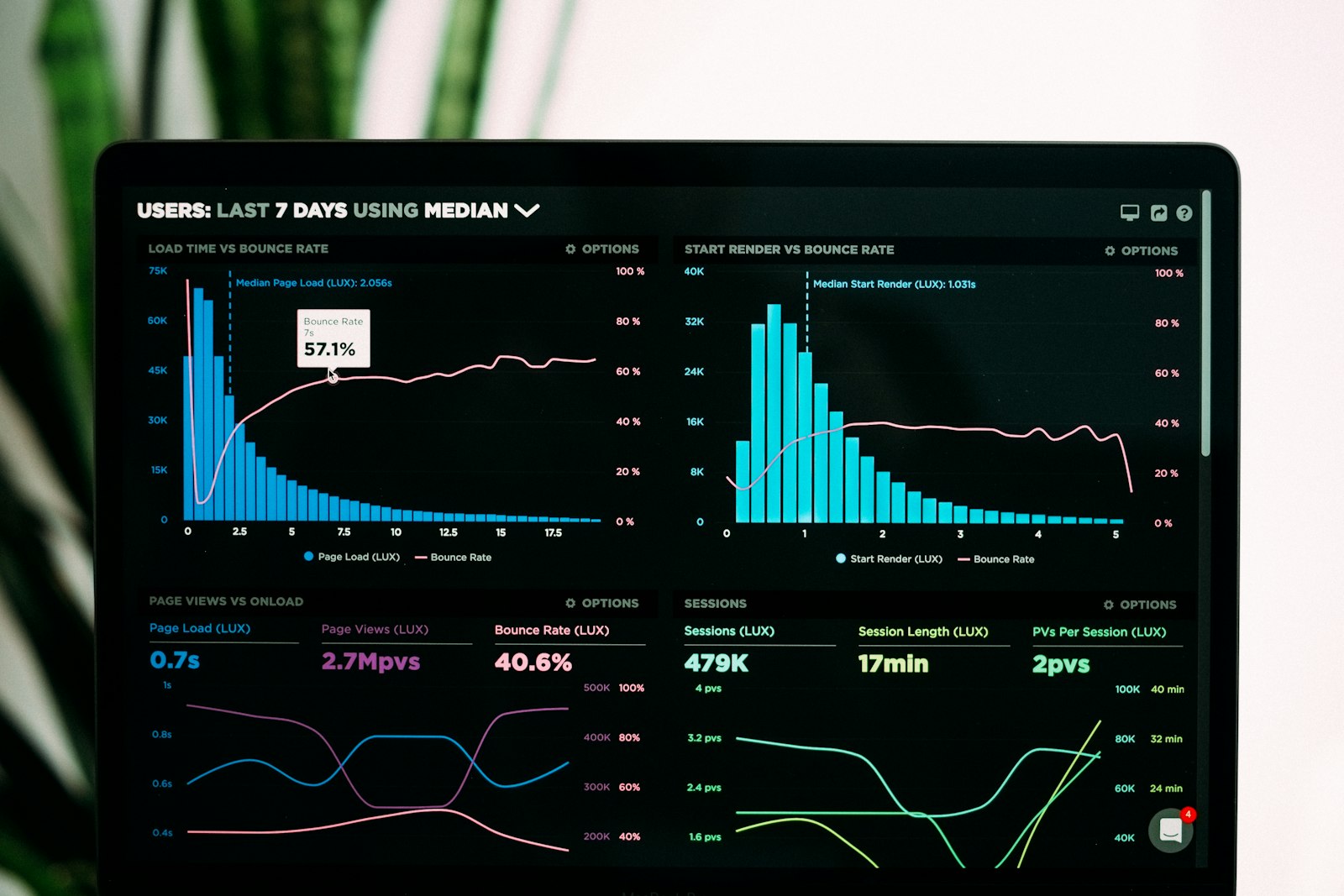
Most retailers track everything about their stores except the one variable playing on repeat for every open hour.
The CFO's Case for Retail Audio
March 2026 · 6 min read
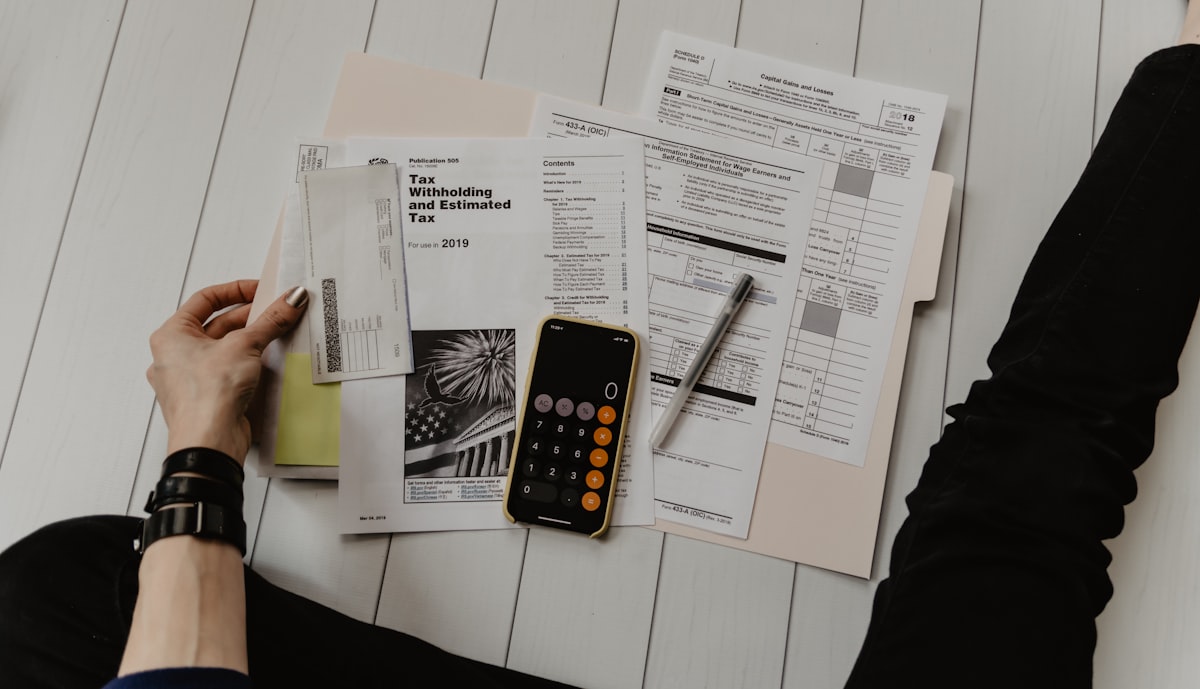
How a finance team should think about a line item for in-store music, what the public research actually supports, and how to test it before committing.

How to Get More Out of the Sensor Data You Already Pay For
March 2026 · 4 min read
Most multi-location retailers pay for traffic counters, zone tracking, and conversion data. Very few use that data to change what actually happens inside the store.
Your Music Provider Doesn't Know What Your Analytics Platform Knows
March 2026 · 4 min read
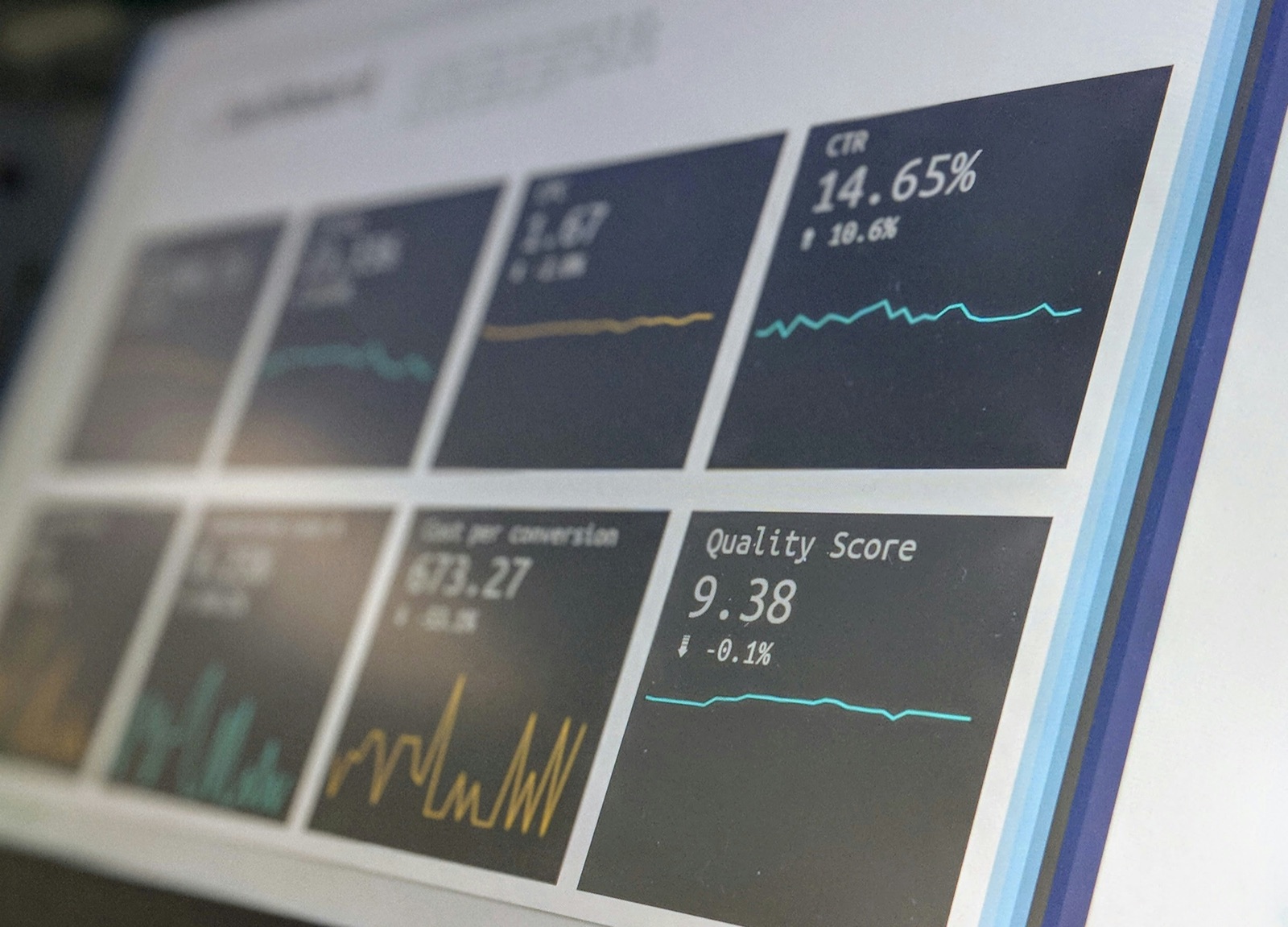
Your analytics vendor and your music vendor share the same store and have never exchanged a single data point. That gap is where unexplained variance lives.

The Battery Ventures Thesis, Extended
March 2026 · 4 min read
Battery Ventures backed RetailNext to build the physical retail data layer. The next logical surface for that thesis is the one nobody has connected yet.
$2 Billion in Sensors. No Real-Time Levers.
March 2026 · 4 min read
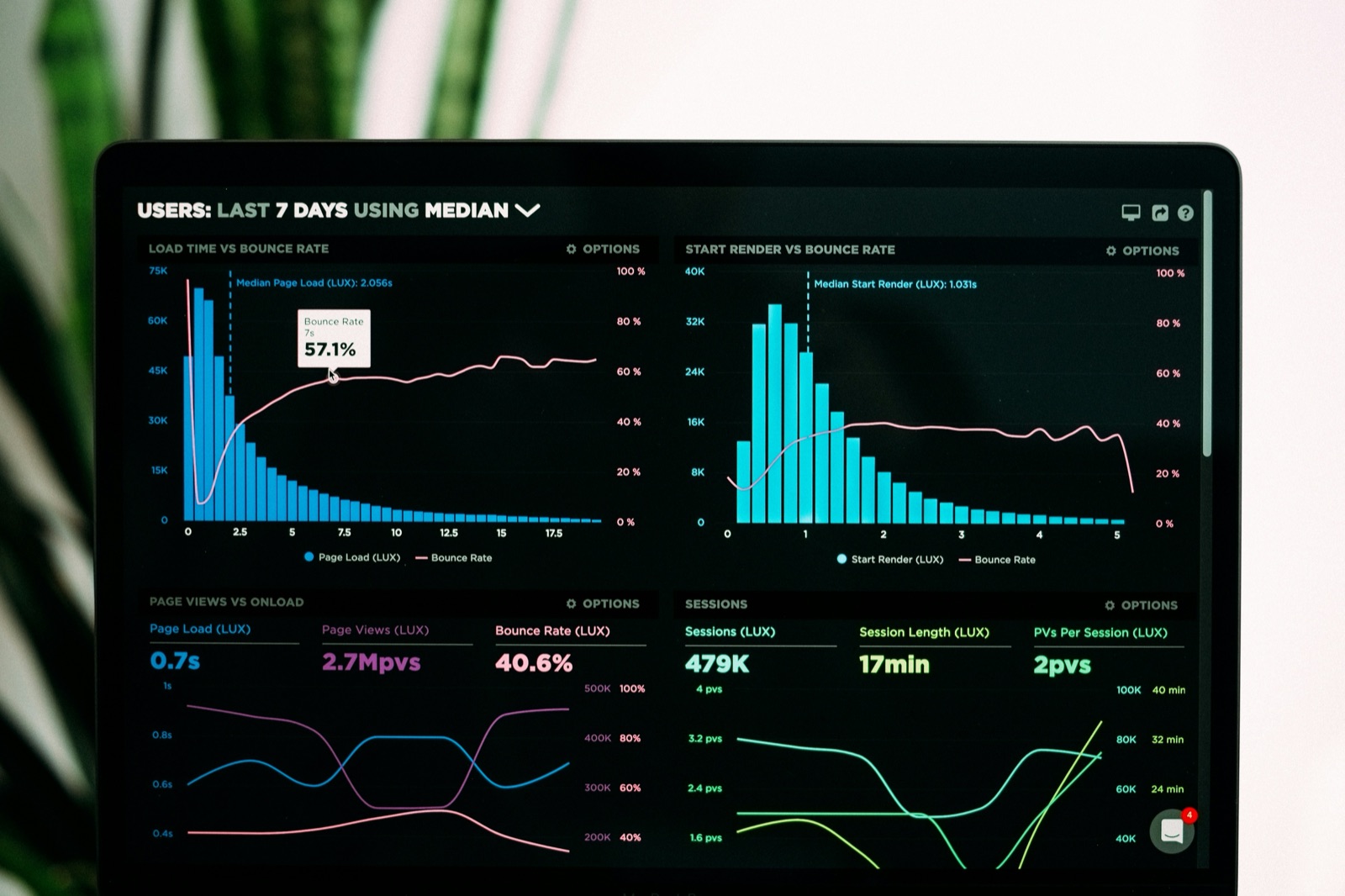
The in-store analytics market is approaching 2 billion dollars. It still cannot tell a retailer what to change in real time.
What Is Entuned?
March 2026 · 4 min read
Original music for retail stores. Measured like every other line item.
Does Your Store's Music Actually Matter?
March 2026 · 4 min read
Most operators assume music is background noise. Four decades of peer-reviewed studies confirm it's a variable that nobody is tracking.

AI vs. Traditional In-Store Music
March 2026 · 4 min read
The in-store music industry has run on the same model since 1934. Generative music changes the options retailers actually have.

Mood Media Alternatives in 2026
March 2026 · 5 min read
A straight look at what the market offers operators who are done with long contracts and flat playlists.
How to Measure the ROI of In-Store Music
March 2026 · 4 min read
Your music is a line item with no return number next to it. Here is why, and what to do about it at your next QBR.

What Your Store Sounds Like in the First 10 Seconds (And Why It Matters)
March 2026 · 6 min read
Customers decide whether to stay or leave before they reach the first rack. Most of that decision has nothing to do with merchandise.

Tempo Controls Bodies, Not Wallets
March 2026 · 4 min read
Slower tempo gets customers to stay longer. That alone does not make them spend more. Here's what operators need to know.

The Milliman Study Is Wrong. Sort Of.
March 2026 · 4 min read
The most cited finding in retail music is 42 years old, from one grocery store. The dwell time effect holds up. The sales number does not.

Major Key Does Not Mean Happy Customer.
March 2026 · 4 min read
The assumption behind most retail playlists is that cheerful music drives sales. Stores that test this find a more complicated answer.

Longer Visits Don't Mean Bigger Receipts
March 2026 · 5 min read
Your dwell time numbers look great. Your average ticket hasn't moved. That gap costs more than most operators realize.
Tempo and Volume Are Free. The Revenue Isn't.
March 2026 · 4 min read
Every retailer already has a volume knob. The part that moves revenue costs money, and most stores never get there.

You Hired a Lighting Designer. Why Not a Sound Designer?
March 2026 · 4 min read
Lighting and sound operate on the same nervous-system mechanisms. The industry treats one as design and the other as a subscription.
What Happens After Ninety Days
March 2026 · 4 min read
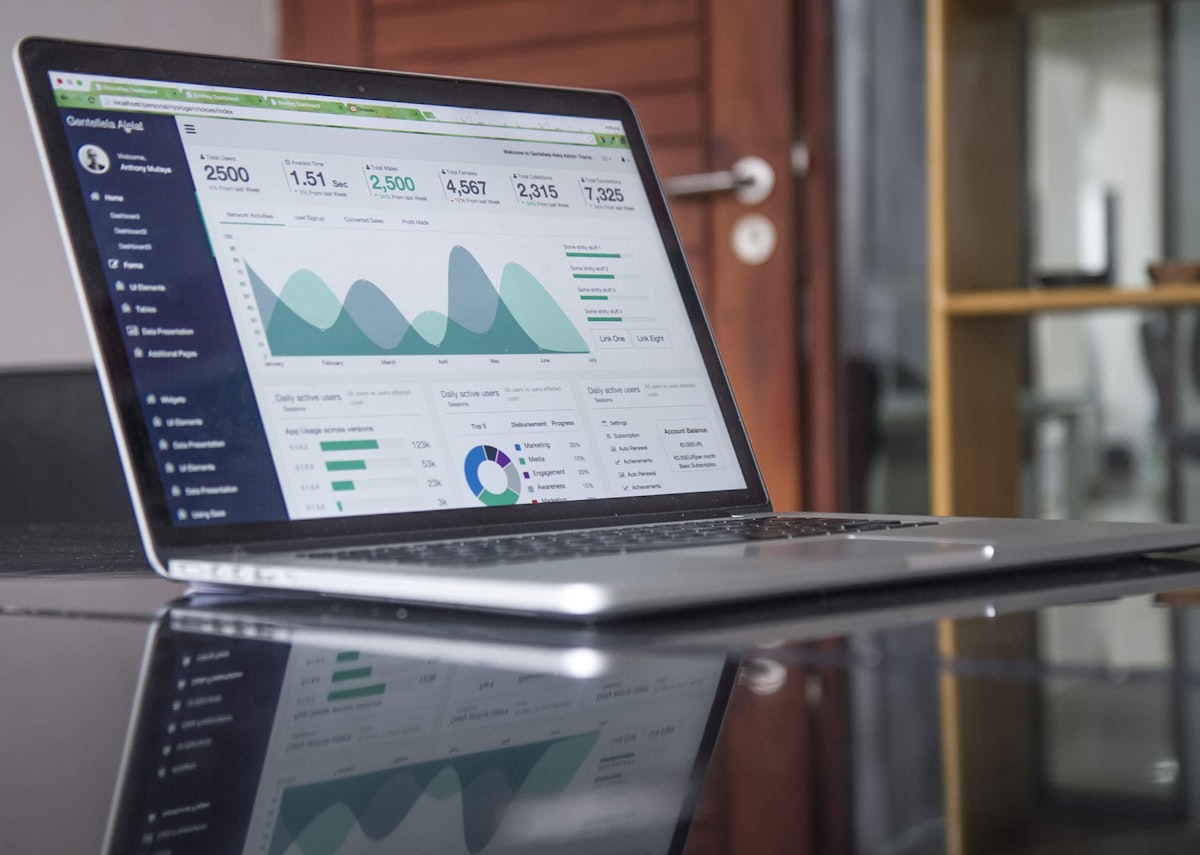
The first week is setup. The first month is noise. By day ninety, the numbers start telling you how music works in your store specifically.
The Store Manager Problem
March 2026 · 4 min read
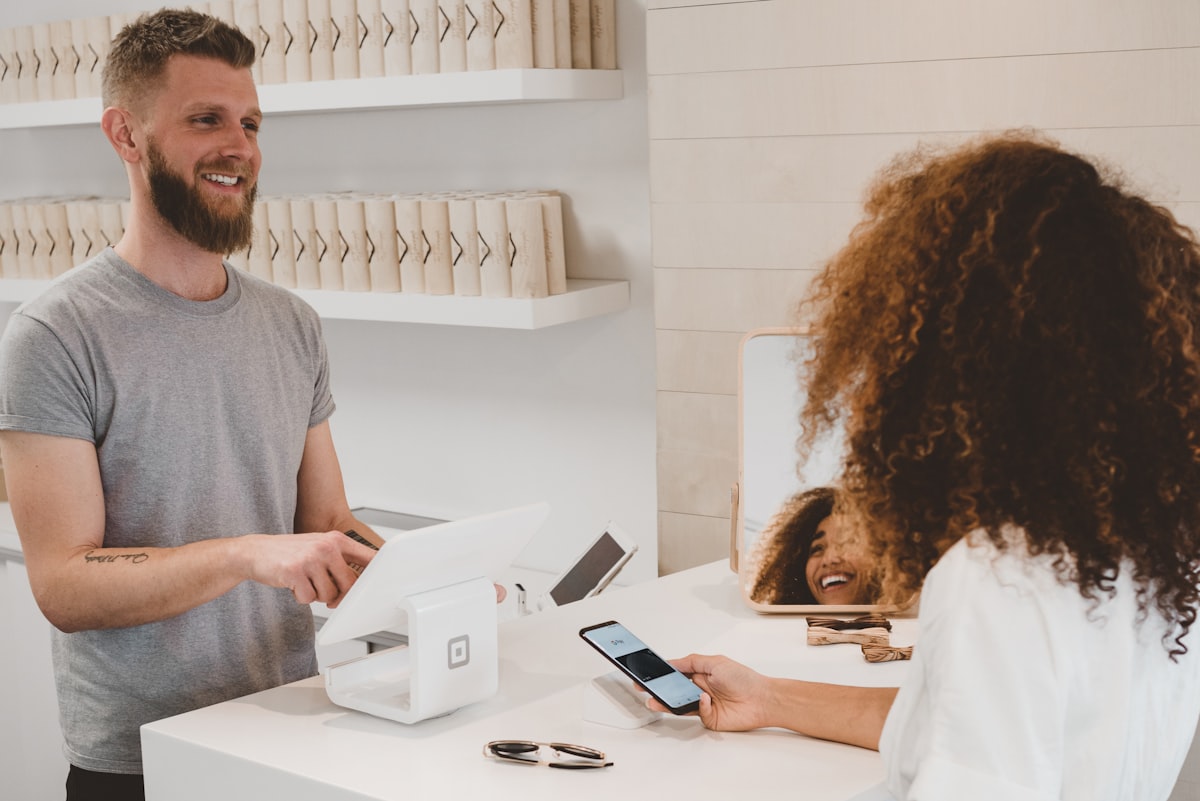
Ten locations means ten managers making independent sonic decisions. The brand sounds like ten different stores.

Why the Next Big Retail Tech Acquisition Will Be in Audio
March 2026 · 4 min read
Retail tech acquisitions follow a pattern. Audio is the surface that has been left out of the stack, and the window to fix that is open now.

How Do I Get My Staff to Stop Turning Off the Music?
March 2026 · 4 min read
Your associates are telling you something when they mute the speakers. Here is what they are saying and what it costs you in the aisle.

No Gaps. No Silence. No Jolt.
March 2026 · 4 min read
Every rough transition between tracks pulls your customer out of the browsing state that drives purchases.
Running Controlled Tests Across Multiple Stores
March 2026 · 5 min read
Most multi-location retailers test new ideas by rolling them out everywhere and hoping. There's a better way.

Your Store Already Has a Mood
March 2026 · 5 min read
Something is playing in every one of your locations right now. Whether anyone chose it with intent is a different question.

The Real Cost of Your Retail Music
March 2026 · 5 min read
The invoice line for store music is the smallest number in this conversation. The interesting number is what bad audio costs you in revenue you never see on any report.
Music Was Never Made For Your Store
March 2026 · 5 min read
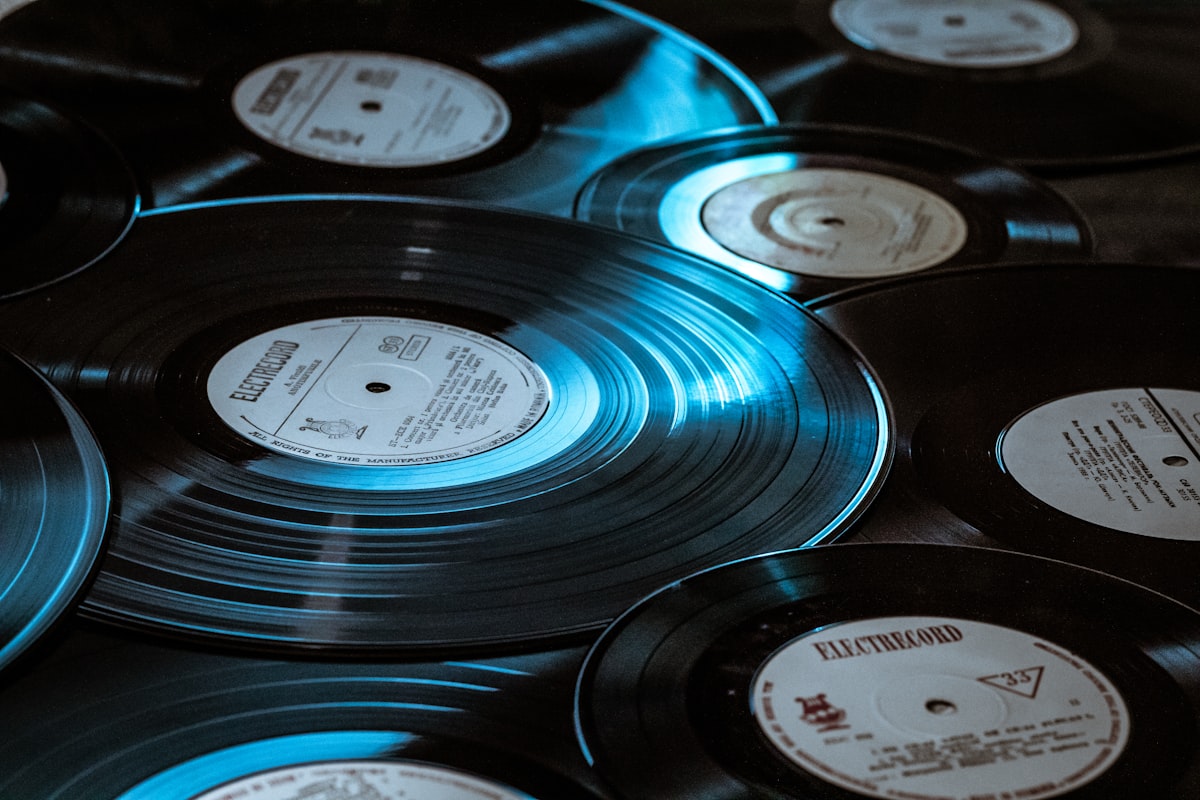
The songs playing in your stores right now were written for something else. Here is how you tell whether that is costing you.

Why Your Store's Background Music Is Costing You Sales
March 2026 · 5 min read
Generic playlists built for retail in general create cognitive friction that shortens visits and suppresses transaction values.

The Science of Tempo in Retail
March 2026 · 4 min read
Tempo is the most studied variable in retail music research. It is also the most misunderstood.

What Kind of Music Should a Store Like Mine Play?
March 2026 · 5 min read
The question every multi-location operator eventually asks. The answer has less to do with genre than most people think.
AI-Generated Music for Retail: What's Real
March 2026 · 4 min read
Generative music crossed the commercial quality threshold in late 2025. Here is what changed for retail and what the hype is still ahead of.

The Margin You're Leaving on the Table
March 2026 · 4 min read
Music matched to your customer's identity raises willingness to pay. No extra traffic, no promotions — just the right music.

Why Your Best Customers Leave Faster Than They Should
March 2026 · 4 min read
Your highest-value shoppers spend less time in your store than your browsers do. Most operators never ask why.

What Churches, Concert Halls, and Film Composers Know That Retail Doesn't
March 2026 · 4 min read
Every serious application of music engineers it for a specific outcome. Retail is the one high-stakes context that never tried.

The Dwell Time Variable Nobody's Tracking
March 2026 · 4 min read
Your audio environment is invisible to your analytics because it never changes. Start treating it as a variable.

What Your Music Is Saying About Your Brand
March 2026 · 3 min read
One incongruent track at the moment of peak purchase intention can undo everything your brand team built.

Luxury Priming Is Real
March 2026 · 3 min read
Customers in a wine store spent more on expensive bottles when the background music changed. The products were identical. The prices were identical. Only the audio was different.

What Happens to Employee Performance When the Music Is Right
March 2026 · 4 min read
Your staff spend eight hours a day inside the audio environment your customers pass through in thirty minutes. When that environment is wrong, your team notices before anyone else.
How Wine Retailers Use Music to Sell Premium Bottles
March 2026 · 4 min read
A 1993 study found that classical music in a wine shop moved customers toward more expensive bottles. Same wine, same prices, different receipts.
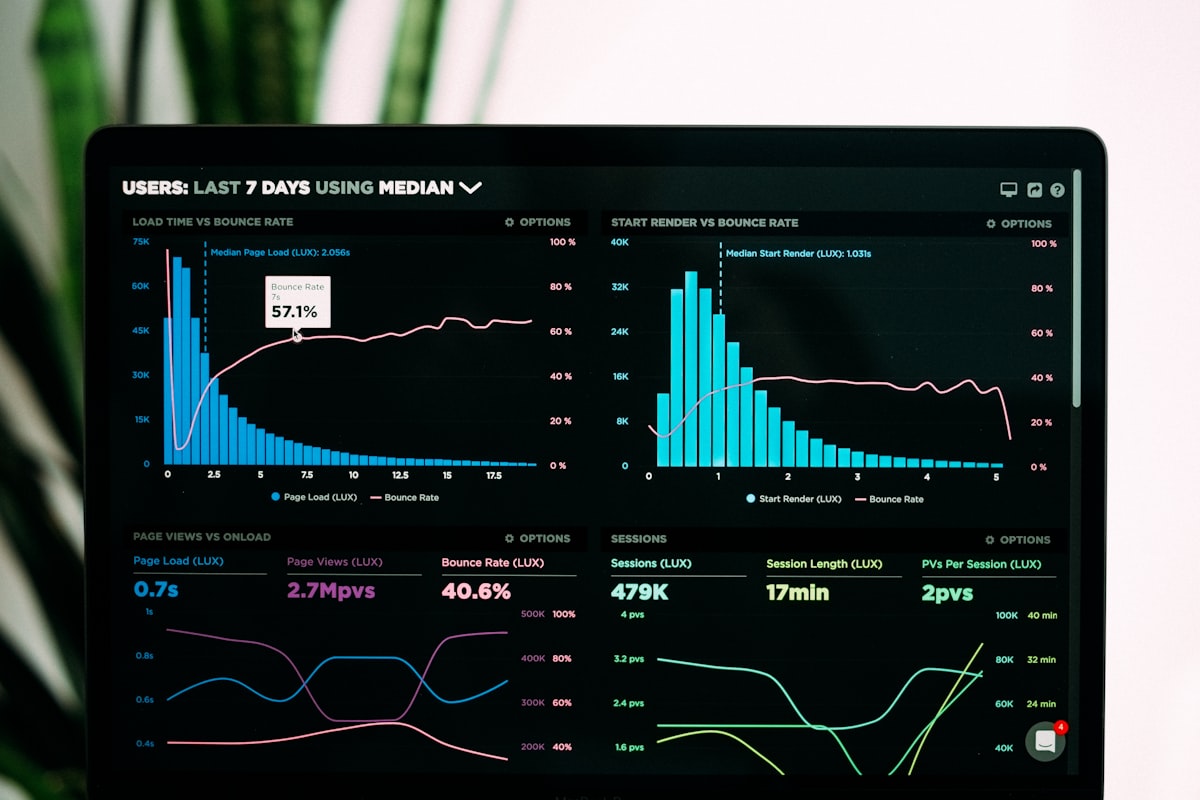
The Metrics Your Audio Environment Should Be Producing
March 2026 · 4 min read
If your audio environment is doing its job, you should be able to see it in four metrics. Most stores have never looked.