Retail tech acquisitions follow a pattern. A startup captures a category of store-level data or builds a response mechanism the incumbents do not have. The tool gets deployed. A larger platform acquires it to add the capability to their stack.
This has happened with foot traffic analytics, heat mapping, POS intelligence, clienteling, inventory sensing, and digital signage. In each case the acquirer was buying something the stack did not have and that customers were already asking for.
Audio is the surface that has not been filled yet.
Why will the next big retail tech acquisition be in audio? #
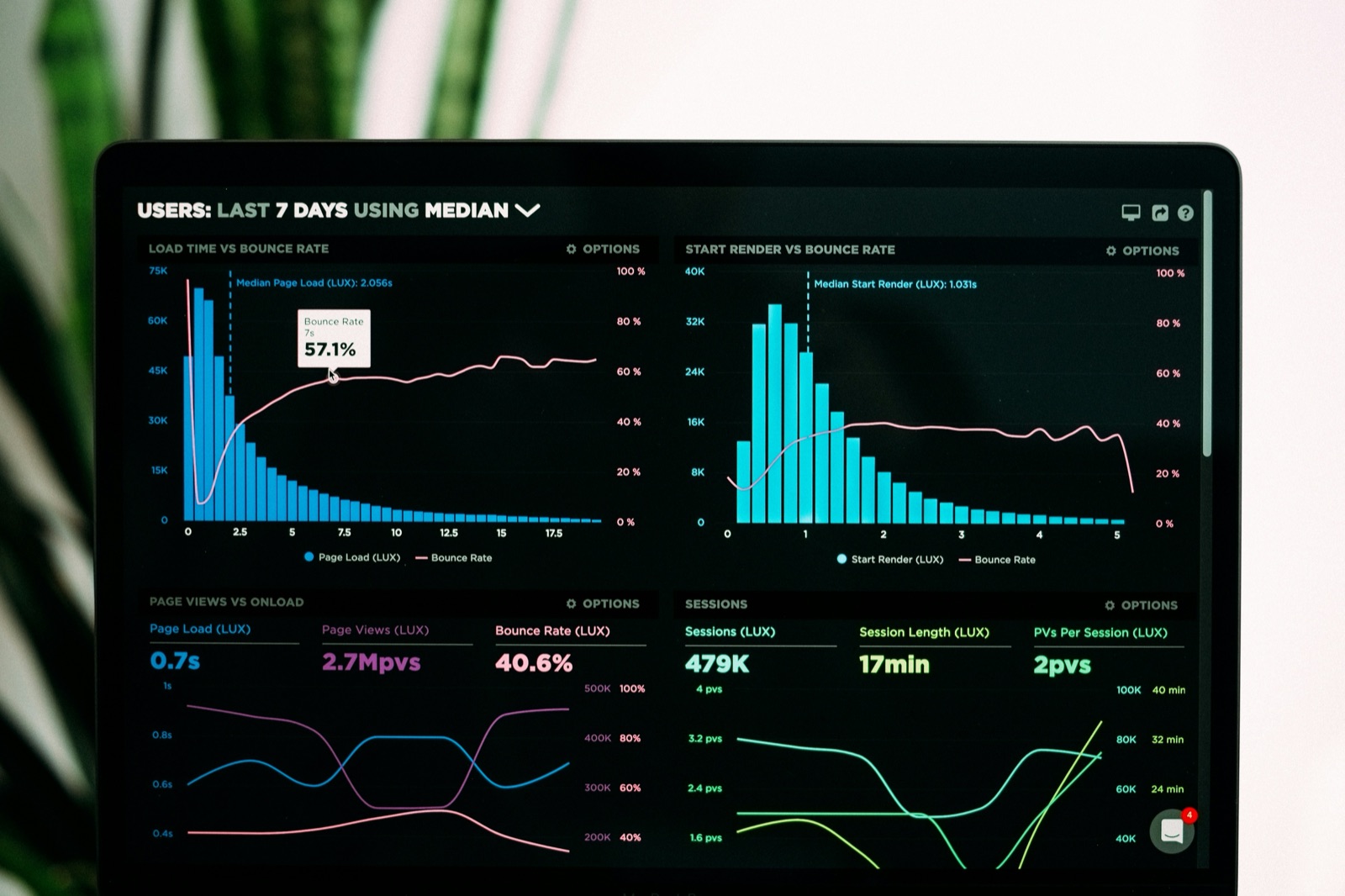
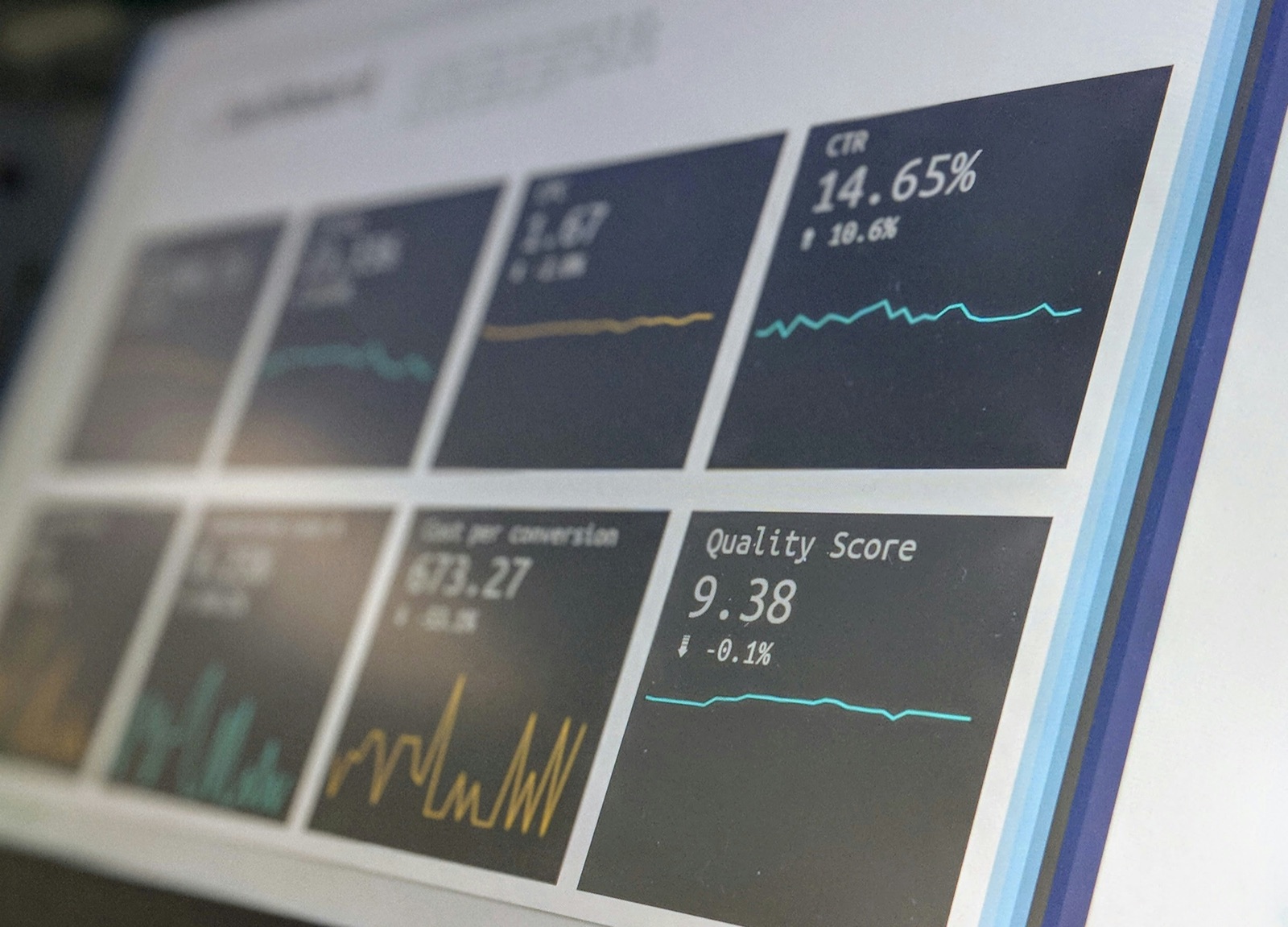
The first is that store-level sensor infrastructure is now deep enough to support correlated analysis. Foot traffic counters, zone sensors, dwell tracking, and POS data are standard in mid-market and large retail. The hardware is in the ceiling. The data is flowing. Most retailers already pay for it.
The second is that generative AI music crossed a commercial quality threshold in late 2025. Producing original music for retail environments is no longer a research demo. It is a deployable product. That shifts the economics and what the music itself can represent on the analytics side.
The third is that the academic literature on music and consumer behavior is deep and broadly replicated, and it has been sitting in journals without a commercial bridge for four decades. Milliman 1982 through the current cohort. The research is there. The operational bridge has not been.
What the incumbents are missing #
The retail tech platforms that operators already pay for (the analytics vendors, the loss prevention vendors, the clienteling vendors) have a visible gap where audio intelligence should be. Their dashboards show everything that happens in the store except what the store sounds like.
Meanwhile the incumbent music vendors sit one procurement channel over, do not integrate with the analytics stack, and do not treat music as data. The two categories have never sat at the same table.
Whoever builds the bridge between those two categories is building something the stack has been missing for a decade.
The retail tech stack is not missing another dashboard. It is missing a response layer for the one environmental variable that changes the moment you change it.
Why the window is open now #
Category dynamics are clear enough that multiple operators and vendors will recognize the opportunity over the next eighteen to thirty-six months. Generative music is no longer behind a research paywall. The analytics layer is mature. Retailers are asking measurement questions about their audio vendors that the catalog business model cannot answer.
That combination typically produces a short window in which one or two companies establish category leadership. The rest catch up by acquisition.
What operators should do with this #
For a multi-location retailer, the practical question is simple. Is the music in your stores something you can measure against the rest of your operational data? If not, that gap will get closed by somebody in the next few years. The question is whether you want to be operating through that transition as a customer who already has measurement running, or as a customer who has to retrofit it after the fact.
The operators who start now have a head start on the learning curve, on the vendor relationships, and on the internal org design that makes audio a measurable line item instead of a subscription nobody owns.
For the broader picture of why retail analytics has a response-layer gap, see why Entuned exists.