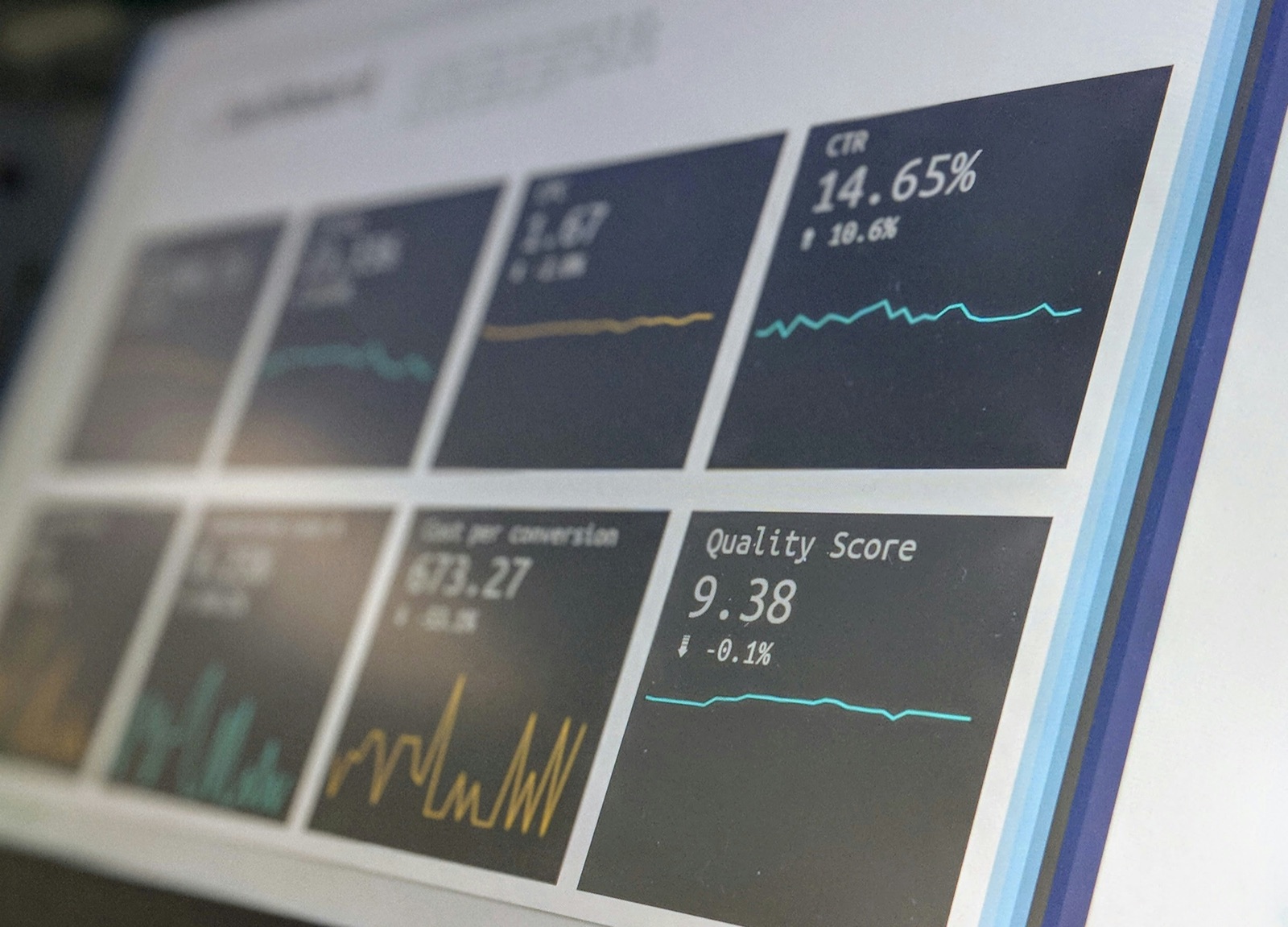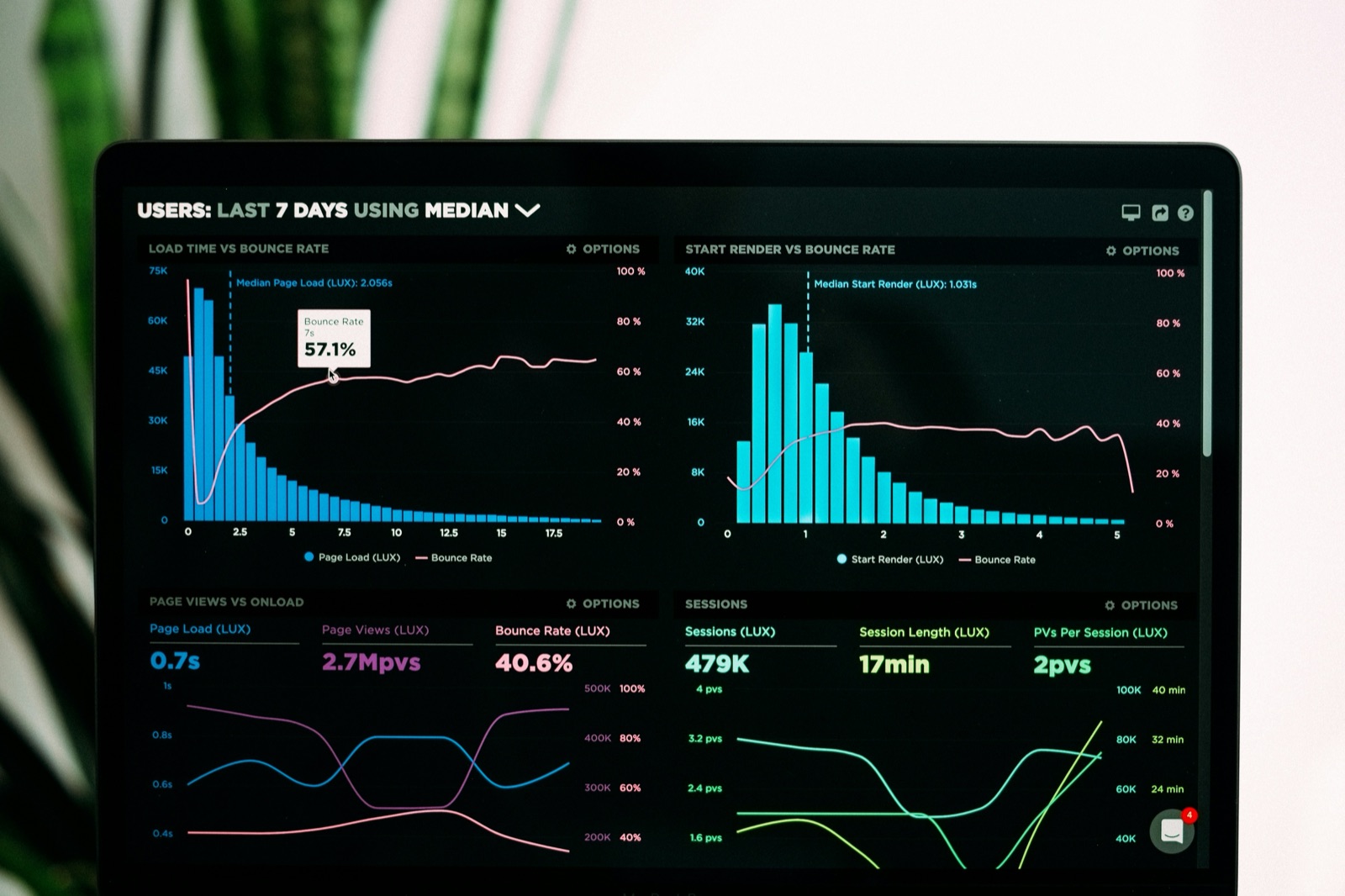
The global in-store analytics market is valued at roughly 1.8 billion dollars and is forecast to grow toward 2.8 billion by 2033. RetailNext, Sensormatic, Standard AI, V-Count, Kepler Analytics, and their competitors have deployed millions of sensors across hundreds of thousands of retail locations worldwide. The measurement layer is mature. The data is clean. The dashboards are dense with signal.
The question that has not been adequately answered is what the retailer does with the signal.
Why don't retail sensors translate into real-time levers? #
A VP of Store Operations opens the analytics dashboard and sees that dwell time in the east wall zone dropped fourteen percent last week. Conversion is flat. Traffic is up slightly. The data is clear. The question it raises is obvious. What do you change.
The available responses are all slow. Remerchandise the fixture: two to six weeks to plan, source, and execute. Retrain the floor staff on engagement in that zone: days, plus the opportunity cost of pulling them from other tasks. Adjust the lighting: a capital expense, assuming the store even has zone-level lighting control. Test a new layout: six weeks minimum to run.
Every intervention a store operator can run against that data requires either a capital expense, a labor reallocation, or a merchandise cycle. By the time the remerchandised fixture is in place, the behavioral pattern that triggered the change may have shifted for entirely different reasons.
The variable nobody is touching #
There is one environmental variable in a retail store that changes the moment you change it. It costs nothing per adjustment. It reaches every person in the space simultaneously. It has decades of research connecting it to walking speed, dwell time, mood, perceived quality, and purchase behavior.
It is the sound. And in most retail environments, the sound is controlled by a playlist someone chose months ago based on personal taste, or a licensed feed from a provider whose product is songs, not outcomes.
The measurement platforms built the instrument. The response layer has been missing the whole time.
Why the gap persists #
The measurement platforms did not build audio capability because they are sensor companies. Their expertise is in capturing and analyzing data, not in sound. The music providers did not build measurement capability because they are catalog companies. Their expertise is in licensing and curating songs, not in correlating what plays in the store with what happens in the numbers.
Each side of the gap has a clear reason for not crossing it. The result is that the gap persists. The retailer sits in the middle, paying for analytics that tell them what happened and paying for music that is unrelated to what happened. Two vendor relationships, one physical space, zero data connection.
What operators should do this quarter #
Pull the last ninety days of analytics data for three of your stores. Identify the hours where conversion or dwell moved without an obvious cause. Traffic was present. Staffing was fine. Nothing on the floor changed.
Now ask your team: of everything we control inside those stores, what could have been different at that hour in a way that affected behavior? For most retailers, the honest answer is that the only variable that could plausibly have been different on that timescale is the audio, and nobody has been paying attention to what it is doing.
That is a gap every multi-location retailer now has on their dashboard. Naming it is the first step toward closing it.
This gap sits at the center of the category Entuned was built to address.