Walk into one of your stores on a Tuesday afternoon. Stand near the fitting rooms for five minutes. Listen.
Whatever is playing right now has been playing in some version for months, maybe years. Same provider, same genre bucket, same volume knob setting. Nobody chose it for this store, this neighborhood, this customer. Nobody is tracking whether it does anything.
That is the norm across multi-location retail. The audio environment is treated as a fixed cost, a box that got checked during buildout. The monthly invoice goes to accounts payable. Nobody in operations ever asks what the spend produces.
Meanwhile, every other variable in the store gets scrutinized. Visual merchandising gets refreshed seasonally. Lighting gets audited. Staffing ratios get modeled against traffic patterns. The music just sits there, unchanged, unmeasured.
What metrics should your store audio actually produce? #
Operators who have started treating audio as an active variable, rather than a background constant, report movement in four areas of store performance.
The first is dwell time. Customers stay longer or leave sooner depending on how the space feels. Audio is a major component of that feeling. Dwell time is also the most accessible number for most retailers because traffic-counting infrastructure already captures it. If you change your audio and nothing else, dwell time is where you will see it first.
The second is average transaction value. Published research going back to the early 1990s, including work by Areni and Kim, has demonstrated that the right music in a retail environment correlates with higher spending per visit. The effect is real and has been replicated across categories. Most operators have never isolated their audio variable to see whether their own stores show the same pattern.
The third is conversion rate. When the store environment feels right to a customer, when the sensory experience matches what the brand promises, that customer is more likely to buy. Conversion depends on many factors. But sustained directional change in conversion during a period when audio was the primary operational variable is a signal worth paying attention to.
The fourth is repeat visits. This is the longest-horizon number and the hardest to attribute to any single variable. But customers who felt comfortable in a space come back. Retailers with customer-tracking infrastructure in place can watch this number over 60 to 90 days after an audio change. The signal is slow, but the operators who have seen it say it is the most meaningful of the four.
Why Most Operators Have Never Seen the Signal #
The reason is simple. You cannot see the effect of something that never changes.
If every store in your fleet runs the same audio provider, the same genre category, the same volume, month after month, there is no variance for your analytics to detect. The audio contribution to your numbers is real, but it is baked into every baseline you have ever set. You would need to change the audio in some stores and not others, or change it in all stores at the same time and compare the new period to the old one, to see the signal at all.
Most music providers have no incentive to help you do that. Their business depends on the contract renewing, not on proving the audio does anything. If you have never asked your provider for performance data tied to your audio environment, try it. The response will tell you everything you need to know about whether they think of your audio as a measurable variable or a background utility.
What You Can Do This Week #
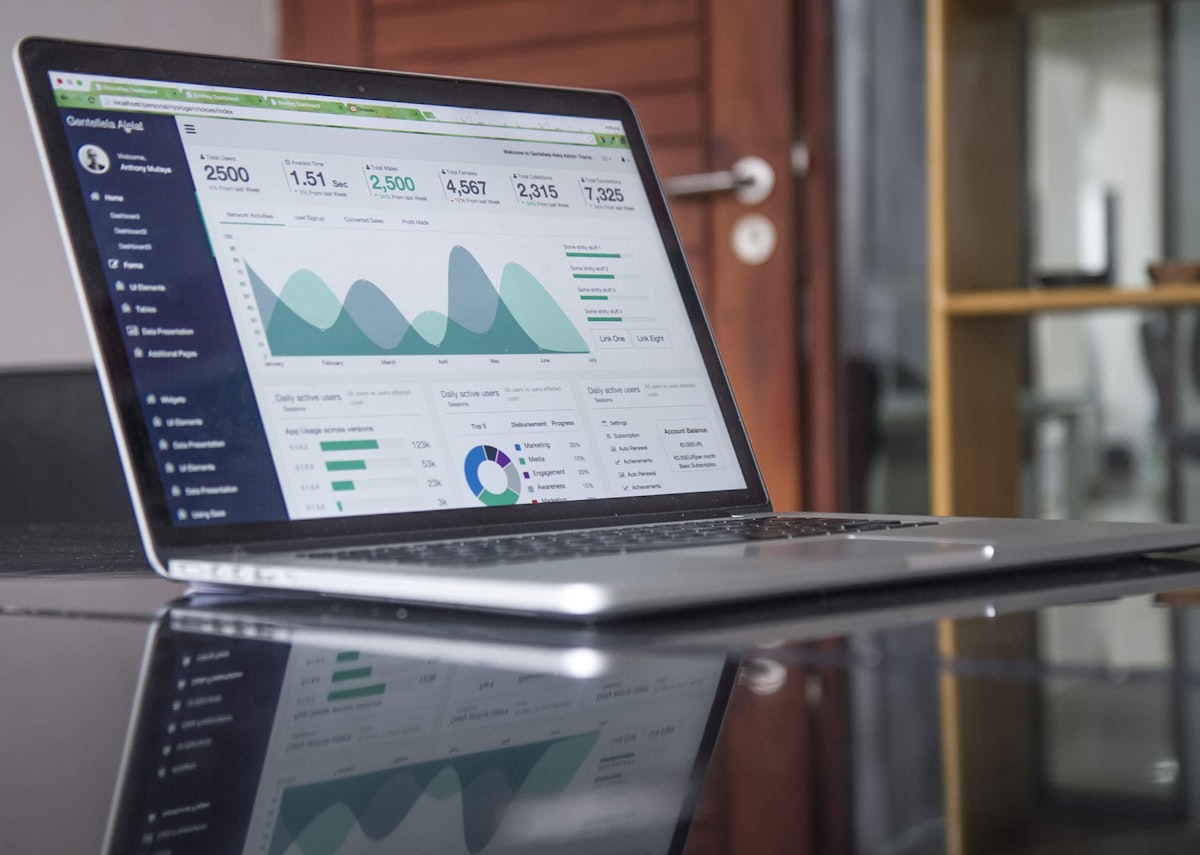
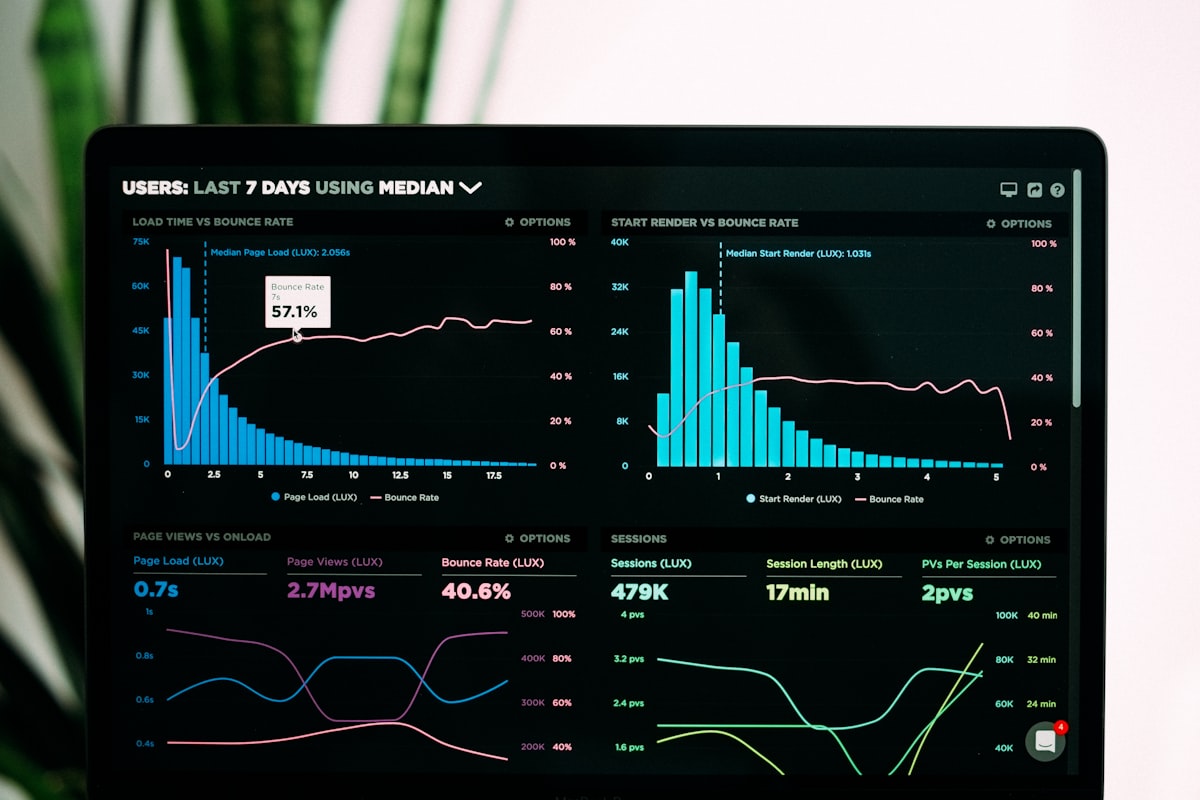
Pull your dwell time data for the last 90 days. Look at it by store, by day of week, by time of day. You already have this if you run any kind of traffic counter. Now ask yourself: do you know what was playing in each store during the periods you are looking at? Can you correlate the two? If the answer is no, you have a measurement gap. The audio environment has been affecting these numbers all along. You just have not been reading them.
For the financial framing that lets a CFO defend this as a line item, see The CFO’s Case for Retail Audio.