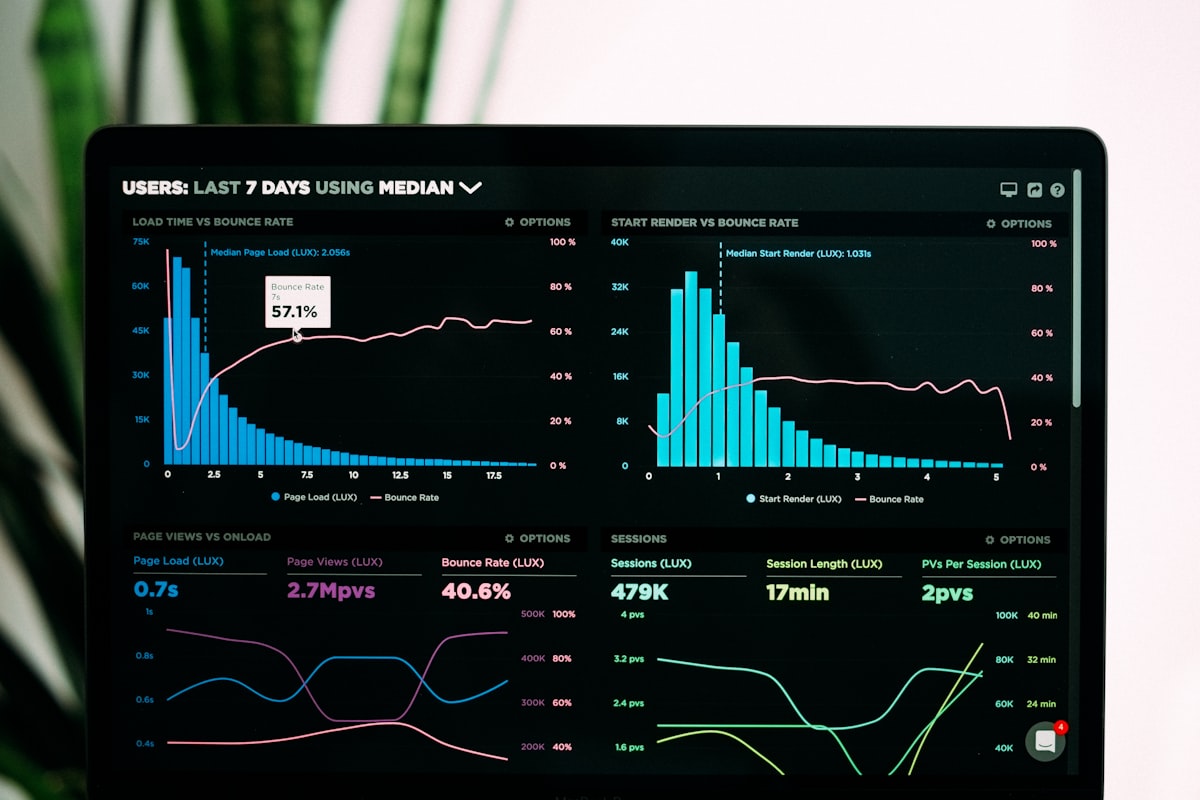
You decide to treat the music in your stores as a variable worth measuring. You pick a store, you set a baseline, you start tracking. Then you wait.
Week one is setup. You are confirming the data is flowing, the reports are rendering, the team is watching the right thing. Nothing interesting has happened yet.
Week two through week four is where most pilots break down. A Tuesday with bad weather tanks traffic. A promotion the marketing team ran without telling ops spikes conversion. A new hire starts on a Thursday and everybody at the store spends half the day training instead of selling. None of it has anything to do with the music, but all of it shows up in the numbers.
What changes after ninety days of measured audio? #
Somewhere around day sixty, the noise starts to thin. Not because the store stopped having off-days, but because you have enough hours of data that the random shifts start averaging out. Patterns that are actually in the music begin separating from patterns that are just weather and staffing.
You start noticing that Wednesday afternoons consistently run differently from Thursday afternoons in a way that does not correlate with traffic or staff count. You start noticing that a certain time-of-day mix produces longer visits, week after week. These are not conclusions yet. They are observations that would not have been visible at day thirty.
What day ninety looks like #
By day ninety, you have enough data to ask questions that were unanswerable before. Does the morning music correlate with morning basket size. Does a shift in the afternoon energy correlate with conversion. Are the weekend numbers actually different from the weekday numbers, and if so, is it the crowd or the audio that is different.
Some of the answers match what the public research would predict. Slower tempo, longer visits. That has been replicated since Milliman in 1982. But some of the answers will be specific to your store, your customer, and your hour in a way no academic study could have predicted, because no academic study was running in your store with your customers.
That is the point where the music stops being a subscription and starts being an operational variable.
General research tells an operator that music matters. Ninety days of their own data starts telling them how it matters in their specific store.
Why most retailers never get to ninety #
The honest reason is that almost nobody in retail has treated audio as a variable long enough to see the signal. The music vendor contract renews every year on the same terms. Nobody on the retailer side is assigned to monitor what the music is doing. The data the retailer already pays for (traffic, conversion, dwell) is never lined up against what was playing.
The operators who do the exercise even once, without changing vendors, often find patterns worth acting on. The exercise alone is cheaper than the cost of having ignored the variable for another year.
What you can do this week #
Pick three stores and a ninety-day window. Ask your music provider for a playlist history for those stores in that window. Pull your traffic and POS for the same hours. Put them in a spreadsheet side by side.
You will not get a clean answer on the first pass. But the act of looking at those two data streams against each other for the first time usually produces at least one question worth asking. And that question is further than almost any of your competitors have gotten on the audio side.
This gap sits at the center of the category Entuned was built to address.