If you run a mid-market or large retail chain, there is a reasonable chance you are paying two vendors whose products have never spoken to each other. One measures what happens in your stores. The other controls part of what causes it.
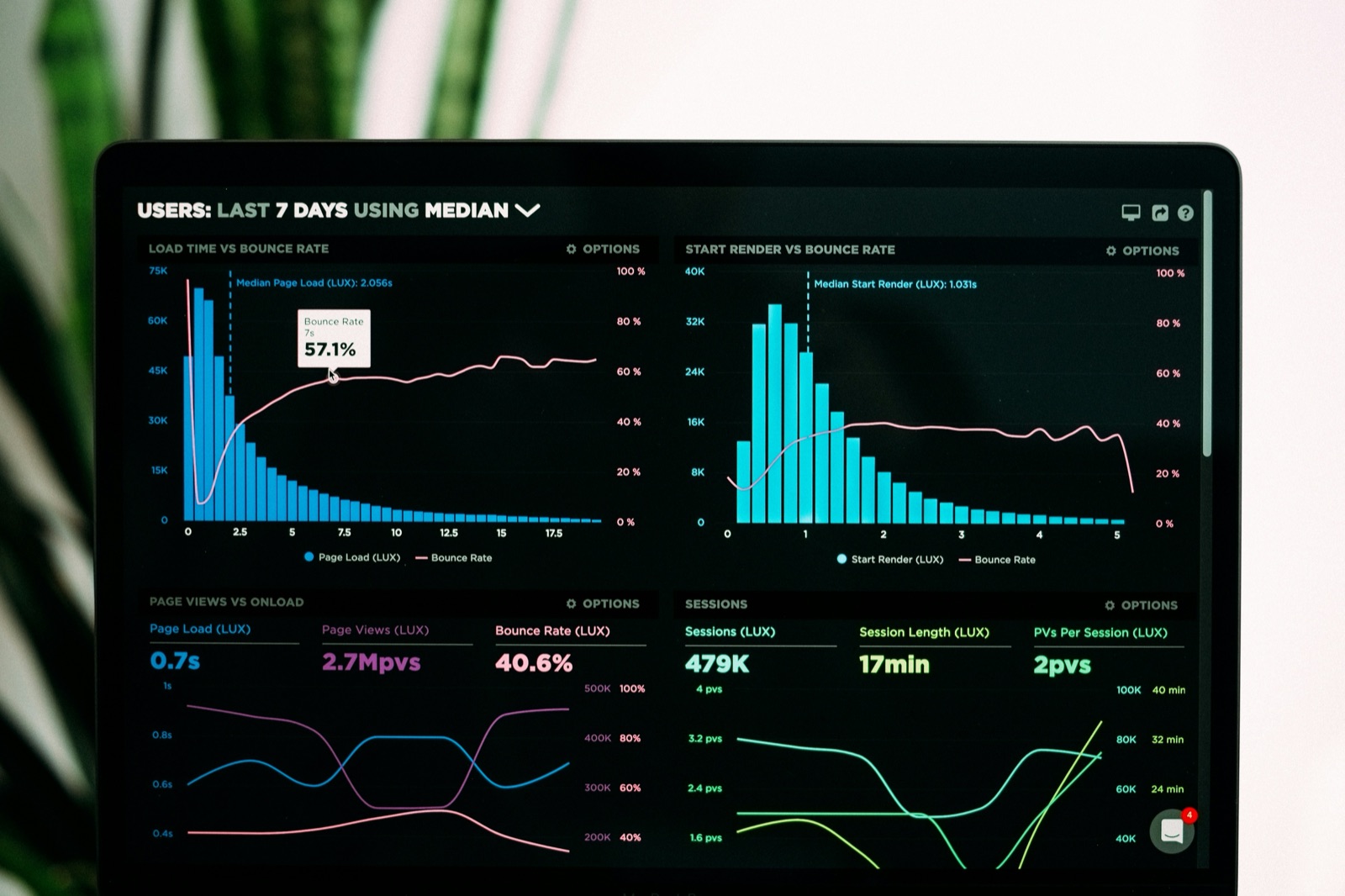
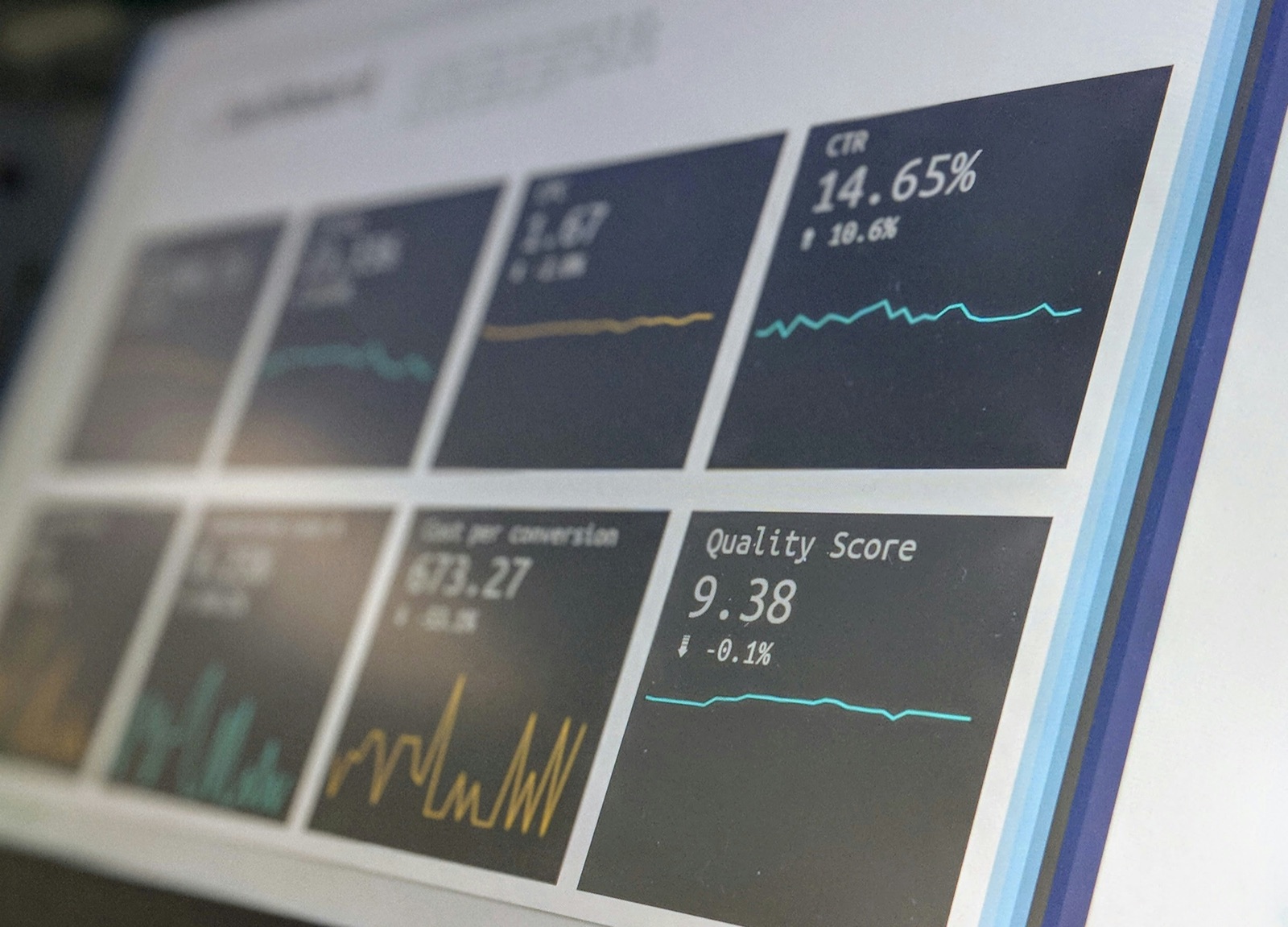
The first is your analytics platform. RetailNext, Sensormatic, Standard AI, V-Count, or one of their competitors. The data is clean and continuous.
The second is your music provider. Mood Media, Soundtrack Your Brand, SiriusXM Business, Cloud Cover Music, or one of their competitors. They deliver a licensed feed organized by genre and mood. The feed plays all day. Nobody thinks about it much.
Two vendors. One physical space. Zero data connection between them.
Why doesn't your music provider know what your analytics know? #
Your analytics dashboard shows dwell time in the accessories zone dropped last week compared to the same period prior. Traffic is flat. Conversion is flat. Something is making people leave that zone faster. Your ops team checks the merchandise, the staffing, the lighting. Nothing obvious changed. They file it under unexplained variance and move on.
What they did not check, because they have no practical way to check it, is what was playing on the speakers. The music provider rotated new tracks on Wednesday. The behavior shifted on Thursday. One change may have caused the other. Or it may be coincidence. Either way, nobody inside the retailer is looking at those two data streams side by side, because they live in two separate vendor dashboards with no shared infrastructure.
This is happening in some version in your stores right now.
Why the music provider cannot close this #
Mood Media has over 120 million licensed tracks. Their curators are competent. But their product is songs organized by genre and mood tags. They do not know your store’s traffic patterns. They do not know that dwell time dropped on Thursday afternoons. They do not have access to your POS data. They are not measuring whether the music they deliver correlates with the outcomes you care about, because they have no visibility into those outcomes.
This is not a criticism of their product. It is a description of their product’s boundary. They sell music. They do not sell music correlated with commerce. That correlation requires data they do not have and vendor relationships they have never built.
Why the analytics platform cannot close this either #
The analytics platforms are sensor companies. Their core product is measurement. They have not built sound capability and have no incentive to build it on their own. The result is that the gap between what the retailer measures and what plays in the store has persisted for the entire lifetime of the retail analytics category. Everyone knows it exists. Nobody has owned closing it.
The retailer sits in the middle of that gap. Two vendor relationships, one physical space, zero data connection.
What you can do this quarter #
Pull up your analytics for the last ninety days. Identify three hours or days where dwell or conversion moved without a clear explanation on the floor. Traffic was there. Staffing was normal. The merchandise did not change.
Now ask your music provider for a log of what played in those stores during those hours. Most providers can give you a playlist history. Once you have it, look at whether anything in the music changed at the same time as the behavior shift. You will not get a clean answer from one comparison. But doing the exercise for your top and bottom stores for a full quarter will start showing you whether the audio is correlated with the variance you have been chalking up to noise.
That is the first real conversation most retailers have ever had about their own audio data.
This gap sits at the center of the category Entuned was built to address.