In January 2025, Battery Ventures took a majority growth position in RetailNext, the smart-store analytics platform operating in more than 100 countries. Public reporting put the deal between 100 and 200 million dollars. Battery replaced a complicated cap table with a single partner and earmarked capital for acquisitions. Three Battery executives joined the board.
The CEO said publicly that the company now has the resources to make investments “that make strategic and financial sense.” Translated: RetailNext is going to buy things.
The question is what.
How does the Battery Ventures retail-tech thesis extend to audio? #
RetailNext’s acquisition history tells most of the story. In 2015, they bought Pikato, a mobile marketing platform that turned RetailNext’s traffic and behavior data into triggered communications on shopper phones. The thesis was straightforward. Analytics data is worth more when it drives an action. A dashboard alone is a cost center. A dashboard connected to an intervention is a return.
That pattern has repeated across retail tech. The platforms that own the data eventually need to own a way to act on it, because the retailer paying for analytics wants to know what to change, not just what happened.
What the dashboard already covers #
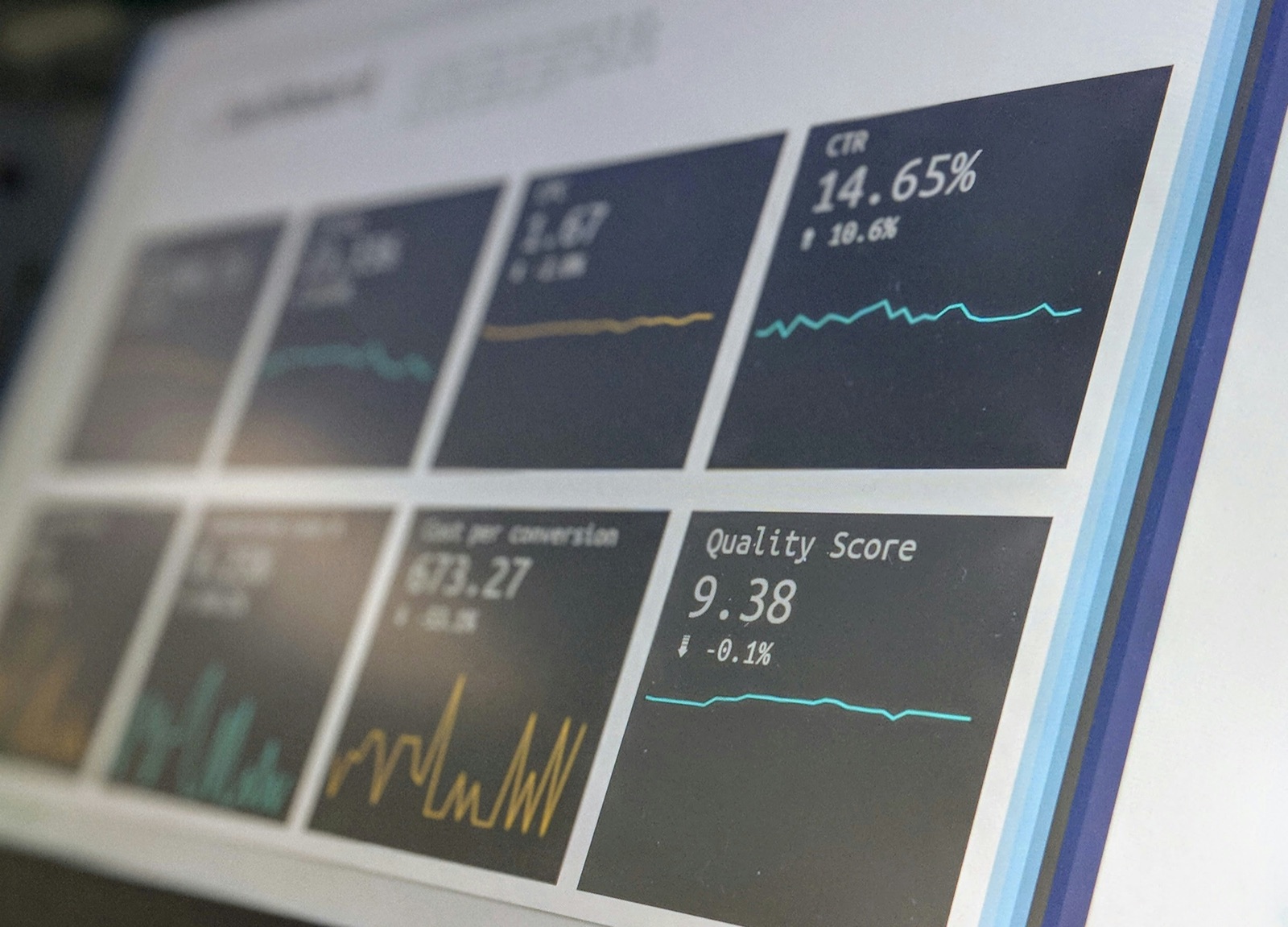
RetailNext’s platform measures foot traffic, zone dwell time, shopper paths, conversion rates, demographic inference, and POS correlation. The sensor infrastructure is mature. The data is continuous. The API exposes it in real time.
The interventions a retailer can run against that data are slow. Remerchandise takes weeks. Retraining takes days. Lighting changes are capital expenses. Repricing carries margin risk. Every available response runs on a cycle that does not match the cadence of the data.
The dashboard reads the room in real time. The response menu is quarterly.
The surface that is missing #
Retail analytics platforms have comprehensive coverage of visual behavior. Where people go, how long they stay, what they buy. They have almost no coverage of the sonic environment those people are moving through. The audio in the store is running all day, to every customer, and the analytics platforms treat it as if it does not exist.
That absence is the gap. An in-store environmental variable that changes the moment you change it, reaches every person simultaneously, and has four decades of behavioral research behind it. Nobody in the RetailNext ecosystem is measuring it. Nobody in the RetailNext ecosystem is correlating it. Nobody in the RetailNext ecosystem is integrating it into the platform.
Why the window is open now #
Three things are true at the same time in 2026 that were not true five years ago. The sensor infrastructure is deployed at scale across mid-market and enterprise retail. Generative AI music reached commercial quality in late 2025. And the academic literature on music and consumer behavior has been accumulating since the early 1980s with no commercial bridge to the store floor.
The companies that built the analytics platforms cannot, by themselves, close that gap. Their core competency is sensing, not sound. But the gap exists on their dashboards as unexplained variance every operator has learned to live with.
What operators should take from this #
For retailers running multi-location chains, the practical point is not which company acquires which other company. The practical point is that the audio in your stores is the last major environmental variable the retail tech stack has not integrated. That gap will close in the next thirty-six months through some combination of acquisition, partnership, and category formation.
The operators who are already measuring audio when that happens will have a head start on the vendor relationships, the internal org design, and the learning curve. The operators who are not will be playing catch-up in a category that suddenly has winners.
For the broader picture of why retail analytics has a response-layer gap, see why Entuned exists.