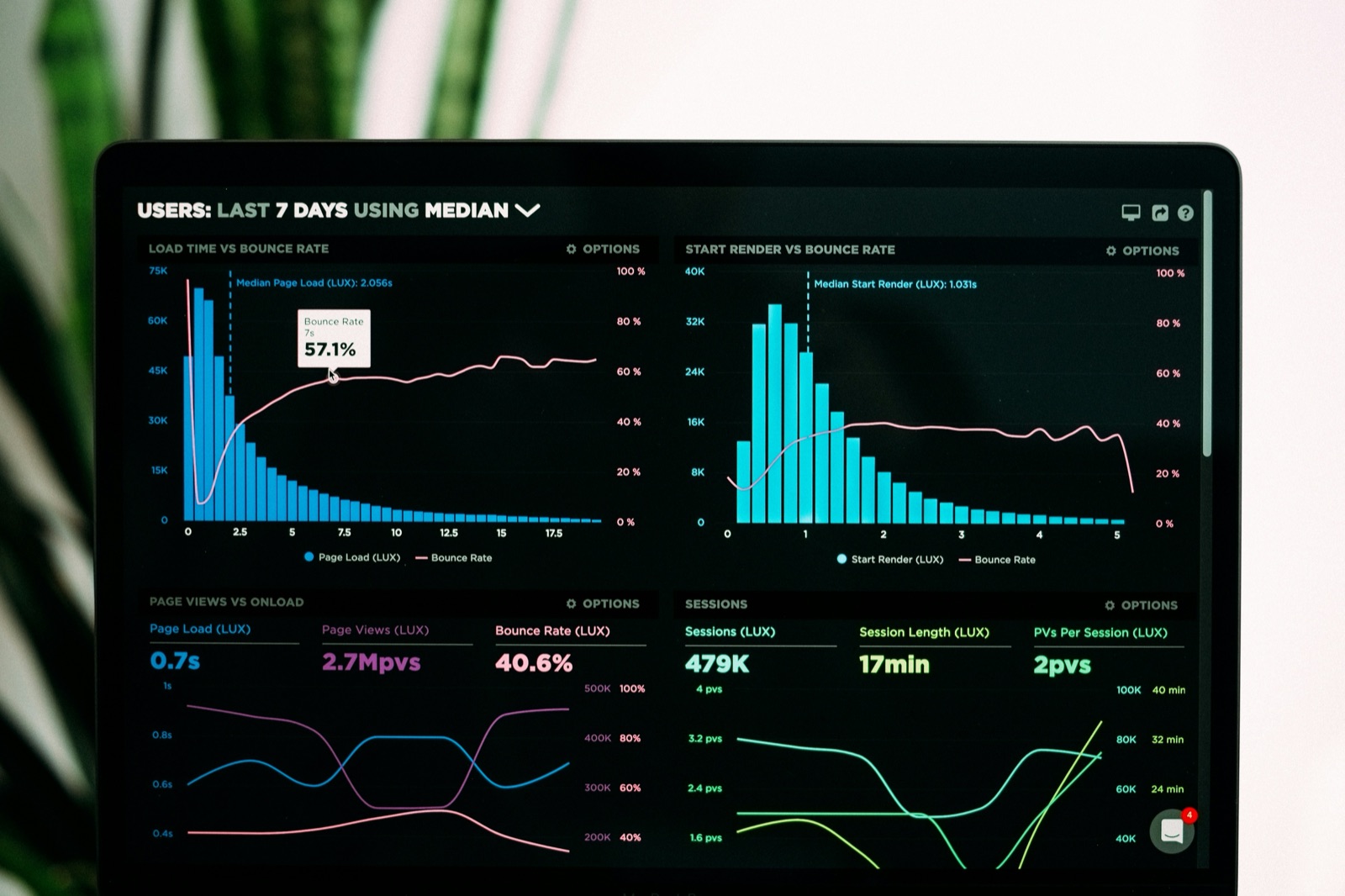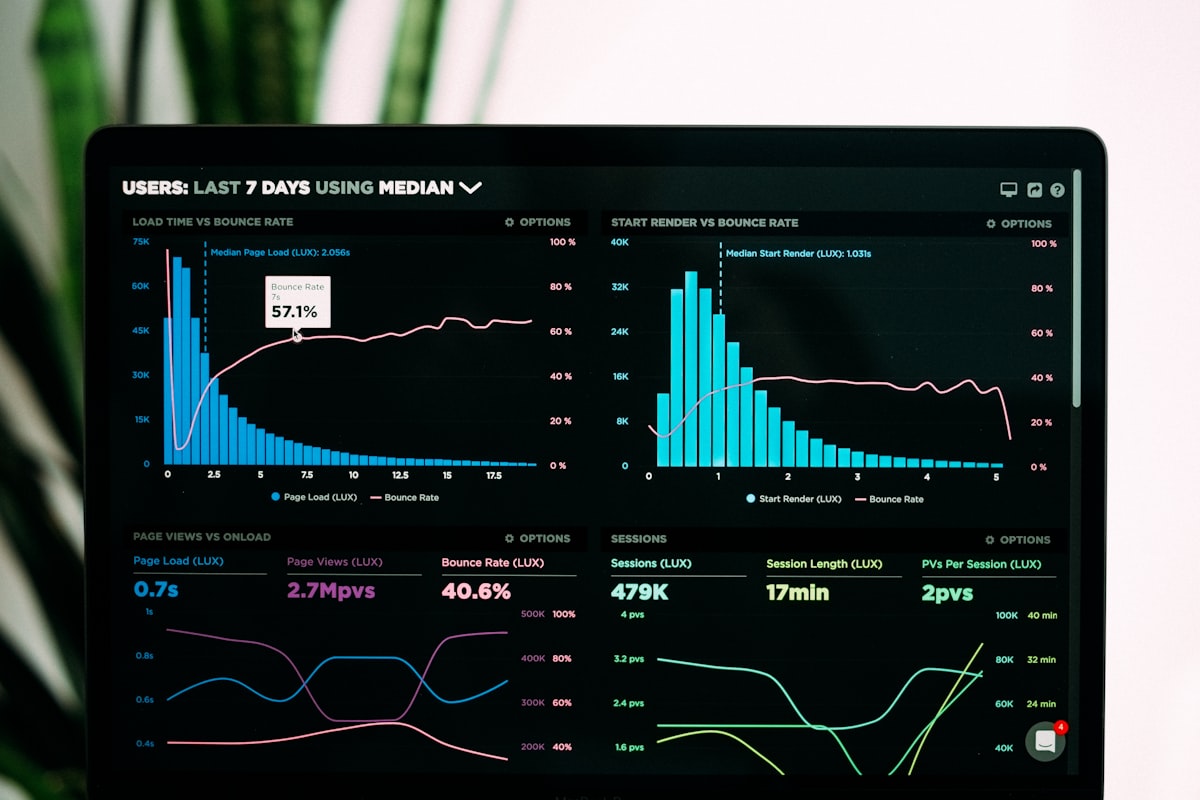
You open your RetailNext dashboard on a Tuesday morning. Dwell time in the east wall fixture zone dropped 14% last week. Traffic is up slightly. Conversion held flat. The data is clean and the picture is clear.
Now what do you actually do about it?
Why doesn't anyone act on the sensor data? #
Retail analytics platforms have gotten very good at counting. RetailNext operates more than 100,000 sensor devices across 100+ countries. Sensormatic runs 1.5 million collection devices globally. Your stores are almost certainly producing traffic data, zone dwell data, and conversion data at a granularity that would have seemed impossible a decade ago.
Most operators use that data for the same three things: weekly reports, quarterly board decks, and staffing models. That is a fraction of what the investment can produce. The sensor infrastructure is mature. Operators receive the numbers on time. But nothing in the store changes in response.
The Response Options Are Too Slow #
When a zone underperforms, operators have a short list of moves. Remerchandise the fixture. Retrain floor staff on engagement in that area. Adjust the lighting, if the building management setup even supports zone-level control. Test a new layout, wait six weeks, compare the numbers.
Every one of those interventions requires either a capital expense, a labor reallocation, or a merchandise cycle. None of them happen on the same day the data shows the problem. A store manager cannot remerchandise a wall in the middle of a Tuesday. Cannot retrain staff between the 11 AM lull and the 1 PM rush.
Operators end up in a pattern: they see the problem on a dashboard, they plan a response for next quarter, and by the time someone implements the change, the season has turned, the traffic looks different, and the original numbers no longer apply. The measurement is precise. The response is slow.
One Variable Moves Instantly #
There is one environmental variable in a retail store that can change continuously, costs nothing per adjustment, requires no labor to deploy, and reaches every person in the space at the same time. The sound.
Decades of published research in environmental psychology show that what shoppers hear affects how they move, how long they stay, and how much they spend. Ronald Milliman’s 1982 study on tempo and shopping pace is the most cited, but researchers have been documenting the connection since the 1960s.
Most retail stores still treat music as a background amenity. Somebody picked a playlist, a provider sends a licensed feed, and nobody measures whether it does anything. Operators pay for precise behavioral data and then ignore the one environmental lever they could pull fastest and cheapest.
What Operators Can Do With What They Already Have #
You do not need new hardware to start connecting your sensor data to your in-store environment. You need to start asking different questions of the data you already collect.
This week, pull up your zone dwell reports for three stores. Look at the same zone across all three during the same time window. If dwell varies by more than 10%, ask what differs between those stores beyond staffing and merchandise. Lighting, layout, and audio are the environmental variables. Two of those are expensive to change. One is not.
Then call your music provider and ask a simple question: can you show me any data on how the music in my stores relates to the behavioral metrics I track? If the answer is silence, that tells you something about the value you are getting for that line item.
A Better Return on the Analytics Investment #
Retail analytics platforms like RetailNext, Sensormatic, and V-Count produce valuable data. The retailers who get the most from that investment are the ones who connect measurement to environmental decisions, not just staffing and merchandising decisions. Audio is one category of environmental variable where that connection is now possible to make, and where the cost of acting on the data is close to zero.
The measurement infrastructure in multi-location retail is mature. Most operators already have the sensors they need. The ROI they are leaving behind sits in how they use the data those sensors already produce.
For the broader picture of why retail analytics has a response-layer gap, see why Entuned exists.