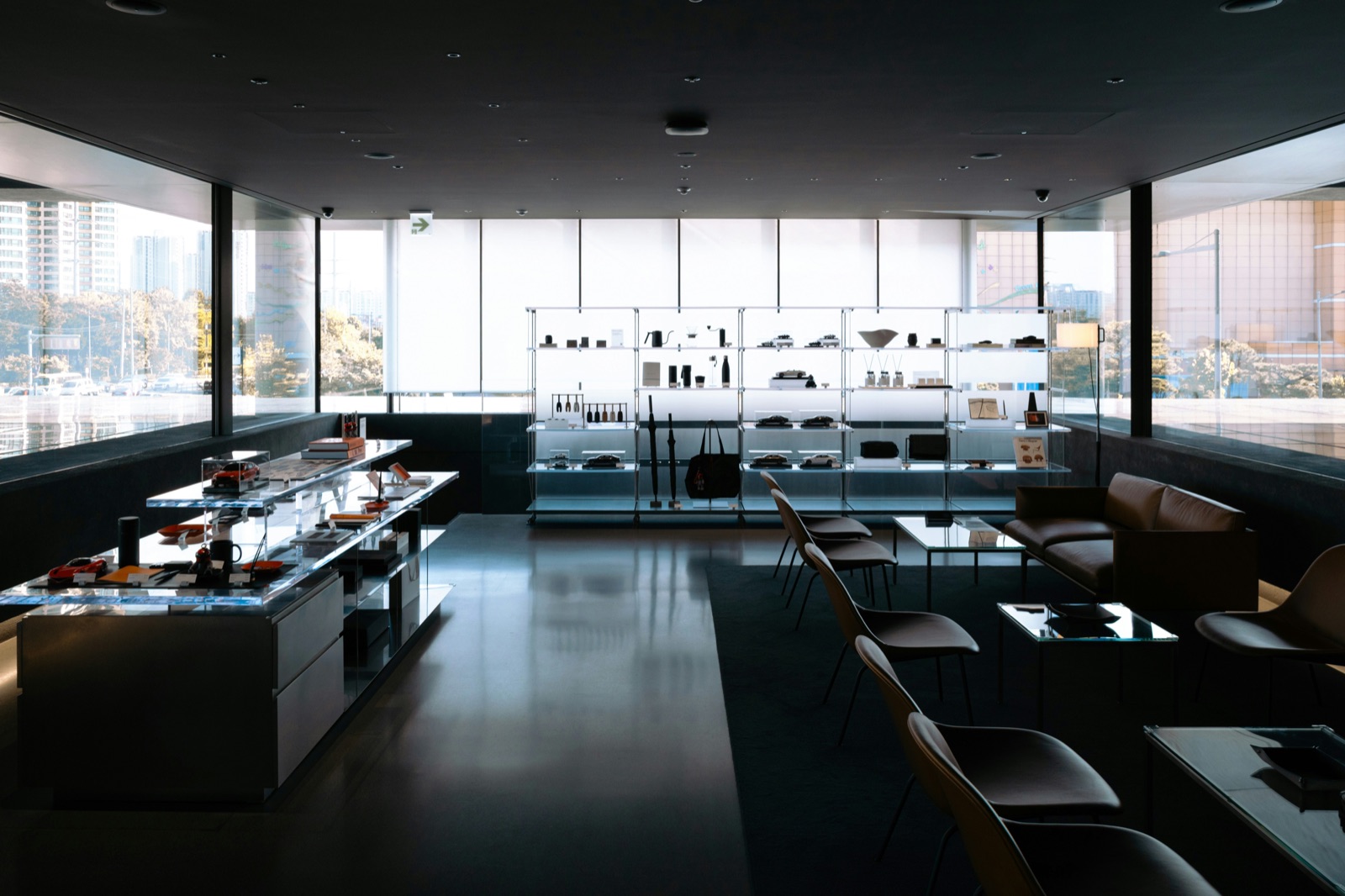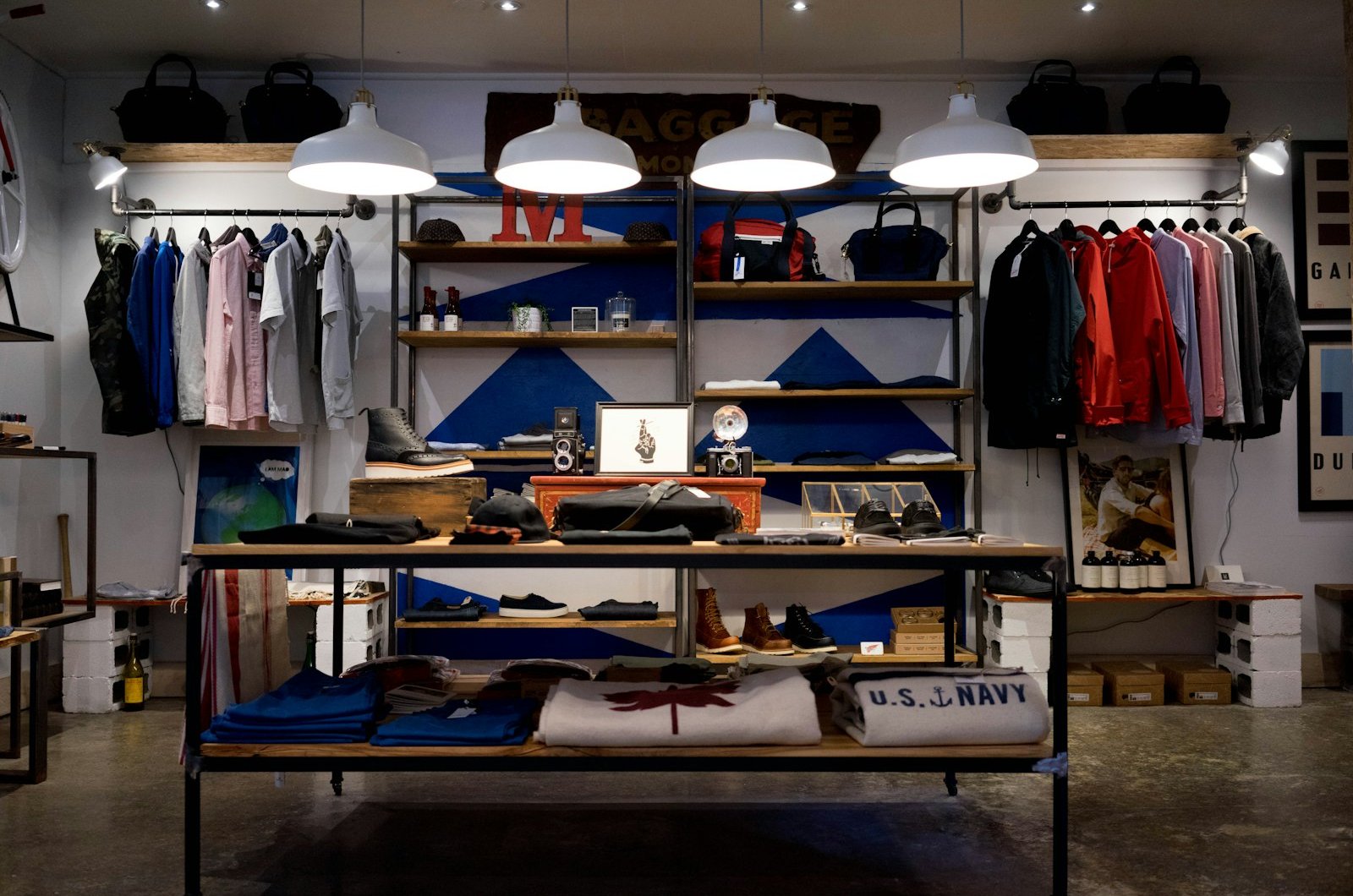
Walk into any store you operate and stand still for thirty seconds. Something is playing. That music is shaping how every person in the room feels, how long they stay, what they reach for, and whether they buy.
This is not speculation. Ronald Milliman demonstrated in 1982 that slowing background music tempo in grocery stores increased sales. The reason was simple. Customers stayed longer. They browsed more. They spent more. One variable, tempo, moved the revenue number.
What mood is your store already broadcasting? #
Most operators treat in-store music as a single decision. Pick a genre, hand it to a playlist service, move on. The result is either right or wrong, and nobody looks at it again until a customer complains or a district manager notices.
But every song carries more than a genre tag. It carries energy, era, emotional tone, production style, and cultural associations all at once. Customers respond to all of it, whether they notice or not. Two songs at the same tempo can produce completely different reactions in the same room, because everything else about them is doing different work. Same speed. Different feeling. Different shopping behavior.
Operators who treat music as a single dial are leaving those signals unexamined. And unexamined signals tend to send the wrong message.
What Premium Stores Get Wrong #
In premium retail, the instinct is often to play something upbeat and positive. High energy, familiar artists, good vibes. The logic sounds right. Happy music, happy customers, more sales.
The research tells a different story. Areni and Kim showed in 1993 that when music matched the positioning of a wine store, customers chose more expensive bottles and spent more per visit. The key was congruence, not energy. Customers in a space that felt aspirational made purchasing decisions that reflected that aspiration.
High-energy playlists in premium environments often do the opposite of what operators expect. They raise the pace of the visit. Customers move faster, touch more items, but spend less time considering any of them. In fast fashion, that tradeoff might work. In a premium retail environment, it compresses perceived value and signals mass-market positioning. The store starts to feel like a mall, regardless of the merchandise.
The Wrong Music Costs More Than Silence #
Most commercially released music is produced to stand out on streaming platforms and radio. The sonic choices that grab attention on a playlist can become exhausting in a store where music runs for eight hours straight. That fatigue is subtle but cumulative. Customers start to feel restless without knowing why. Staff reach for the volume knob or change the station. The store gets quieter or more chaotic, depending on who is working that shift.
Hard-surface retail spaces make this worse. The acoustics of tile, glass, and metal interact with the music in ways nobody planned for. The room and the audio together produce an experience that neither was designed to create.
The First Ten Seconds #
A customer walking into your store forms an impression before they look at a single product. They hear the music. They feel the lighting. They register the temperature, the scent, and the energy of the staff. All of this happens in roughly ten seconds, and most of it is unconscious.
If the music belongs in a different kind of store, the customer notices. Not with words. With a feeling. The space does not feel like the brand, even if the visual merchandising is perfect. Operators spend thousands on fixtures, signage, and lighting to control that first impression. The audio is often the one element nobody audited.
What You Can Do This Week #
Walk three of your locations at different times of day. Stand near the entrance for sixty seconds. Listen. Ask yourself three questions. Does this music sound like it belongs in this store? Would my best customer feel at home hearing this? And has anyone on my team actually chosen this with intent, or is it running on autopilot?
If the answer to any of those is no, you have found something worth fixing. And the cost of getting it wrong is not just a vibe problem. It shows up in dwell time, in basket size, and in whether customers come back.
You are already shaping how every customer feels the moment they walk in. The only question is whether anyone chose the music with that in mind.
The operational leadership case for treating audio as a brand element is laid out here.