A VP of Retail runs 40 stores. She knows to the dollar what her lighting package cost, what the fixture refresh cost, and what the visual refresh cycle costs across the chain. Every one of those line items has a number next to it that her CFO can argue with. The music line does not. She pays a music vendor every month. She has no idea what she is getting for it.
That is the ROI question in a sentence. The question is whether you can say anything about what your music is doing in your 40 stores. Most retail operators cannot.
How do you measure the ROI of in-store music? #
Retail operators get stuck here because they picture the wrong thing. They picture a Milliman paper. Controlled lab work. Academic language. The CFO does not want that. The CFO wants a line item with a number next to it, produced from the chain’s own numbers, defensible at the board meeting.
That is the bar your visual team clears. That is the bar your fixtures team clears. That is the bar every other store-experience investment clears. The music line has never cleared it because the music vendor never shipped the data required to clear it.
The 1982 paper is useful shorthand at your next QBR and almost useless past that point. It tells you the effect size is not nothing. It does not tell you what your own 40 stores are doing right now.
What you already pay for #
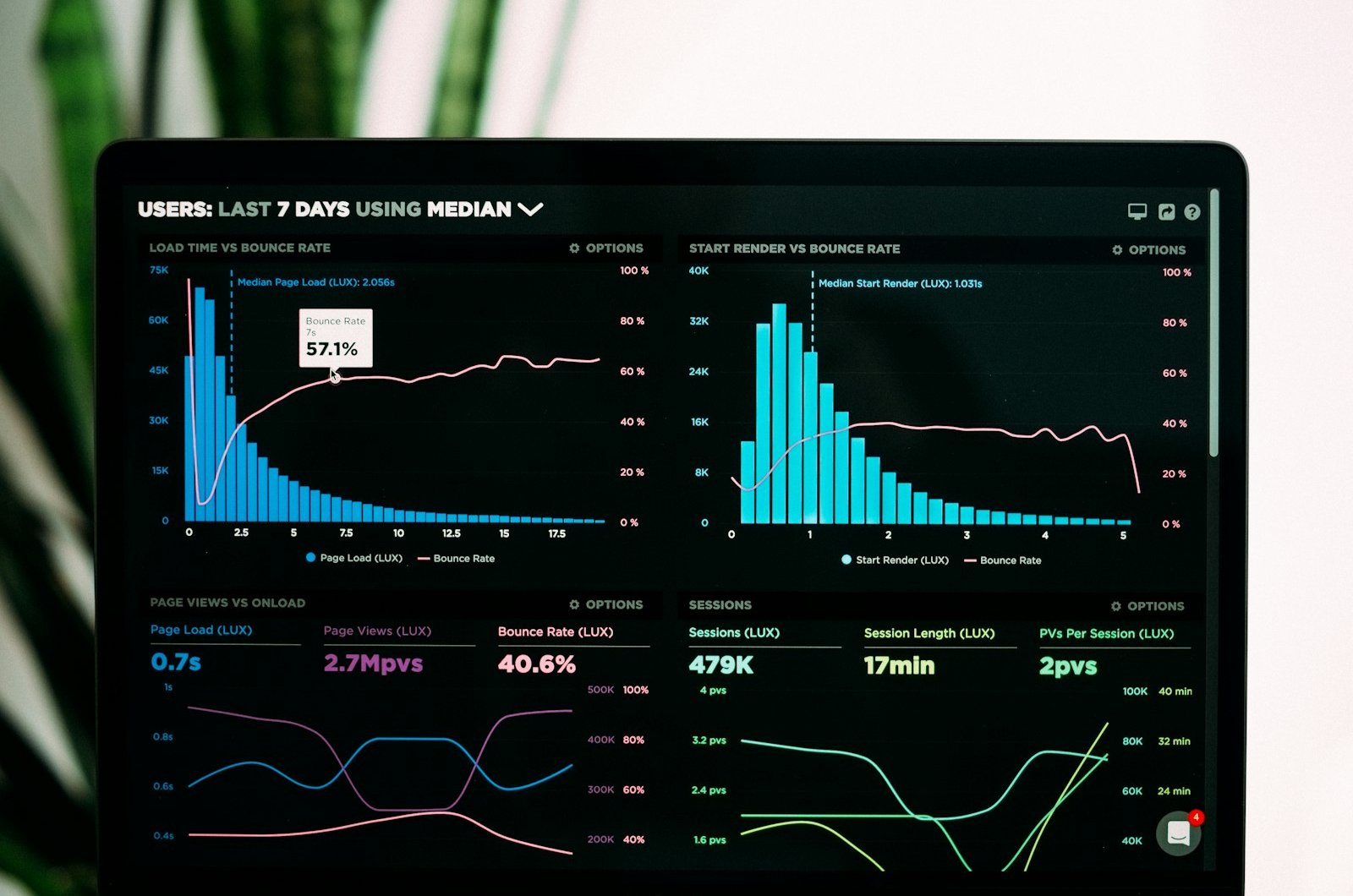
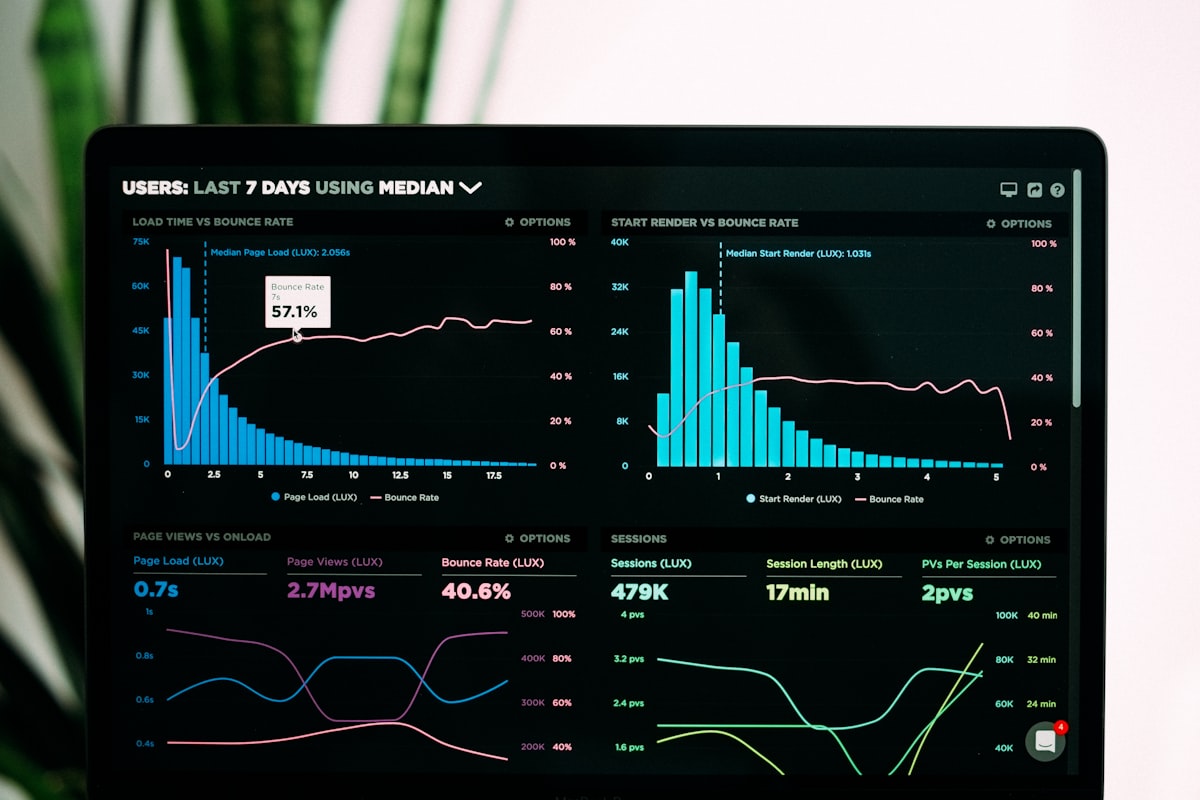
A 40-store lifestyle chain today almost always has four data streams already running: POS down to the minute, door traffic counters, dwell times from an in-store analytics vendor like RetailNext, and a satisfaction score the marketing team owns. The chain pays for these every month. The CFO has seen the invoices.
Put a music line next to those four streams and the measurement job gets simple to describe. Did anything move in the hours, days, and weeks when the audio was different from baseline. That is a question the retail analytics team is already built to answer, for any store-experience variable you put in front of them. Lighting changes, remodels, staffing shifts. They run this exercise constantly.
What breaks with music is the first column. The audio vendor has nothing to hand the analytics team. No record of what played, where, when. Nothing to match against. The analytics team cannot correlate sales against a variable that does not exist in their tooling.
Your music vendor is the column the analytics team does not have.
One question to ask at your next QBR #
The shortest way to surface this at an operator level costs you nothing and takes five minutes. At your next quarterly review with your music provider, ask the rep one question. Show me a report on what your service contributed to sales in my stores last quarter.
If the rep changes the subject, you have your answer. If the rep sends you a playlist log and a satisfaction survey, you have your answer. If the rep sends you a correlation against your POS and traffic data, buy them lunch, they are the first vendor in the industry doing the work.
The point of the question is not to pick a fight with a vendor. The point is to see, in real time, whether the category you are paying for has ever been asked to produce a number. For most retail chains the answer is no, and the rep has never been asked the question before.
The CFO case in one line #
Every other store-experience line item reports a number to finance. Visual. Lighting. Fixtures. Staffing. Signage. Music has never been asked to. The reason is a vendor-category habit, not physics. The retail chains that start asking the question will have a number a year from now. The ones that do not will keep paying the invoice and keep shrugging at the line.
For the financial framing that lets a CFO defend this as a line item, see The CFO’s Case for Retail Audio.