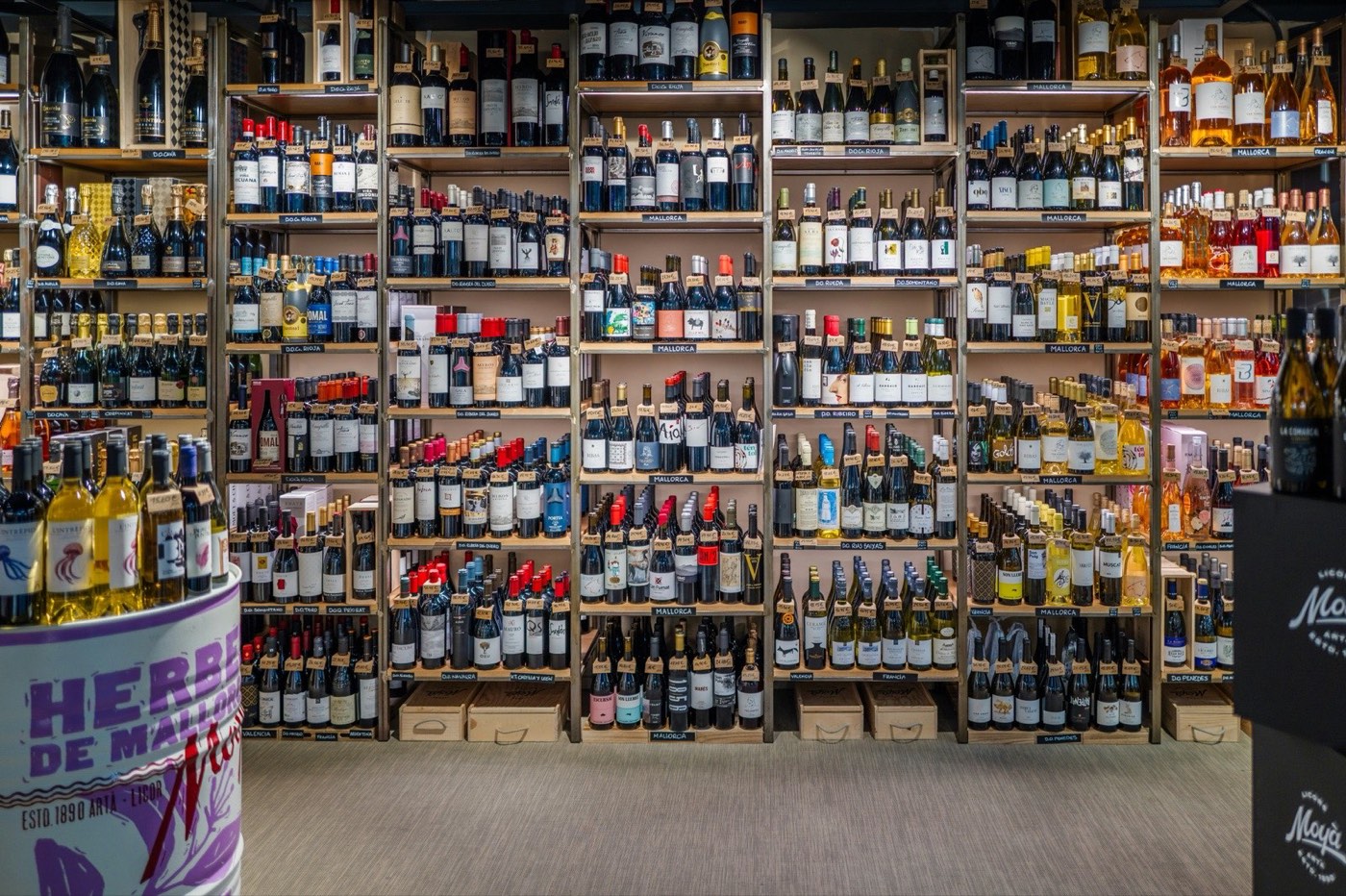
Walk into any specialty wine shop on a Saturday afternoon. A customer is standing in front of two bottles in the thirty-to-fifty-dollar range. She has some idea of what she likes, no real expertise on the subject, and no strong reason to pick one over the other. She will make that decision in the next ninety seconds. She will probably not remember how she made it. The music in the store is one of the things she is factoring in without knowing it.
Can music actually shift which bottles customers buy? #
In 1993, two researchers named Areni and Kim ran an experiment in an ordinary American wine shop. On some days they played classical music. On others they played pop. The wines were the same. The prices were the same. The staff was the same. They recorded what people bought.
On the classical days, customers bought more expensive bottles. They did not buy more wine. The number of bottles per customer barely moved. What changed was which bottle they reached for: under classical music, shoppers traded up to higher-priced wine. When researchers interviewed customers after the purchase, almost nobody believed the music had influenced them. They attributed their choice to the wine itself, to staff recommendations, to their own mood. The music was invisible to their conscious reasoning and active in their decision anyway.
What the mechanism actually is #
Areni and Kim called it quality inference. The music in a space establishes a quality baseline that customers use, without thinking about it, to calibrate their own spending. Classical music in a wine store tells the customer this is a place where buying the premium option is normal. She responds by buying the premium option more often than she would in a space that signaled nothing about quality.
The mechanism matters for wine specifically because of how the category works. Wine is a domain where most customers cannot evaluate price-to-quality on their own. They defer to the room. The room includes the shelving, the lighting, the label aesthetics, and the staff. The music is part of that room and has been the whole time. Most wine retailers have never asked what their speakers are telling a customer.
The customer who buys the more expensive bottle is the customer who felt the space was worthy of that decision.
Why generic classical is not the answer #
The instinct after hearing about the Areni and Kim finding is to go put on a classical playlist. Do not do that. The effect in the study came from a specific match between the music and the customer base that shop was serving. A wine retailer whose customers skew younger, or whose brand leans natural-wine-bar rather than old-European-cellar, will get a different result with Beethoven than Areni and Kim got.
The takeaway is not “play classical.” The takeaway is that the audio in a wine store is already doing work, and that work is either aligned with the customer or it is fighting her. Generic retail music is almost always fighting her, because it was assembled for nobody in particular.
What you can do this week #
Stand in your store on a Saturday afternoon for ten minutes and listen. Pretend you are a customer choosing between a forty-dollar bottle and a twenty-eight-dollar bottle. Ask yourself whether the room you are standing in, sonically, is telling you that the forty-dollar bottle belongs here. If the answer is no, or if the answer is “I can’t tell,” the music has a job to do and is not doing it.
Then look at your basket data over the last quarter. How often do customers upgrade to a pricier bottle when a staff member recommends it? How often do they default to the cheapest bottle in a category? Those numbers move with the room. The room includes the speakers.
The deeper academic record on music and shopper behavior is catalogued on the science page.