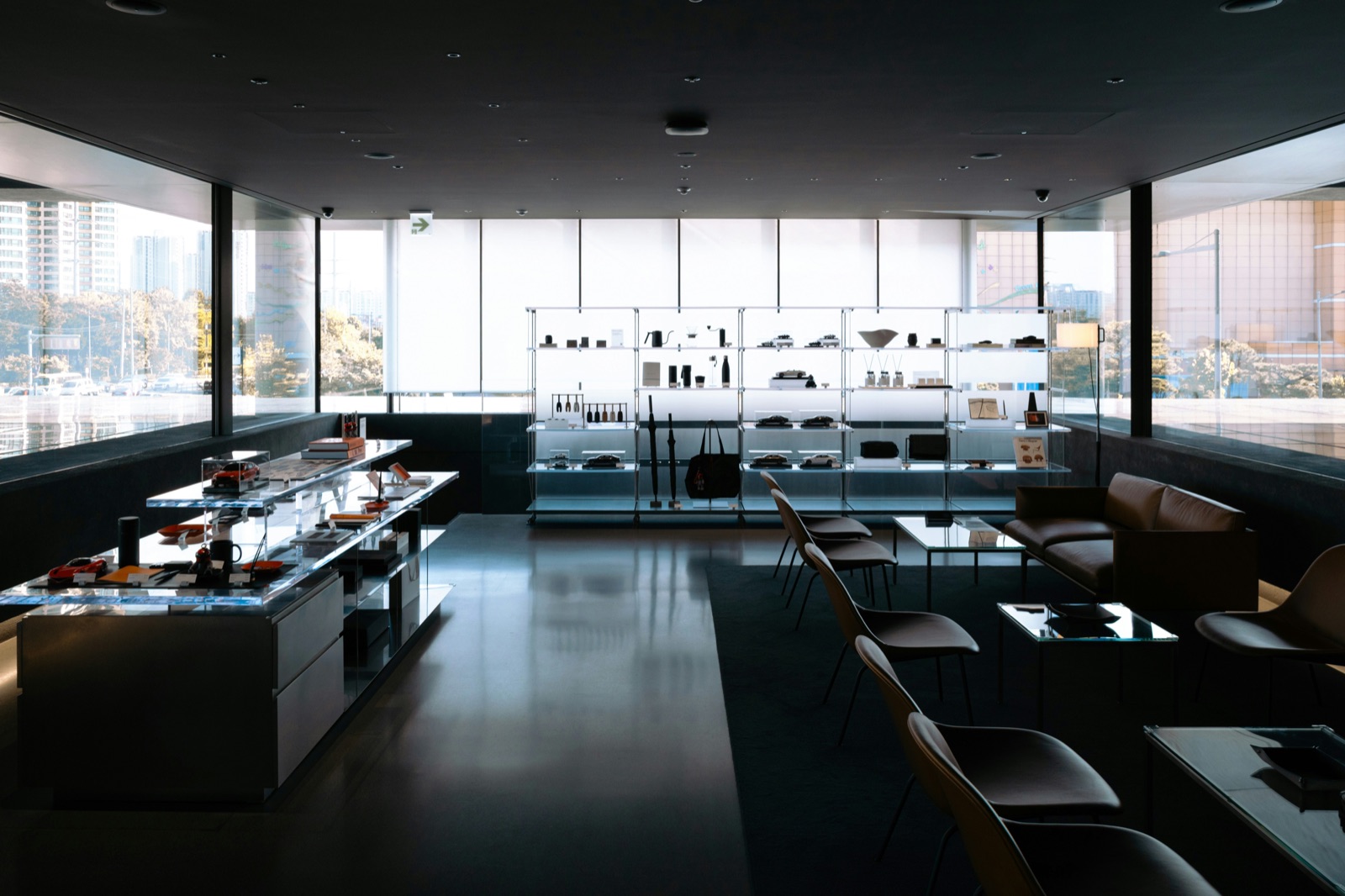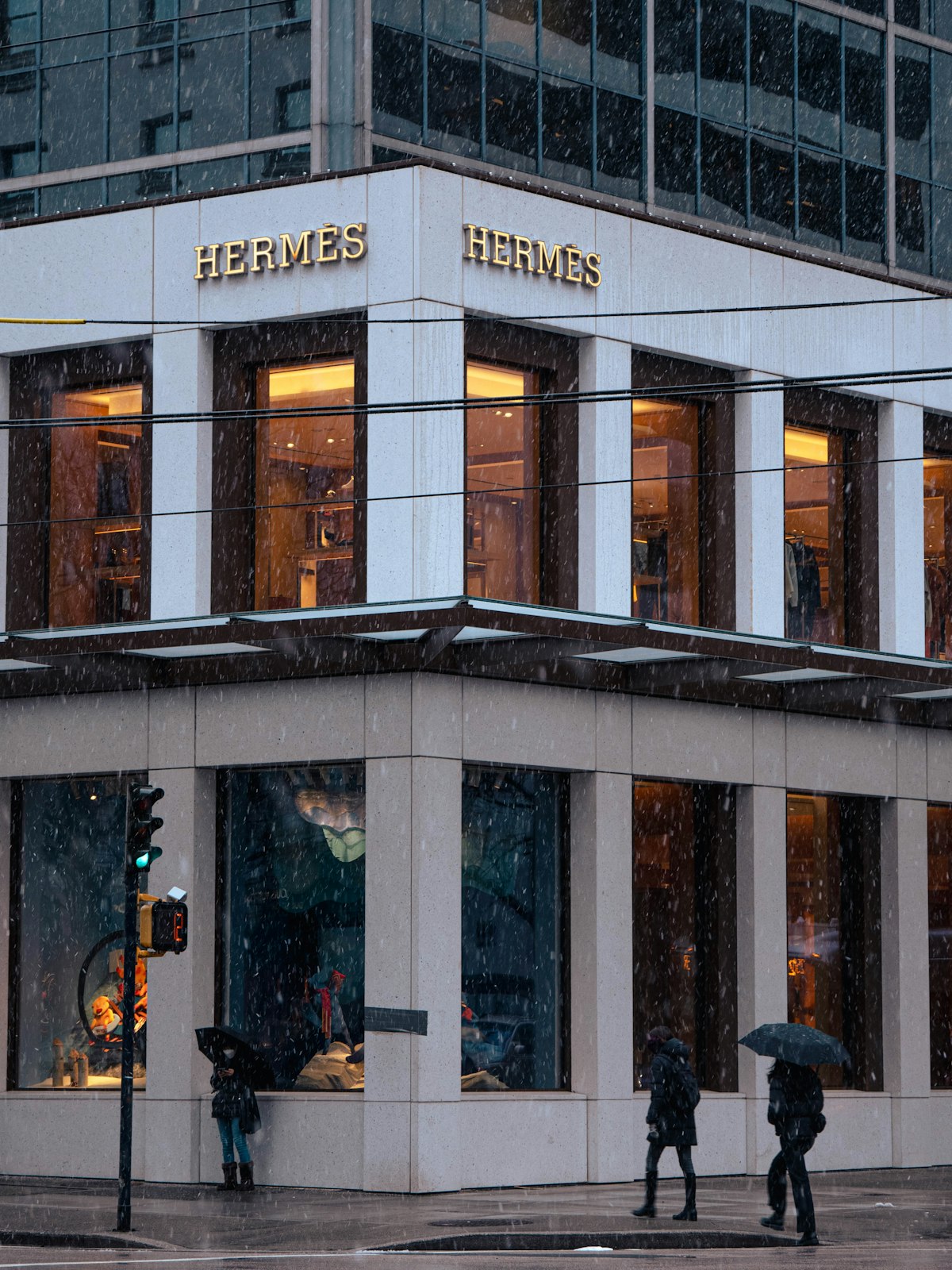
Walk into one of your stores on a Tuesday afternoon. Stand near the entrance for thirty seconds. Listen.
Does what you hear match what you see? Does it match what you spent six figures building out in fixtures and visual merchandising? Or does it sound like someone’s personal Spotify playlist bleeding through ceiling speakers?
Most operators have had this moment. The store looks right. The product is right. The staff is trained. And something still feels off. The music is usually where it lives.
What kind of music should my store play? #
When retailers think about music, the first instinct is genre. “We’re a jazz store” or “we play indie” or “upbeat pop.” That feels like a decision, but most of the time it just narrows the playlist without solving the actual problem.
Two stores can both play indie music and feel completely different. One feels curated and intentional. The other feels like a coffee shop in 2014. The genre is identical. The effect on the customer is not.
That gap matters because your customer decides fast. Researchers at McGill University have documented that people form emotional responses to music within 250 milliseconds. Before your customer has looked at a price tag or touched a product, they have already decided whether this space was built for someone like them.
Your customer chose you for a reason #
A 35-year-old woman earning $80K could shop at your store or the one across the street. Identical demographics. Completely different customer. She chose you because something about your brand, your product selection, your visual identity, the way your staff talks to her, lines up with how she sees herself.
That alignment is psychographic. Values, aesthetics, lifestyle. And the research on this is old and settled. Areni and Kim showed back in 1993 that when the music in a wine store matched the price positioning of the product, customers spent more. Same wine, same price. Customers simply trusted the environment enough to reach for the higher shelf.
Most multi-location retailers have figured this out for every other sensory channel. The lighting in a luxury boutique is different from the lighting in a value retailer. The fixtures, the staff dress code, the packaging. All of those choices reflect who the customer is and why they chose the brand. The music, in most stores, reflects what someone on the team happened to like.
What changes when the audio actually fits #
When a customer walks into a store where every signal points the same direction, something simple happens. They stay longer. They browse instead of beeline. They pick things up.
Retail psychology calls this congruence. When the visual design, the staff behavior, and the audio all reinforce the same identity, customers trust the space. They stop evaluating and start shopping. Dwell time goes up. Average transaction follows.
The reverse is also true. Premium visual design paired with generic background music creates a mismatch your customer might not name but will definitely feel. They shorten their visit. They second-guess the price point. A flagship store that spent $200 per square foot on buildout can feel like a mall kiosk if what the customer hears contradicts what they see.
That difference between a flagship and a mall location, by the way, is one of the hardest problems in multi-location retail. Same brand, same merchandise, completely different context. The visual merchandising team already adjusts for this. Nobody adjusts the music.
The kind of approach that works #
Getting store music right at scale means starting from customer psychology. Who is the person shopping in this store? What do they value? What would feel wrong or inauthentic to them? Then building audio that answers those questions, and measuring whether it actually moves the numbers.
That last part is where most providers fall short. The typical music vendor hands you a playlist, maybe lets you choose a “mood,” and then never connects the audio to any business outcome. You have no idea whether the music helped or hurt. You just have music.
That has changed. Custom audio, built from scratch for a specific customer profile, with no licensing exposure and no repetition fatigue, is now a real option for multi-location retailers. Generative music makes it possible. And because every track is original, every store can sound distinct without someone manually curating thousands of songs.
Something you can do this week #
Pick three of your stores. Different locations, different traffic patterns. Walk each one during a busy hour and a quiet hour. Stand where the customer stands. Listen for thirty seconds before you look at anything.
Ask yourself three questions. Does this sound like it was chosen for the person shopping here? Does it match the visual identity we spent money building? Could I tell which brand this store belongs to with my eyes closed?
If the answer to any of those is no, you are paying for audio that undermines everything else you have invested in the space. Worth knowing before the next vendor renewal conversation.
Entuned builds audio from customer psychology — tempo, familiarity, identity congruence — not genre filters. Entuned Free is open to start, no credit card required.
For what a pilot actually looks like end to end, see how the pilot works.