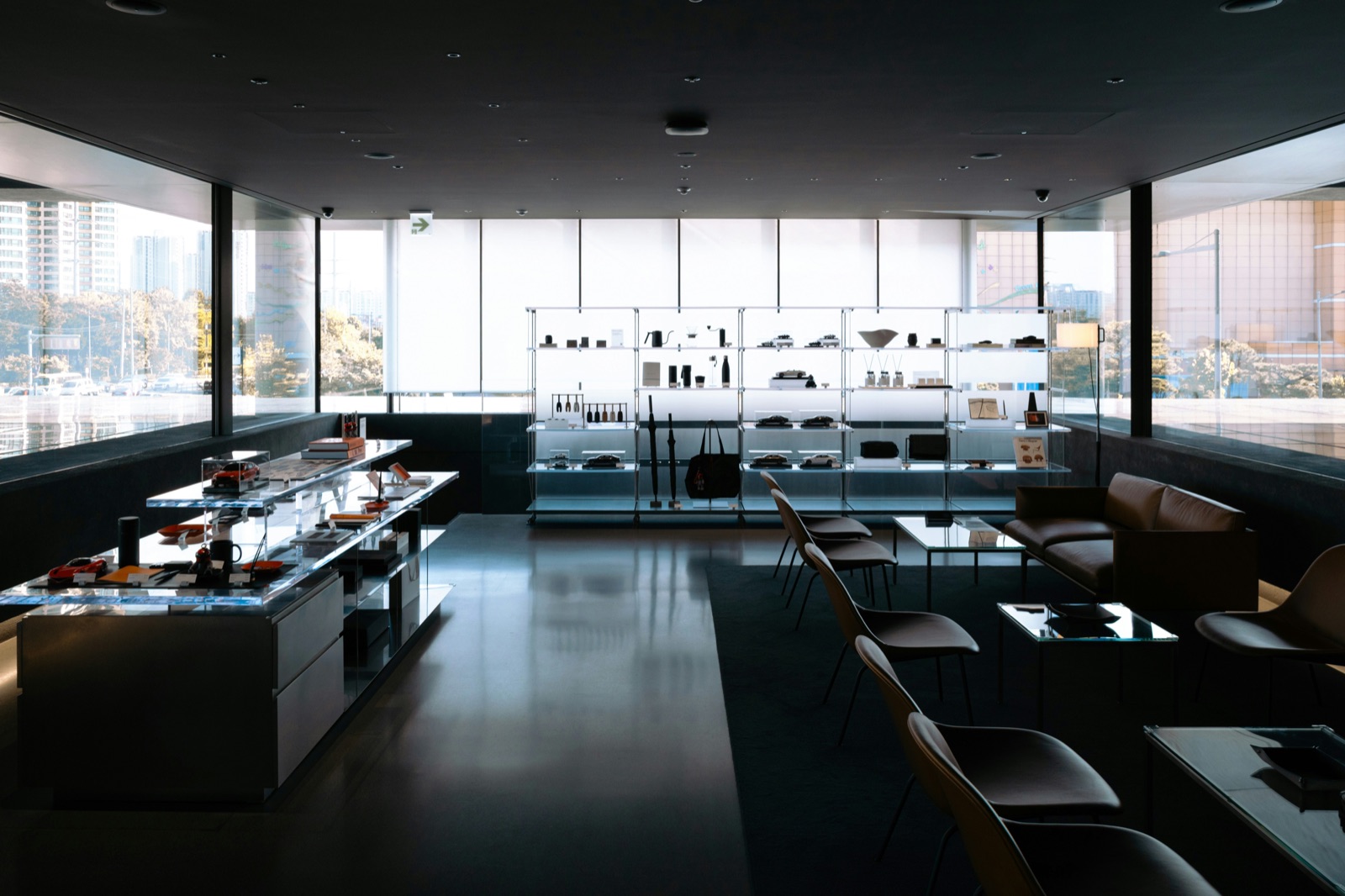
Your visual merchandising budget last quarter was probably six figures. Your store design got three rounds of review. Your lighting has a spec sheet.
Your music is a playlist somebody picked two years ago, or a feed from a licensing company that has never set foot in one of your locations.
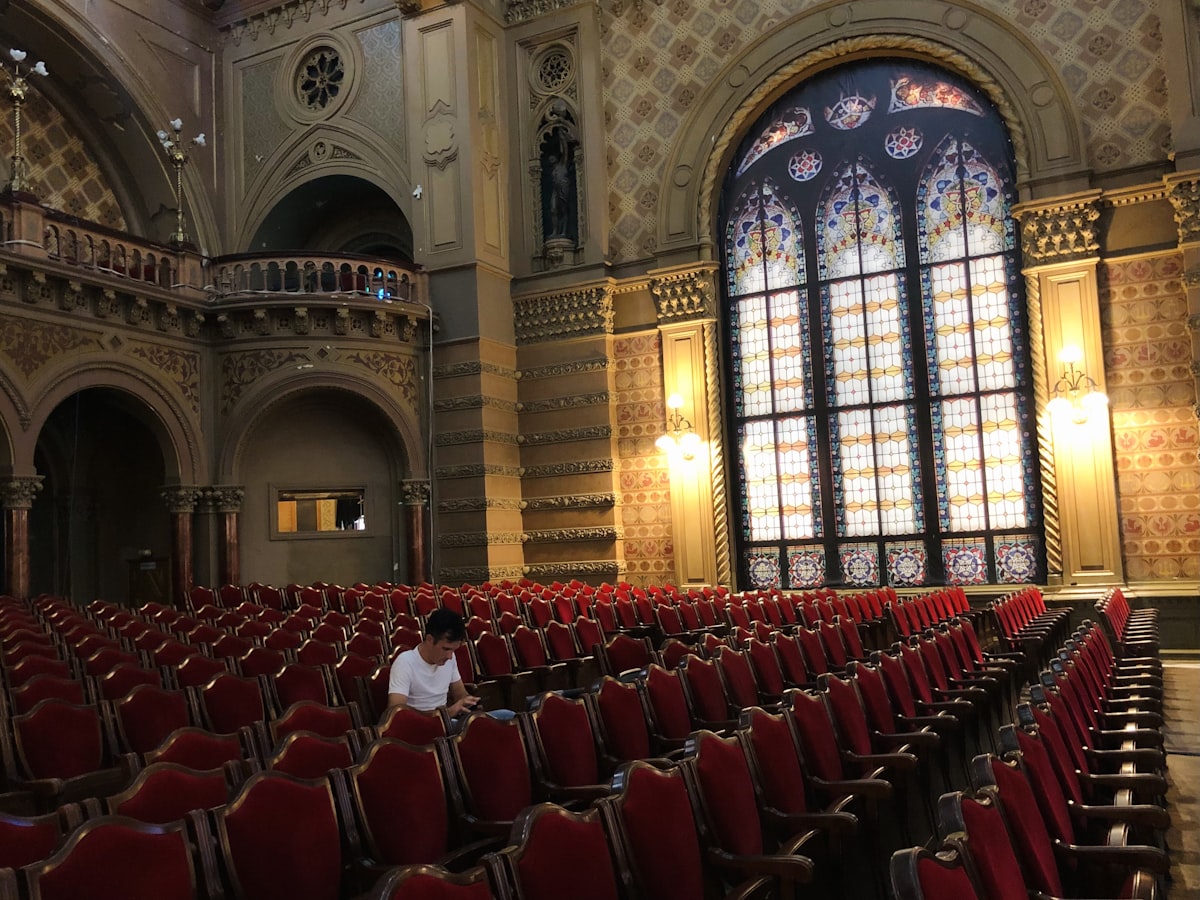
That split between how much attention goes into what your store looks like and how little goes into what it sounds like is not a small thing. Walk into any well-run church during a service and you will feel the difference immediately. The music in that room was chosen for a reason. The tempo, the volume, the instrumentation, the way the songs move from one to the next. None of that happened because somebody hit shuffle. It happened because people spent centuries figuring out what kind of music produces what kind of response in a room full of people.
Military marches exist because someone discovered that specific rhythmic patterns synchronize movement and suppress fear in soldiers walking toward a fight. Lullabies work across every culture on earth because the melodic and rhythmic patterns that calm an infant are physiological, not cultural. Funeral processions use the music they use because the pace and tone guide a room of grieving people through something they cannot manage on their own.
Every one of these is an example of music doing a job. Not filling silence. Doing a job.
What do film composers know that retail doesn't? #
A film composer scoring a two-hour movie makes thousands of decisions. Every one serves a specific purpose: guide the audience toward the emotion the scene requires. When you watch a tense scene and your heart rate goes up, that is not an accident. Somebody built that response note by note.
Concert producers do the same thing on a larger scale. The reason a set list moves from a high-energy opener to a slow ballad to an explosive finale is not artistic whim. Decades of touring taught production teams what sequence of music produces what emotional arc in a crowd. When 20,000 people sing the same lyric at the same moment, that is a designed outcome.
What retail got instead #
Retail got a licensing industry built on the assumption that music fills silence. The catalog services that dominate the market organize music into moods. Upbeat. Chill. Focus. Energizing. Those labels treat music the way a paint store treats color swatches. Surface attributes. No connection to what customers actually do in your store, how long they stay, or whether they buy.
The peer-reviewed research on music and consumer behavior goes back to the early 1980s. Ronald Milliman published a study in 1982 showing that the tempo of background music changed how long grocery shoppers stayed in the store and how much they spent. That was more than forty years ago. The research has only gotten deeper and more specific since then. But the industry that sells music to retailers never caught up.
The gap costs money #
If you run fifteen or fifty locations, you have stores that convert well and stores that do not. You have locations where customers linger and locations where they grab and go. You track traffic, you track conversion, you track average ticket. You have dashboards for all of it.
Ask yourself whether anyone on your team has ever looked at what the store sounds like as a variable in those numbers. Most operators have not. Not because they are careless, but because nobody in the music industry ever gave them a reason to think about it that way.
Churches treated music as a tool. Film composers treated it as a tool. Concert producers treated it as a tool. Retail treated it as furniture.
That gap is where the money is.
Something you can do this week #
Walk into three of your stores this week. Spend five minutes in each one, standing where a customer would stand. Listen. Ask yourself three questions: Does this music match the brand I spent money building? Does the energy in the room match what I want customers to feel? Could I explain to my CEO why this specific music is playing right now?
If the answer to any of those is no, the store is sending a signal you did not choose.
Retail is the one high-stakes commercial environment that has never asked music to do its actual job.
For the retail leader view of why this matters, see the retail leaders page.