Walk into one of your own stores on a Tuesday at 2 PM. Stand near the entrance for ten seconds. Listen.
What do you hear? The HVAC running. A playlist that started at open and has been looping since before the afternoon shift clocked in. Maybe a staff member’s phone connected to the speaker behind the register. Maybe nothing identifiable at all, just a wash of sound that could belong to any store in any mall in any city.
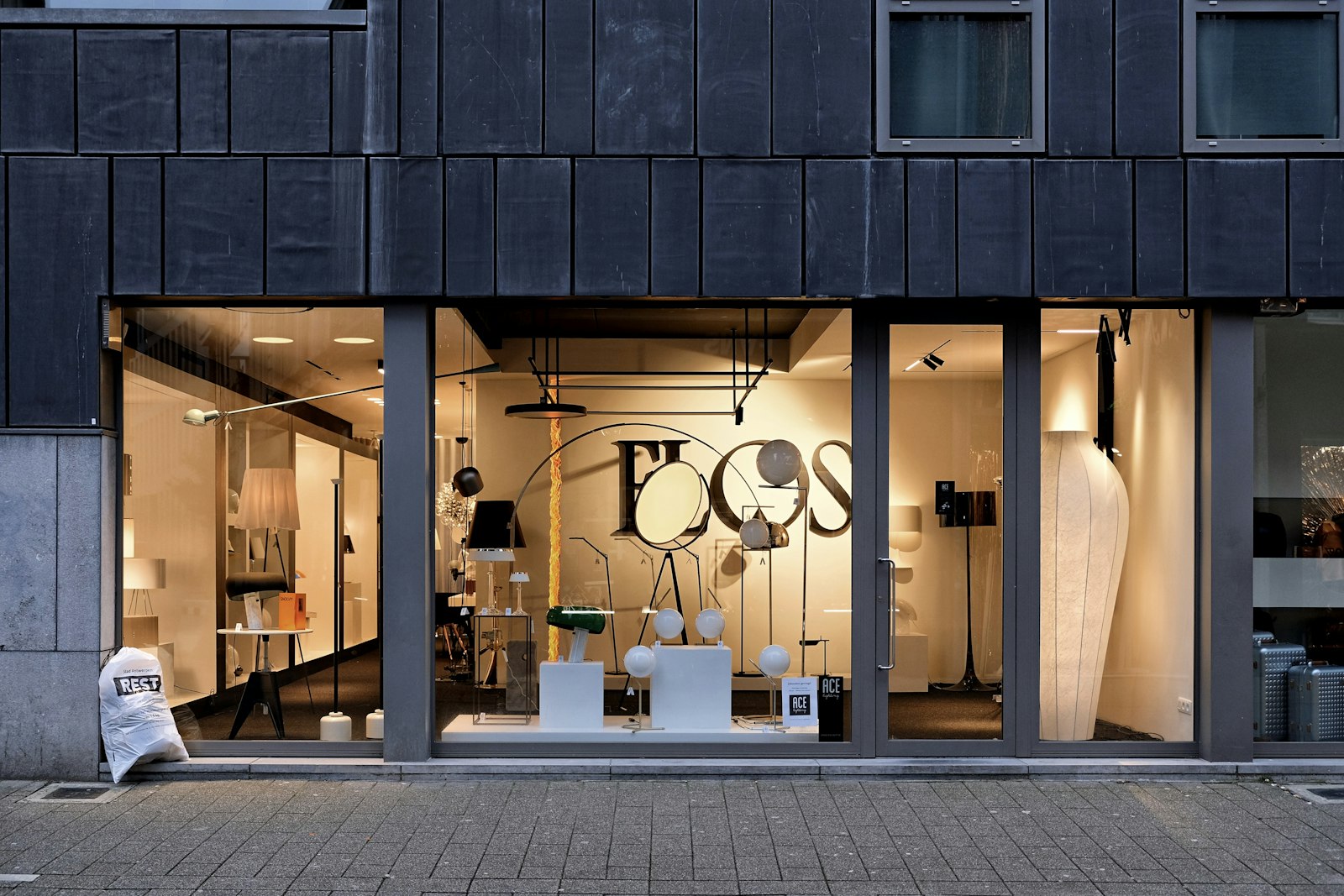
Now think about how much time your visual merchandising team spent on the window display you just walked past.
What does your store sound like in the first 10 seconds? #
Paco Underhill spent decades studying how shoppers move through retail spaces. One of his most durable findings: customers make snap judgments about a store within seconds of crossing the threshold. They are not evaluating your product assortment. They are reading the room. Lighting, temperature, smell, sound, spatial layout. Shoppers register all of it before they realize they are doing it.
Most operators know this instinctively. That is why the lighting plan gets reviewed quarterly. That is why the visual merchandising calendar runs twelve months ahead. That is why you hired someone to think about the scent in the fitting rooms.
But when it comes to audio, the same operators who agonize over fixture placement are running a $35-a-month subscription they set up three years ago. Nobody owns it. Nobody measures it. Nobody knows whether it is helping or hurting.
Why Customers Leave Faster Than They Used To #
Retail foot traffic patterns have shifted since 2020. Average visit duration is down across most lifestyle retail categories, even in stores where traffic counts have partially recovered. Operators see it in the data: customers are coming in, scanning quickly, and leaving.
The instinct is to blame the merchandise or the economy. Sometimes that is right. But there is a simpler, more common explanation that most operators overlook: the store does not feel like a place worth being in.
Customers respond to every sensory detail in the store, whether you manage it or not. When the lighting is harsh, the temperature is wrong, or the music feels like it belongs in a different store entirely, they register the mismatch. They do not articulate it. They just leave sooner.
Ronald Milliman demonstrated this in a controlled field study in 1982. When he changed only the tempo of background music in a grocery environment, customer movement speed changed with it. Slow tempo, longer visits. Fast tempo, shorter visits. The customers did not report noticing the music. Their behavior changed anyway.
Forty years of research since then points in the same direction. Customers stay longer and spend more when the audio fits the space and the shopper. When it does not, they leave sooner and buy less.
Flagship Versus Mall: Same Brand, Different Planet #
VP-level retail operators who run both flagship and mall locations already know what this feels like from the inside. The flagship feels intentional. Every detail serves the brand. The mall location feels thinner, like a version of the brand that got edited down for the format.
The visual merchandising team usually gets the blame for this gap, but they are doing the same work in both locations. The real difference is often in the details that nobody owns. The audio environment in a flagship tends to get more attention because the GM cares, or because the store was part of a brand relaunch where someone thought about sound for a few weeks. The mall location gets whatever the regional default is.
The result: two stores carrying the same product, with the same staff training, sending completely different signals to the customer in those first 10 seconds. One says “stay.” The other says “this is just a store.”
Making a mall location feel like a brand destination does not require a flagship budget. It requires the same discipline you already apply to visual merchandising, extended to the parts of the environment you are currently ignoring.
The gap between what you spend on visual merchandising and what you spend on audio tells you how much of the customer experience you are actually managing.
What Operators Are Starting to Do About It #
A growing number of multi-location retailers are treating in-store audio the way they treat lighting and visual displays: as a managed variable with measurable business impact. The approach varies. Some start by simply auditing what they have. Others look for providers who can tie audio conditions to the performance data they already collect from traffic counters and POS.
The retailers who are furthest ahead share a few traits. They have someone who owns the audio environment the way a merchant owns the floor plan. They correlate audio conditions with dwell time and conversion at the store level. And they treat the music in their stores as part of the brand, not as background filler that runs on autopilot.
The technology to do this well has changed in the past two years. AI-generated music has reached the quality threshold for commercial retail use, which means original soundtracks can be built for specific store environments without the licensing overhead and catalog limitations that held back earlier approaches. Measurement tools that were previously only available to the largest enterprise retailers are becoming accessible to mid-market chains.
What You Can Do This Week #
Pick three stores. Walk in at different times of day. Stand near the entrance for 30 seconds and write down what you hear. Then ask three questions:
Who chose this music? What informed the choice? How do we know whether it is working?
If you cannot answer the third question, you have found the gap. Your visual merchandising has data behind it. Your floor plan has data behind it. Your staffing model has data behind it. Your audio environment is running on gut feel and a subscription nobody reviews.
That gap is where your competitors will find an edge before you do.
Entuned brings measurement and intentional design to in-store audio. Entuned Free is open to start — no credit card, no commitment.
For the retail leader view of why this matters, see the retail leaders page. For the full research picture behind how audio affects customers, see how music affects customer behavior in retail.