Most people who think about dwell time think about what happens inside the store. Someone stays longer, they see more product, they spend more. That math is straightforward and well-documented. Milliman showed it in 1982. Slow the tempo, extend the visit, watch the receipts go up.
But there’s a second thing happening that almost nobody talks about, and it has nothing to do with the person inside the store.
Are you missing the second sale you already made? #
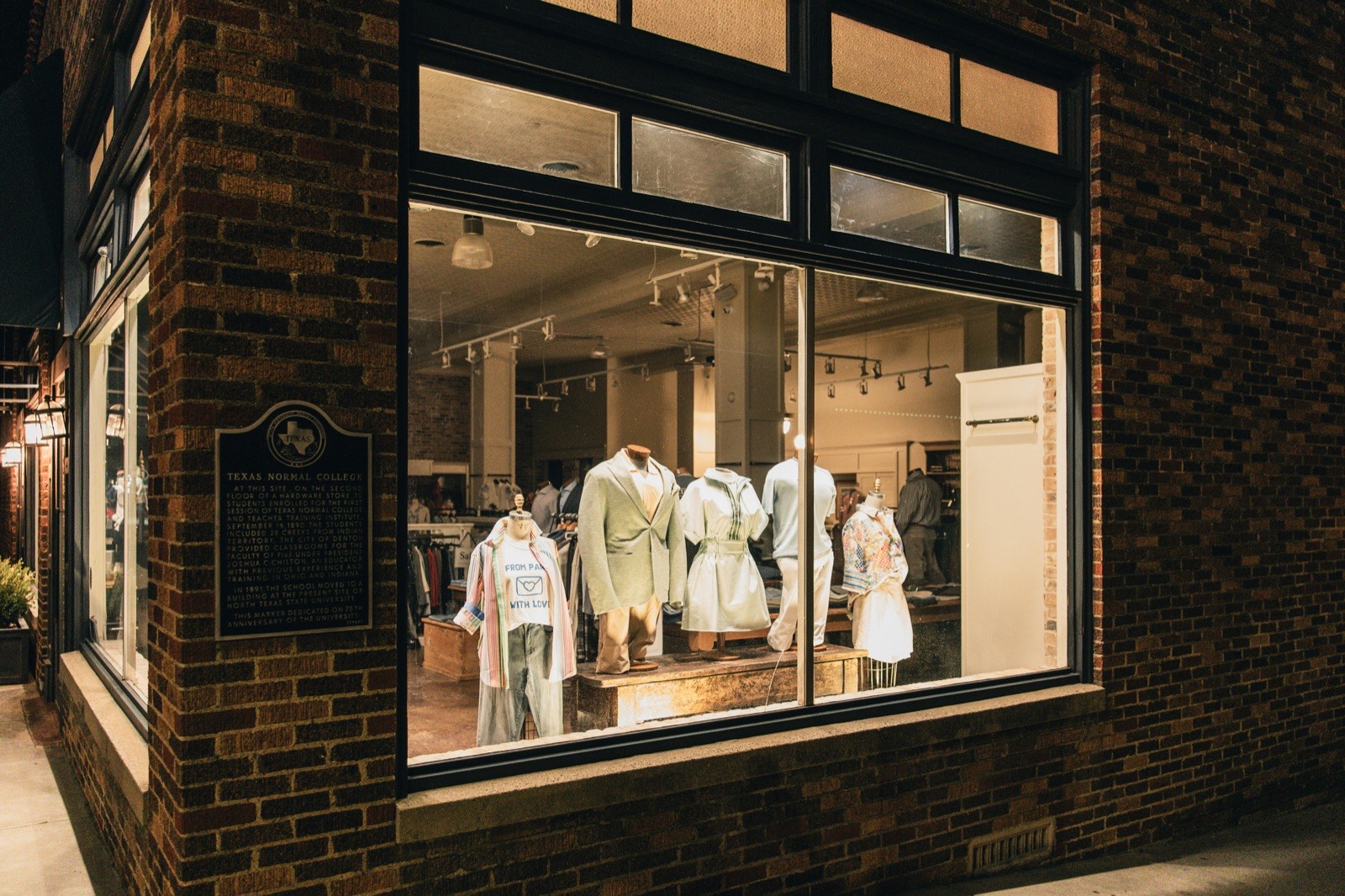
Walk down any retail street and watch yourself do it. You glance into the stores as you pass. Not all of them. The ones with glass. The ones where you can see in. And what you’re doing, without any conscious effort, is counting. How many people are in there? What do they look like? Are they browsing or are they leaving? You’re making a judgment call about whether this place is worth your time, and the primary evidence you’re using is the behavior of strangers.
This is social proof at its most mechanical. Robert Cialdini formalized the principle decades ago, but the restaurant industry figured it out long before the research existed. Seat people near the windows. A dining room with visible customers tells the sidewalk a story that no sign, no menu board, no Yelp rating can tell as efficiently: people chose to be here, and they’re still here.
The high-end version of this is even more deliberate. Certain restaurants don’t just seat people near the windows. They seat their most attractive guests near the windows. The signal shifts from “people are here” to “people you want to be around are here.” Social proof and aspiration working the same window, hitting different parts of the brain.
Now take that mechanism back to retail. One person visible inside a boutique is some proof. Enough to catch a glance. Five people starts to look like something worth investigating.
Compounding from the Inside Out #
A retailer who uses slower, more intentional music to extend dwell time isn't just producing longer visits. That retailer is producing a storefront that looks busier to the street.
If you extend the time each customer spends in your store, you’ve increased the probability that any given passerby will see people inside when they glance through the glass. That’s not just a dwell time gain. That’s a foot traffic gain. And the foot traffic gain puts more people inside the store, which means the next passerby sees an even fuller room. Each additional person who walks through the door because of what they saw through the window becomes part of the signal for the person behind them.
This is a compounding effect that most retailers have never measured because they’ve never had a reason to separate it from general foot traffic. The people who walked in because of the sandwich board and the people who walked in because the store looked alive are all the same number in the sensor data. But the causes are different, and only one of them is something you can influence from inside the building.
The Ceiling #
Anyone who’s walked past a store that looked uncomfortably packed knows the feeling. A full store is interesting. A crammed store is a chore. Passersby read the crowd as a signal of value up to a point, and then they read it as “come back later.”
Knoferle, Paus and Vossen published research in 2017 showing that retailers can alleviate the negative spending effects of high social density by shifting the music. Faster tempos, specifically. The same slow tempo that a store benefits from on a quiet Tuesday afternoon becomes the wrong call when the floor is packed on a Saturday. What keeps people comfortable and browsing needs to change when the room fills up.
Which means the ideal version of this is a store that can read its own density and adjust. Slow the music when the room is thin. Speed it up when the room gets crowded. Keep the storefront in the range where visible activity attracts rather than repels, and do it without anyone on staff having to think about it. That’s a real-time problem. And your brand manager isn’t solving it with the playlist they put together in January. The store needs to become an instrument, not a set.
For the specific research on dwell time and spending, see the results page.