You walk into one of your stores on a Tuesday afternoon. Traffic is normal. Staff is fine. Inventory looks right. But conversion is down three points from the location across town that has the same floor plan and the same merchandise.
You check everything you normally check. Staffing ratio. Signage. Window display. You walk the floor twice. Nothing jumps out.
You probably do not check the music. Almost nobody does.
Does your store's music actually matter? #
In 1982, a researcher named Ronald Milliman published a study in the Journal of Marketing that showed something straightforward: the tempo of background music in a supermarket changed how fast customers moved through the store and how much they spent. Slower tempo, longer visits, bigger receipts.
That study has been cited hundreds of times. Dozens of follow-up studies confirmed and extended the findings across different retail formats, different countries, different decades. The relationship between specific musical properties and customer behavior is one of the more well-documented findings in consumer research.
And almost nobody in retail operations has done anything with it.
Why operators never picked this up #
The reason is practical. A VP of Store Operations who reads that study cannot call their music provider and say “give me something that increases dwell time by 12%.” Traditional providers do not think in those terms. They think in genres and moods and playlists. The provider picks a vibe. The store plays it. Nobody measures what happens next.
So the findings stayed in journals. And operators kept managing every other variable in the store while leaving one of the biggest sensory inputs on autopilot.
Meanwhile, the music vendor contract renews every year. The playlist repeats. The staff turns it down or changes it. Customers walk in, hear something that does not match the brand or the moment, and walk out faster than they should. Nobody connects those dots because nobody is looking at them.
What changes when somebody starts measuring #
The retailers who have started treating music as a measurable variable report the same thing: they had no idea how much influence it carried. Dwell time shifts. Basket size shifts. The afternoon lull changes shape. The differences are not subtle when the comparison is controlled.
Researchers published these findings four decades ago. The vendor market never built tools to act on them. Meanwhile, retailers already pay for sensor data and analytics platforms that could close the gap, but nobody has connected the two until recently.
That connection is now possible. Generative AI can produce original music to a specific behavioral brief, not just pick from a catalog. And the analytics infrastructure that tracks foot traffic and conversion can track what happens when the music changes.
What you can do this week #
Walk three of your stores at different times of day. Stand at the entrance for ten seconds and listen. Ask yourself whether what you hear matches the customer you are trying to attract at that hour. Ask your staff what they think of the music. Ask your store managers whether they have ever changed it.
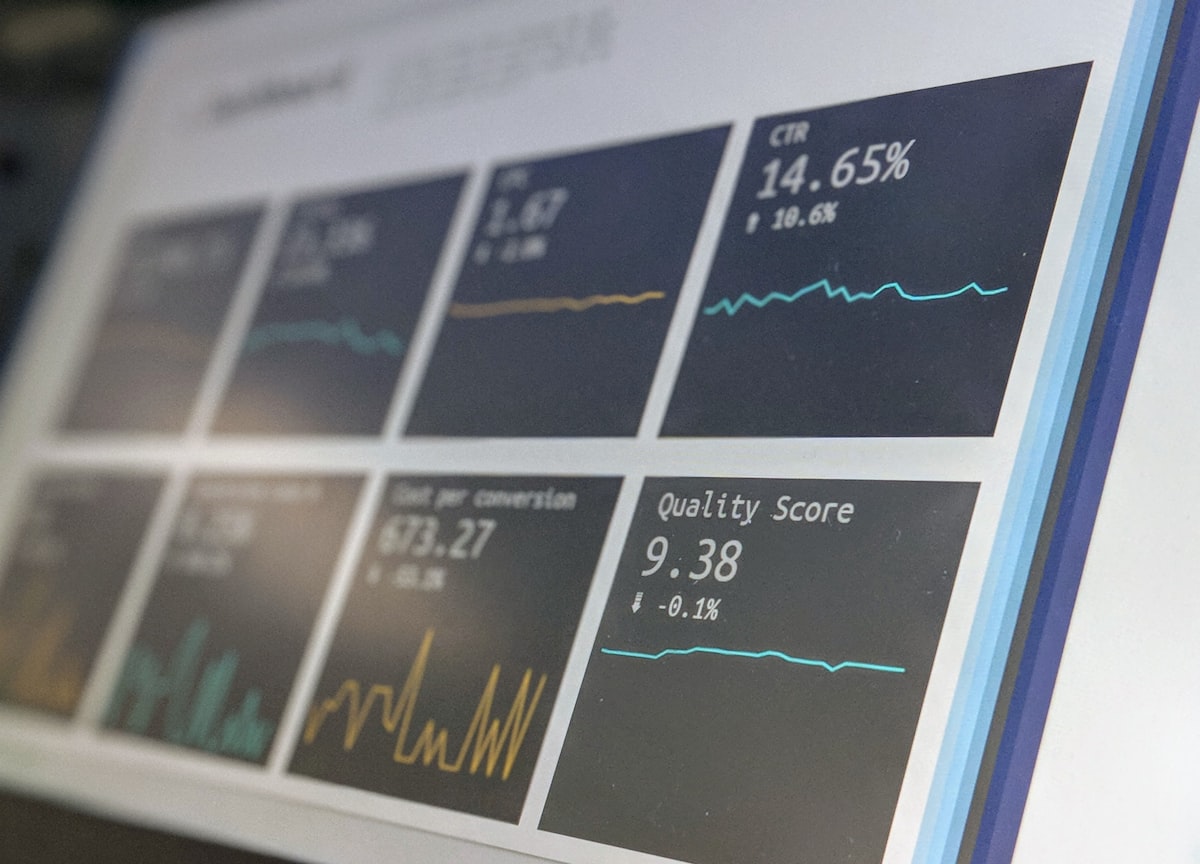
Then pull up your traffic and conversion data for those locations. Look at the hourly patterns. Look at the days where conversion dropped without a clear cause. You will not be able to prove that the music was the variable. But you will start noticing how many of those unexplained swings happened in stores where nobody was paying attention to the one sensory input that runs all day, every day, with zero accountability.
Researchers settled decades ago that the music matters. The only open question is whether anyone at your company is measuring it.
The deeper academic record on music and shopper behavior is catalogued on the science page.