You probably already know who your best customers are. They come in with intent. They have taste, a budget, and a reason to be there. They pick things up, consider them, and buy. They also tend to leave faster than the customers who are just browsing.
That pattern looks normal from the outside. Decisive shoppers move quickly. Browsers linger. But if you watch closely, something else is happening. Your best customers are not just decisive. They are being moved through the store at a pace they did not choose.
Why are your best customers leaving sooner than they should? #
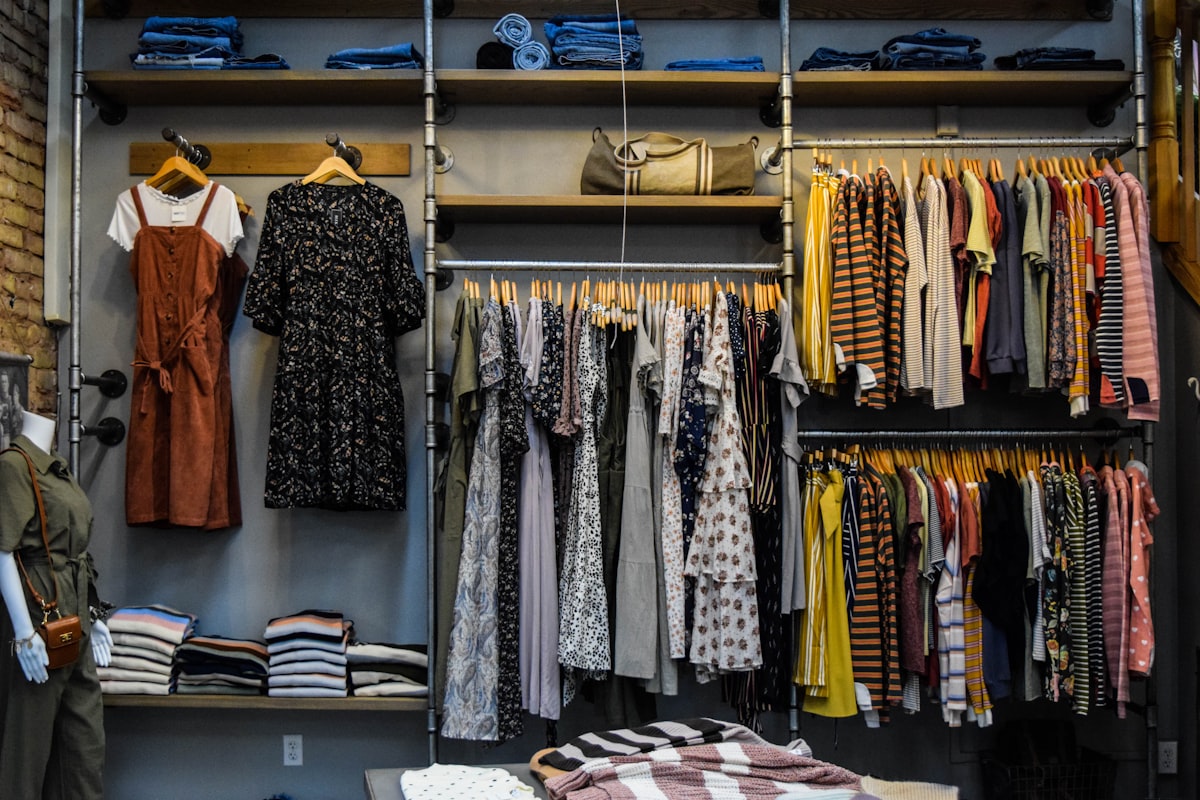
Walk into one of your stores at 2 PM on a Wednesday. Stand near the entrance for five minutes. Watch people come in. Count how long they stay before they reach the register or walk out. Then pay attention to what is playing on the speakers.
Most retail audio runs on autopilot. A playlist was set up months or years ago, and nobody has touched it since. The music plays at whatever pace the playlist dictates. On a slow Tuesday afternoon, the store might be playing tracks that belong in a Saturday morning rush. During the golden hour before close, when your highest-value shoppers tend to arrive, the audio might be pushing a pace that belongs in a coffee line.
Ronald Milliman published a study in 1982 in the Journal of Marketing that tracked what happened when grocery stores changed the pace of their background music. Customers exposed to slower music stayed longer and spent more per visit. The customers themselves did not notice the change. They just moved differently.
That finding has been replicated in restaurants, department stores, and specialty retail over four decades of research. The mechanism is straightforward. People unconsciously match their movement to the rhythmic pace of what they hear. A store full of fast-paced tracks produces faster-moving customers. Faster-moving customers skip the second look, the impulse add-on, the consideration pause that turns a $60 visit into a $140 visit.
Where operators look instead #
When dwell time drops, the Monday meeting usually starts with layout, staffing, and merchandising. Someone suggests moving the display table. Someone else wonders about the traffic counter placement. Those are reasonable places to look, and sometimes they are the right answer.
The audio environment almost never comes up. That is partly because nobody owns it. Store managers might have a login to the music service. Regional VPs do not ask about it in their store visit debriefs. The quarterly business review covers conversion, traffic, average ticket, and sell-through. Nobody has a slide for “what does the store sound like during peak hours.”
The problem is not that operators are ignoring audio on purpose. The problem is that audio has been a constant for so long that it disappeared from the list of variables anyone thinks to adjust. Your analytics platform tracks every variable that changes. A variable that never changes never shows up in the variance report.
What changes when someone pays attention #
Operators who start treating their audio environment as a variable, rather than a set-and-forget subscription, tend to notice the same things. Customers stay longer during hours that used to feel rushed. Staff stop turning the volume down or switching the channel. The store feels more like it belongs to the brand instead of sounding like a generic retail space.
The dwell time gains are real, and they show up in the metrics operators already track. A customer who stays three extra minutes in a boutique or specialty store is more likely to buy, more likely to add, and more likely to come back. That math is straightforward. The harder part is admitting that the variable responsible was sitting in plain sight, running on a speaker nobody thought about.
Something to try this week #
Pick three stores. Visit each one during your highest-value traffic window. Stand inside for ten minutes. Write down what you hear. Then pull the dwell time data for that same window over the past 90 days. Ask yourself whether anyone has changed the audio in that period. If the answer is no, you have found a variable that has been holding still while everything else in your store was being tested and tuned.
The results page breaks down what the dwell-and-spending research actually shows. And the retail conversion rate playbook covers the levers that keep more of those visits from ending without a purchase.