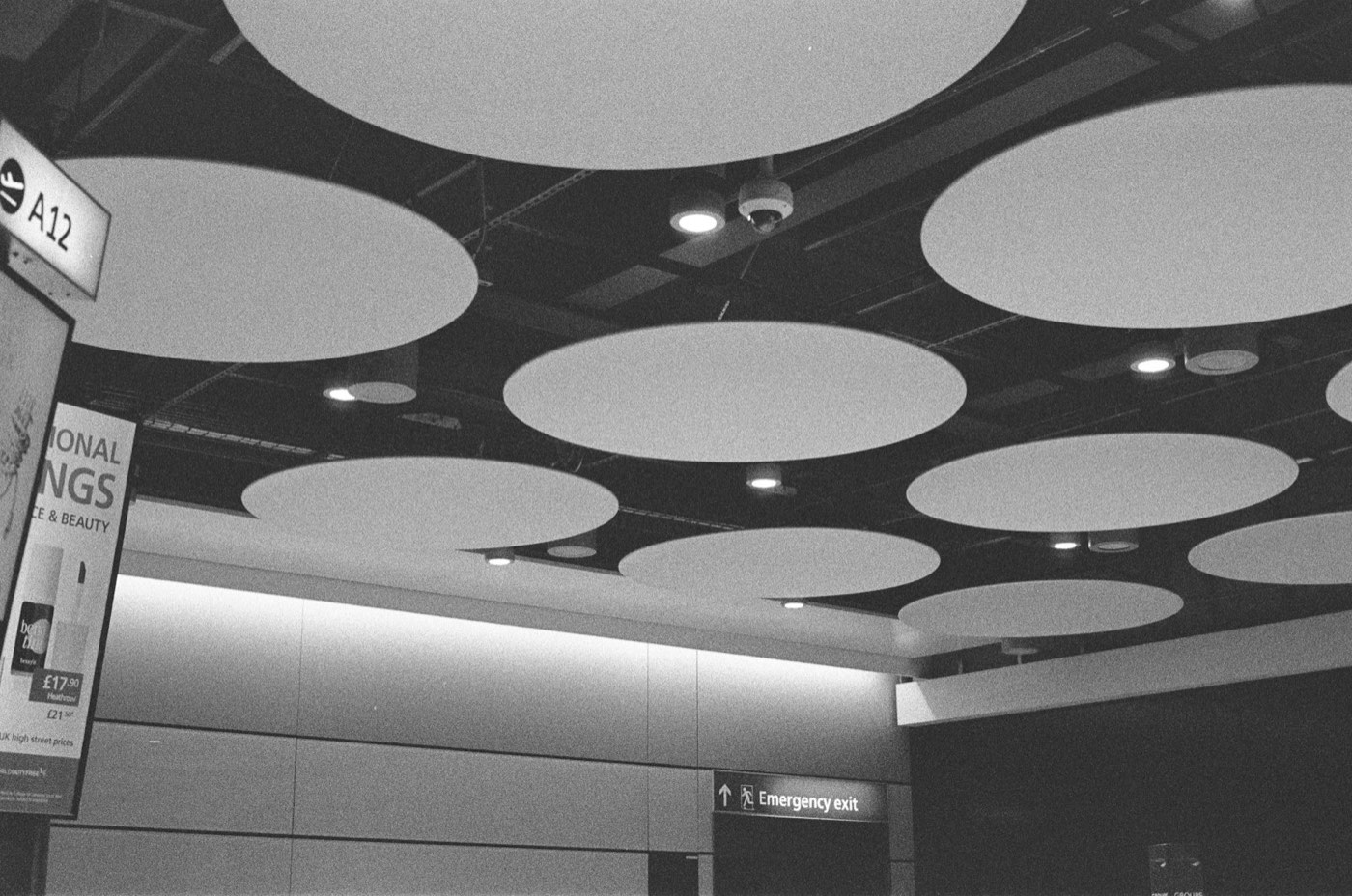
Walk into a department store in 1975 and look up. You’d see fluorescent tubes, evenly spaced, mounted in a drop ceiling. The goal was visibility. Could the customer see the merchandise? Could the employee read the price tag? If yes, the lighting was done. There was nothing else to discuss.
The fixtures were specced by the building engineer, not the merchandising team. Color temperature, beam angle, color rendering index. None of these terms had entered the vocabulary of retail operations. Light was infrastructure, like plumbing. You needed enough of it, and beyond that, nobody thought about it much.
The first measurements #
In the early 1990s, researchers started doing something that should have happened decades earlier: measuring how lighting conditions affected customer behavior in real retail environments.
The findings were not subtle.
Areni and Kim published a study in 1994 showing that wine store customers selected more expensive bottles under brighter lighting conditions. The price difference was significant. The customers didn’t report noticing the lighting. They described their selections as personal preference.
Summers and Hebert found that shoppers touched more merchandise and spent more time in areas with higher lighting levels. Bellizzi, Crowley, and Hasty demonstrated that color temperature affected arousal and approach behavior, that warm light and cool light were producing different physiological states in the people standing under them.
This research was modest in scale and slow to circulate. The retail industry in the 1990s was not organized to receive findings from environmental psychology journals. The people designing stores and the people publishing lighting studies occupied different worlds. But the findings kept accumulating, and a handful of designers and consultants started paying attention.
What was actually happening #
The mechanism is straightforward once you see it. Light affects the human visual system at a level below conscious evaluation. Color rendering determines how a product’s color appears to the eye. A high-CRI light source makes a red sweater look rich and saturated. A low-CRI fluorescent makes the same sweater look muddy. The customer doesn’t think “this lighting has poor color rendering.” The customer thinks “this sweater looks cheap.”
Color temperature affects mood and arousal. Warm light (lower Kelvin, more amber) produces a relaxed, intimate state. Cool light (higher Kelvin, more blue-white) produces alertness. A jewelry store and a convenience store need fundamentally different lighting environments because the emotional context of the purchase is different. The jewelry store wants the customer to slow down and feel something. The convenience store wants them to find what they need and move.
Directionality and contrast create visual hierarchy. A spotlight on a featured product pulls attention. Even, diffused lighting treats everything as equal. The human eye moves toward brightness and contrast involuntarily. Retailers who understood this could choreograph the customer’s gaze through a space without a single sign or sales associate intervening.
The transition #
By the mid-2000s, lighting design in retail had become a professional discipline. Firms like Lighting Design Alliance, Lam Partners, and Illuminating Concepts had retail-specific practices. The major architectural firms employed dedicated lighting designers. Trade publications like Architectural Lighting and Retail Environments ran features on best practices. The industry had its own awards, its own conference circuit, its own body of case studies.
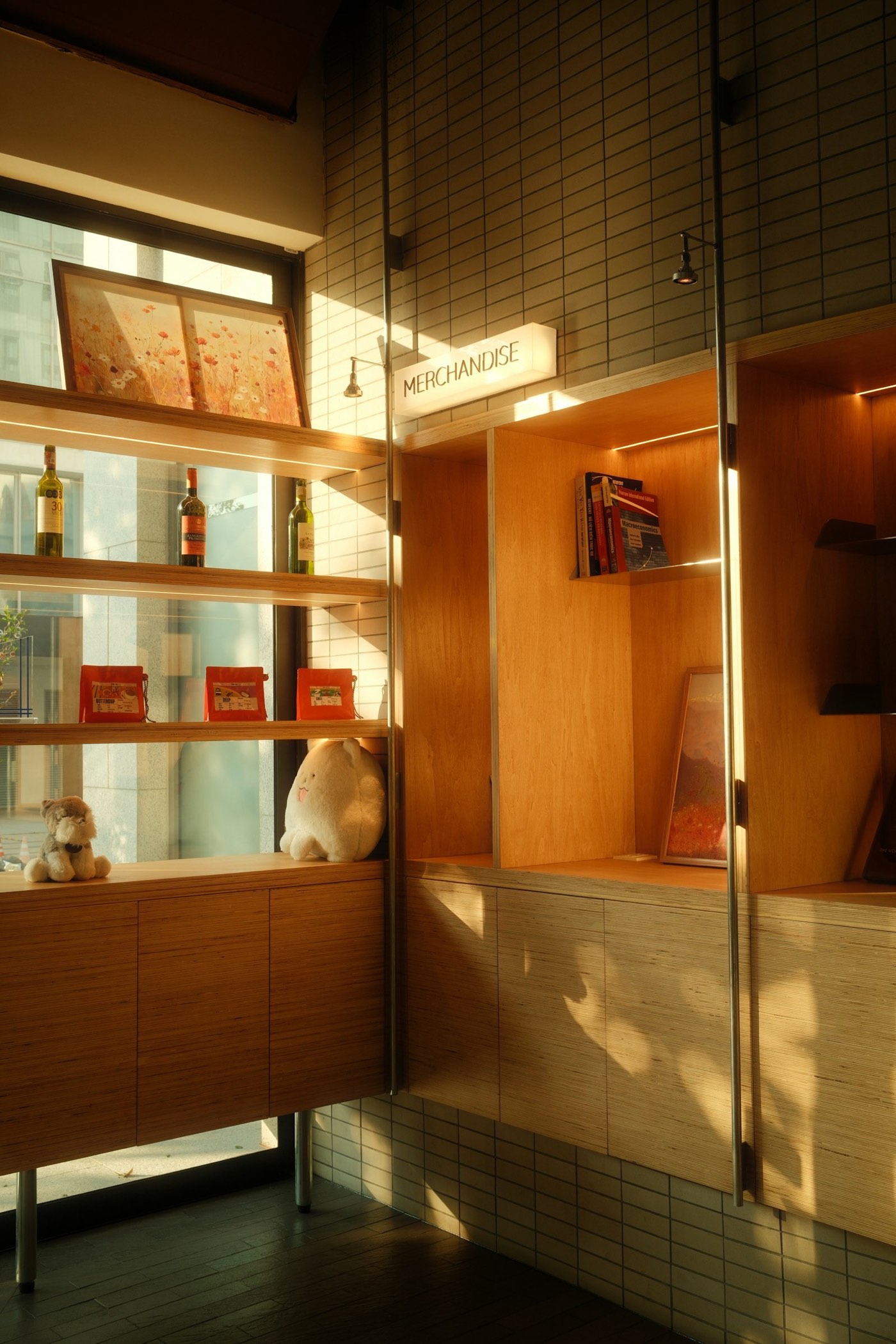
The cost side of the equation shifted too. LED technology made it economically feasible to install lighting with precise color temperature control, dimming capability, and zone-specific programming. A store could run warm, low light in the fitting room area and bright, high-CRI light on the merchandise wall, all from the same control panel. The technology made the knowledge actionable.
Today, no serious retail build-out happens without a lighting plan. The idea that lighting affects customer behavior, product perception, and willingness to pay is so thoroughly established that it barely registers as a claim. It’s a line item, a specification, a profession.
The familiar shape #
Fifteen years ago, “lighting design” in most retail contexts meant picking a fixture and spacing it evenly. Today it’s a discipline with measurable ROI, dedicated consultants, and a recognized seat at the design table.
The timeline is fast. The amnesia is already setting in. Ask a retail designer whether lighting matters and they’ll look at you like you asked whether gravity is real. Ask them when it started mattering and most of them will shrug. It feels like it always did.
It didn’t.
The research that made lighting a recognized retail variable was published in the same journals, by the same kinds of researchers, using the same kinds of controlled studies, as the research on every other example in this series. Someone pointed a measurement instrument at something everyone assumed was handled and found that it was doing far more work than anyone had accounted for. The people closest to the existing practice were the slowest to incorporate the findings. And once the transition happened, the previous era became invisible.
There is one more environmental variable in every retail space that follows this exact pattern. It’s playing right now, in your store, doing work that no one is measuring. The final post in this series is about that.