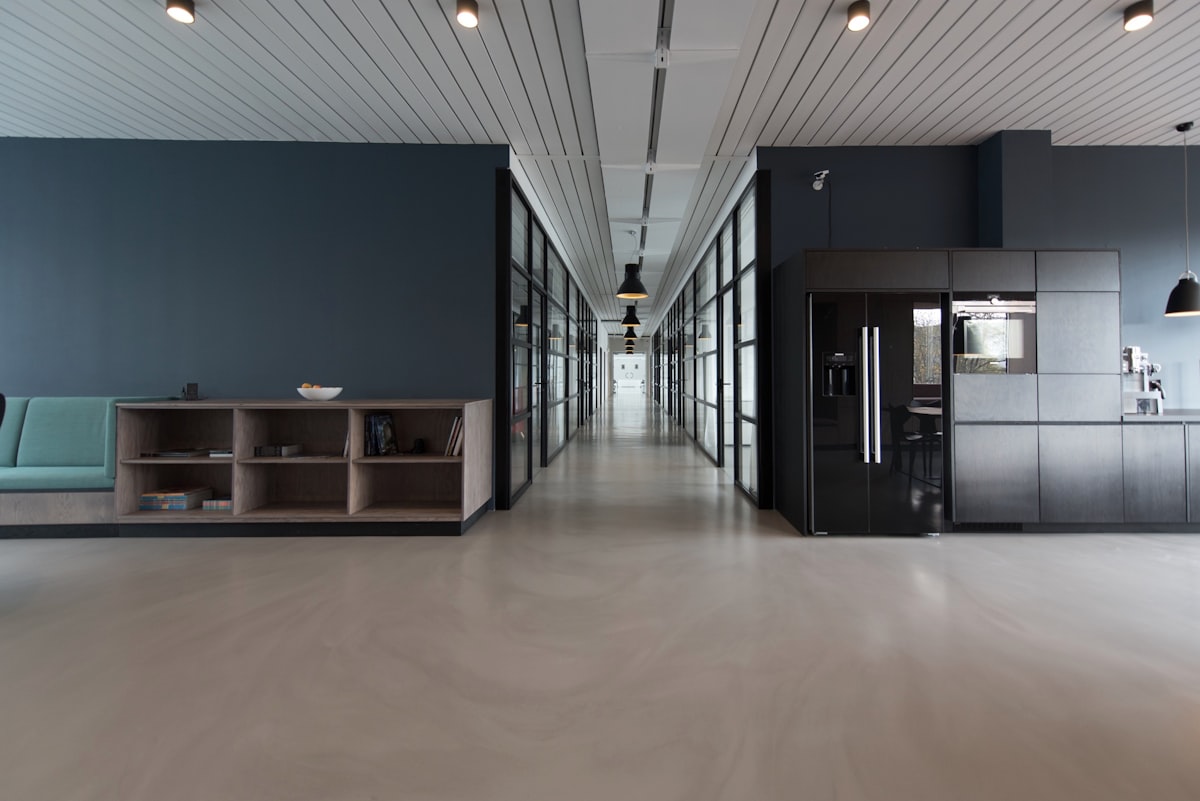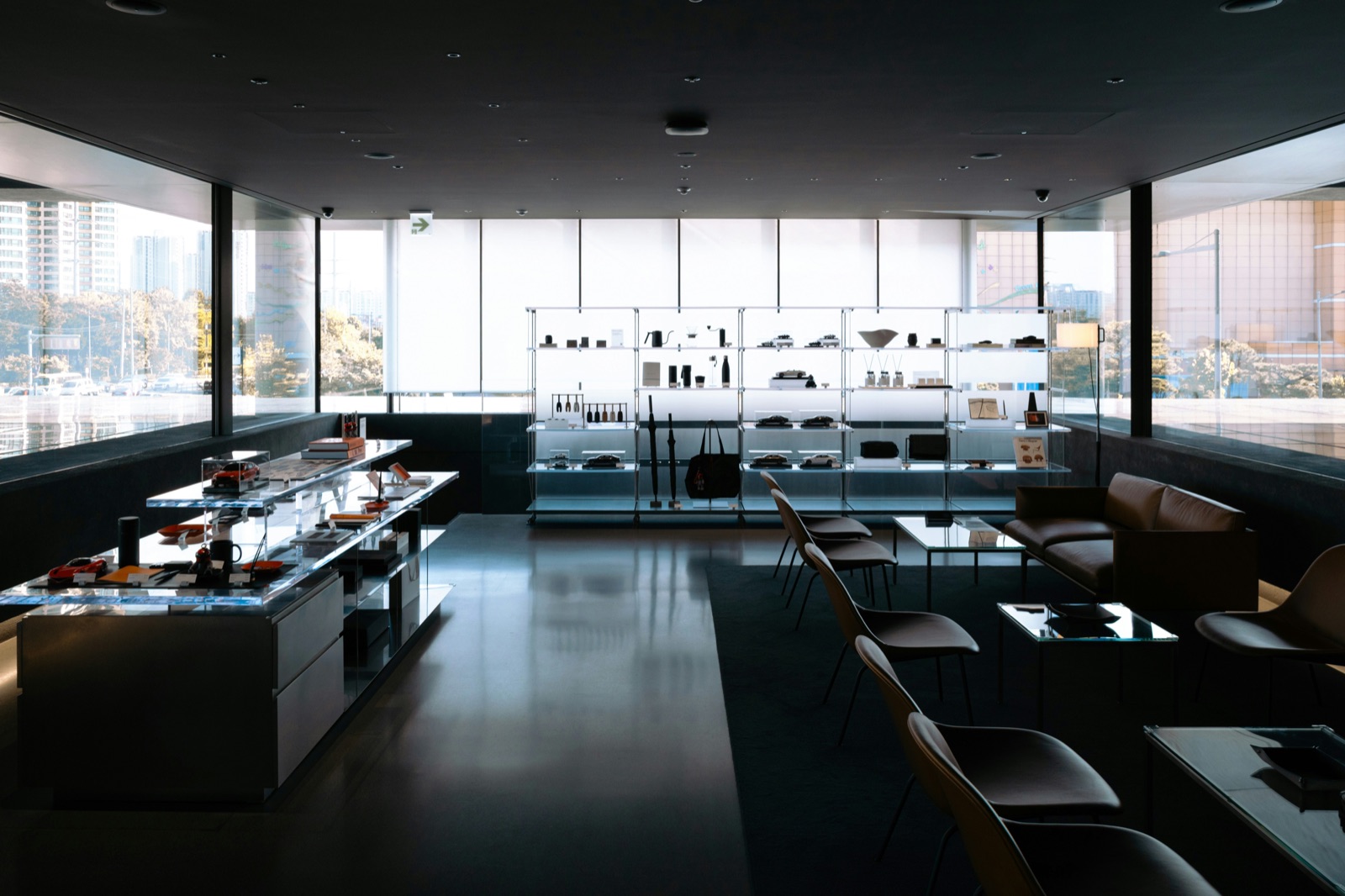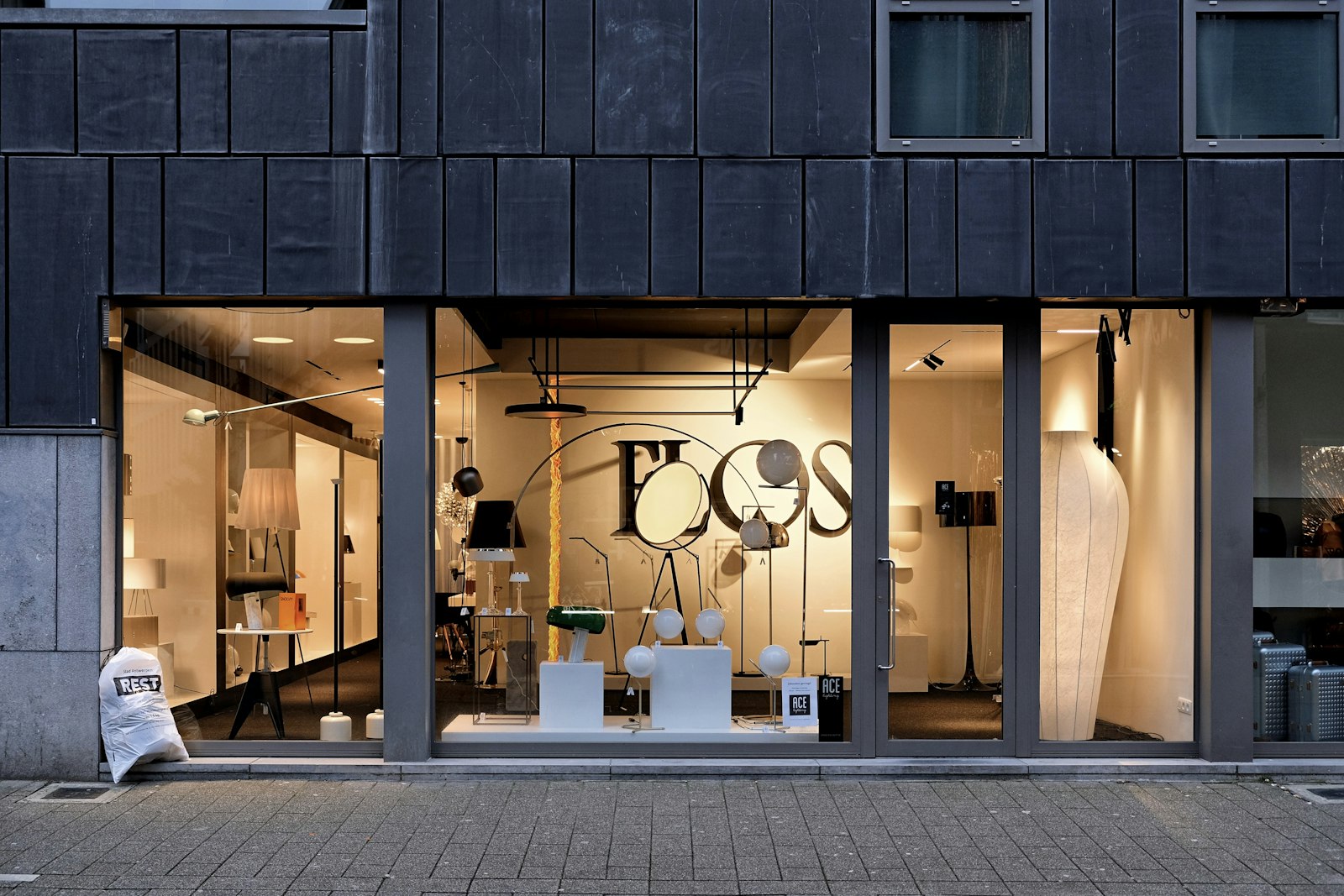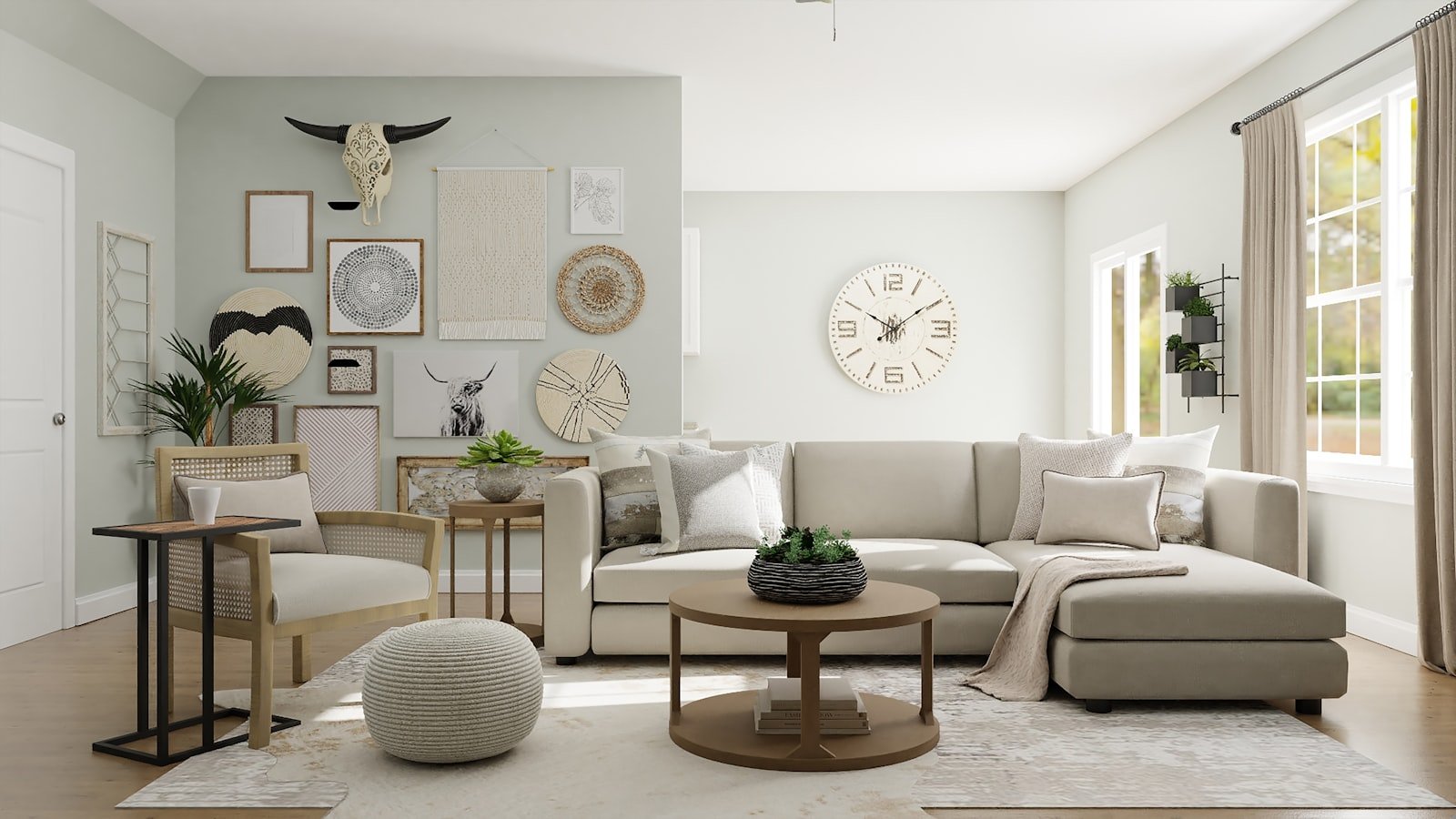
Walk into any well-run lifestyle retail store and count the things that were chosen on purpose. The lighting temperature. The fixture materials. The scent in the air. The width of the aisles. The height of the tables. Someone made a decision about every one of those details, and someone else approved a budget for it.
Now listen. What you hear is almost certainly a playlist that nobody in leadership selected, nobody measured, and nobody has revisited since the store opened. That gap between the intentionality of the visual environment and the randomness of the audio environment is the single most common sensory mismatch in retail today.
Ten Seconds of Signal #
A customer walking through your door picks up more information in the first ten seconds than most operators realize. The lighting tells them whether the space is relaxed or energized. The scent tells them whether the brand is clean and modern or warm and established. The music tells them whether anyone thought about this part of the experience at all.
Retailers who have invested in scent marketing already understand this. ScentAir serves tens of thousands of locations. Those operators made a conscious choice about what their store smells like, selected a vendor, approved a budget, and rolled it out across locations. The scent is consistent. The scent is intentional. The scent reinforces the brand.
The audio, in most of those same stores, is a $50-per-month subscription to a service that lets someone pick “chill” or “upbeat” from a dropdown menu. Visual merchandising budgets run six figures per location. The music budget wouldn’t cover a single fixture.
When the Signals Disagree #
Mattila and Wirtz published research in 2001 showing that when the energy level of a store’s music matched the energy level of its scent, customers reported significantly higher satisfaction. When the two channels were mismatched, the effect was worse than having no sensory program at all.
That finding matters more than most operators think. A store running a calming lavender diffuser alongside an uptempo pop playlist is not getting a partial benefit from each. The conflict between the two channels actively undermines both. Customers feel something is off. They may not identify the cause. They just leave sooner.
Most retailers running scent programs have never coordinated them with their audio. The scent vendor and the music vendor have never spoken to each other. Nobody is tracking which combinations produce better sales days. The two programs exist in parallel, each managed by a different person, each measured by different criteria, if either is measured at all.
Why does retail still treat sound like a utility? #
Lighting designers specify color temperature in Kelvin and brightness in lumens. Scent designers specify fragrance families and diffusion rates. Both channels have professional vocabularies, dedicated roles, and measurable standards. Sound has genre tags. “Jazz.” “Pop.” “Chill vibes.” The specification tools for audio are decades behind every other sensory channel.
A 10-hour operating day includes 150 to 200 individual tracks. Each one carries different energy, different mood, different associations. The variation within a single day of music is orders of magnitude higher than the variation in lighting or scent. Controlling that variation at the genre level is like controlling lighting by choosing “bright” or “dim” and hoping the Kelvin temperature works out.
Nobody hires a lighting designer and tells them to pick 'bright.' But that is how most stores specify their music.
This is why sound remains the most underinvested sensory channel despite decades of research showing it is among the most influential. The tools to design with sound precisely enough to match what lighting and scent teams already do have not existed for most of the industry’s history. That is starting to change.
What to Do This Week #
Walk your highest-performing store and your lowest-performing store in the same day. In each one, stand inside the door for ten seconds before you do anything else. Notice what you hear. Ask yourself whether the music matches the scent, the lighting, the merchandise on the tables. Ask yourself whether it sounds like someone chose it on purpose. Then walk the other store and compare.
If the two stores sound different and nobody decided they should, that is the gap. And that gap is showing up in your numbers, whether anyone is looking for it or not.
For the retail leader view of why this matters, see the retail leaders page.