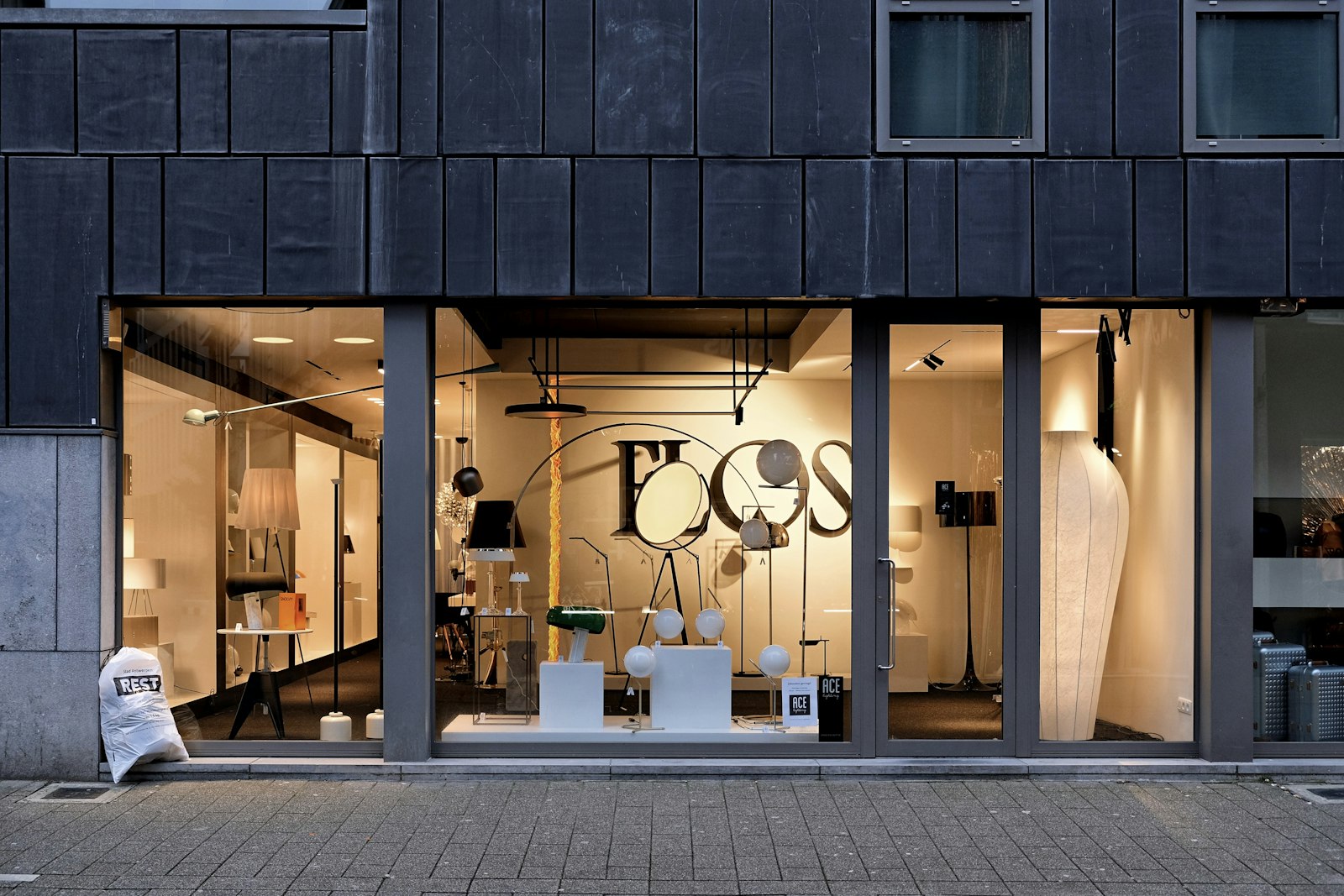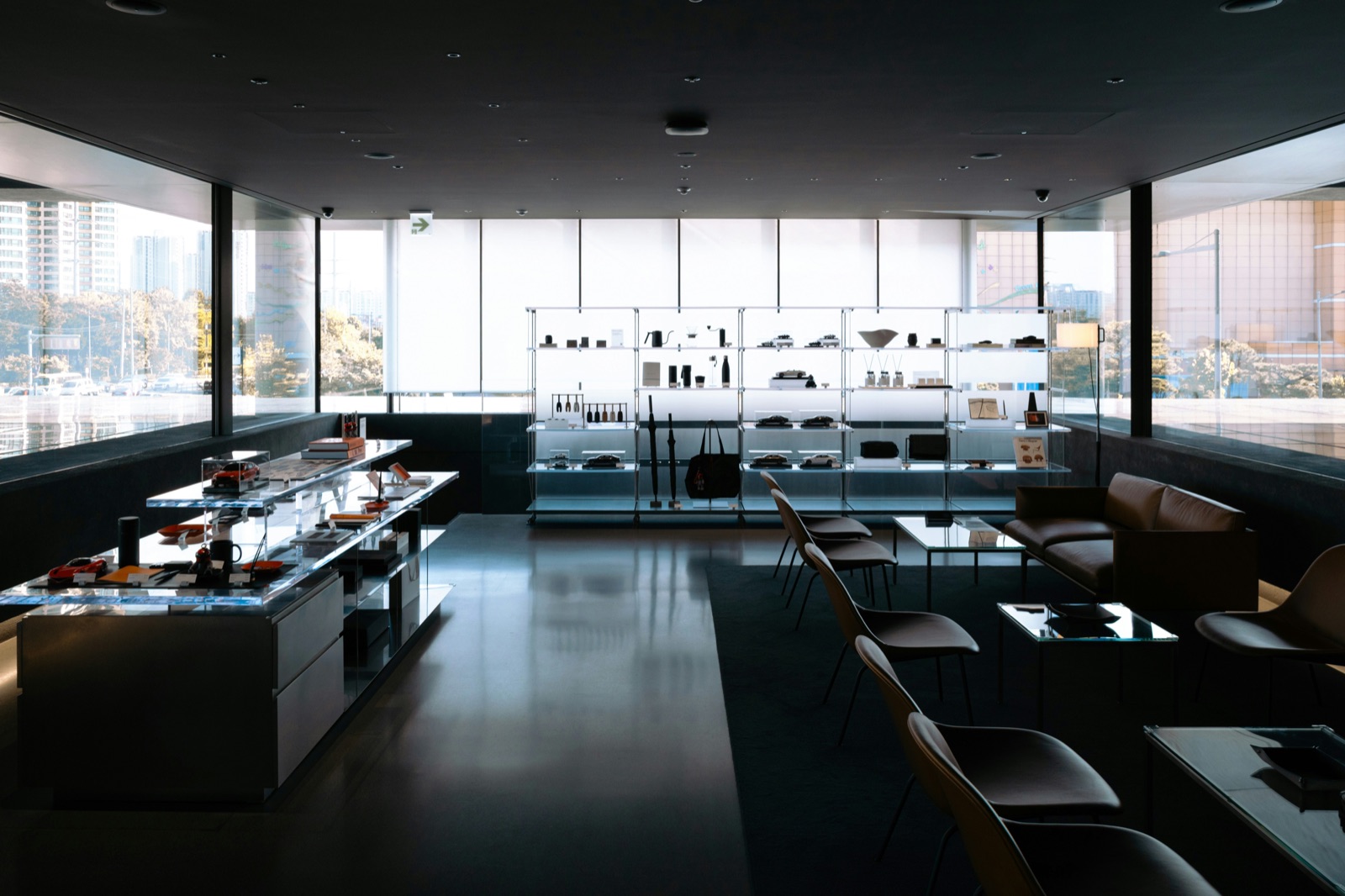
Walk into a store that’s doing it right and you feel it before you understand it.
The light is doing something specific. Not bright, not dim. Calibrated. The surfaces are considered: wood grain here, marble there, a texture on the wall that you probably won’t touch but registered anyway. The staff are dressed in a way that tells you something about the brand before they open their mouths, and the way they move through the floor, unhurried, present, is not an accident. Someone decided that.
This is what a mood board looks like when it comes to life. Every material, every fixture, every human in the room is a choice that either serves the vision or pulls against it. The best retail environments are compositions. And like any composition, one wrong note is all it takes.
Then the music comes on.
Why is store music the one thing retail leaves to chance? #
When the music is wrong, something specific happens to a customer. They stop feeling and start thinking. The spell the environment was casting, that carefully constructed sense of belonging, of being in the right place, breaks. And when it breaks, the customer doesn’t stay in the experience. They step outside it. They start critiquing what has been put in front of them.
“Who is in charge of this?” is not a thought that leads to a purchase.
You go from feeling considered to evaluating whether you are. That shift is the cost. It happens fast, faster than most retailers realize, because they’re rarely standing on their own floor with fresh eyes when the playlist rolls over into something that has no business being there.
When the music is wrong, the customer stops feeling and starts thinking. That shift is the cost.
When the Music Is Right #
When the music is right, the customer doesn’t notice it. That’s how it works.
What they notice instead is that they feel like they’re in the right place. The music is doing something underneath the conscious experience, something closer to a current in a river than a song on a speaker. It carries people. Toward the back of the store, toward a second look at something, toward a mood that opens them up rather than closing them down.
The customer doesn’t trace any of that back to the music. They just buy the jacket.
Why This Gets Left to Chance #
The honest answer is that most retailers trust their taste. And taste feels like enough, right up until you’re three tracks into building a playlist and you’ve forgotten who your customer is. The intention was good. The execution defaulted, almost immediately, to personal favorites. Songs that feel right to the person building the list, which is a different person from the person standing in the store.
Nobody admits this. But the playlist tells the story.
Beyond that, there’s no outcome-based thinking in this process at all. Nobody building a retail playlist is asking how this affects how long customers stay, or how deliberately they consider the products in front of them. Those questions have answers. There’s forty years of research on exactly this. But the playlist builder isn’t a musicologist, and even if they were, they’re working with no connection between the music and what the sales data actually does.
Taste Is the Wrong Tool #
Everyone wants to be respected for their taste. Almost uniformly.
Retail music is a game of designing for sales lift, and that game has a much more considered set of rules.
The stores that figure this out stop thinking about music as a playlist problem and start thinking about it the way they think about lighting: as a controllable variable with measurable effects, worth getting right.
For the retail leader view of why this matters, see the retail leaders page.