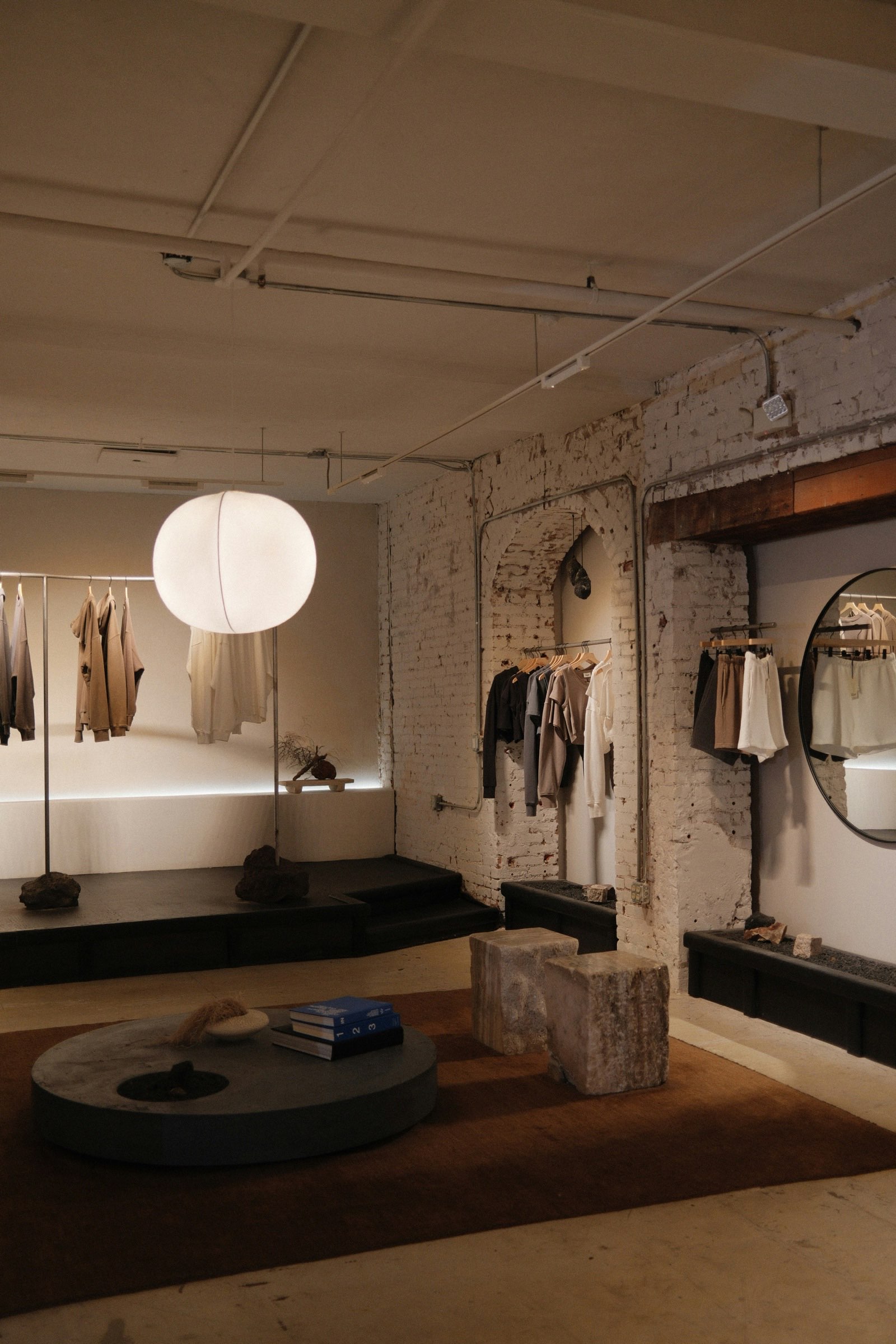
Walk into most home goods stores on a Tuesday afternoon and listen. Really listen. You will probably hear one of two things: a generic ambient playlist that sounds like a yoga studio lobby, or whatever the assistant manager queued up on their phone that morning. Neither one was chosen with any thought about what the customer is actually doing in the store.
That matters, because home goods shoppers are doing something specific. A customer holding a ceramic vase or standing in front of a wall of throw pillows is running a mental exercise. They are picturing their living room. They are trying to see whether this object belongs in their space, with their furniture, under their lighting. That takes concentration.
What music works in a home goods store? #
Apparel shoppers get an immediate answer from their own body. They try something on, look in a mirror, and know within seconds. Home goods shoppers do not get that shortcut. They have to build the picture in their head, and that picture is fragile. A competing sensory input can knock it loose.
Milliman’s research on tempo and shopping behavior, published back in 1982, showed that slower music correlates with customers spending more time in retail environments. That finding has held up across dozens of follow-up studies. For home goods, the implication is straightforward: customers who stay longer encounter more products, consider more combinations, and build larger baskets. Anything that rushes them works against the category.
Vocals are the other common problem. A customer mentally arranging a bookshelf in their apartment does not need someone else’s lyrics competing for their attention. Stores that run vocal-heavy playlists in home goods environments are introducing noise into a process that depends on quiet internal focus.
The spa channel problem #
Most music providers offer a channel labeled something like “ambient” or “relaxation” or “spa.” Home goods store operators gravitate toward these because they sound calm, and calm feels right for the category.
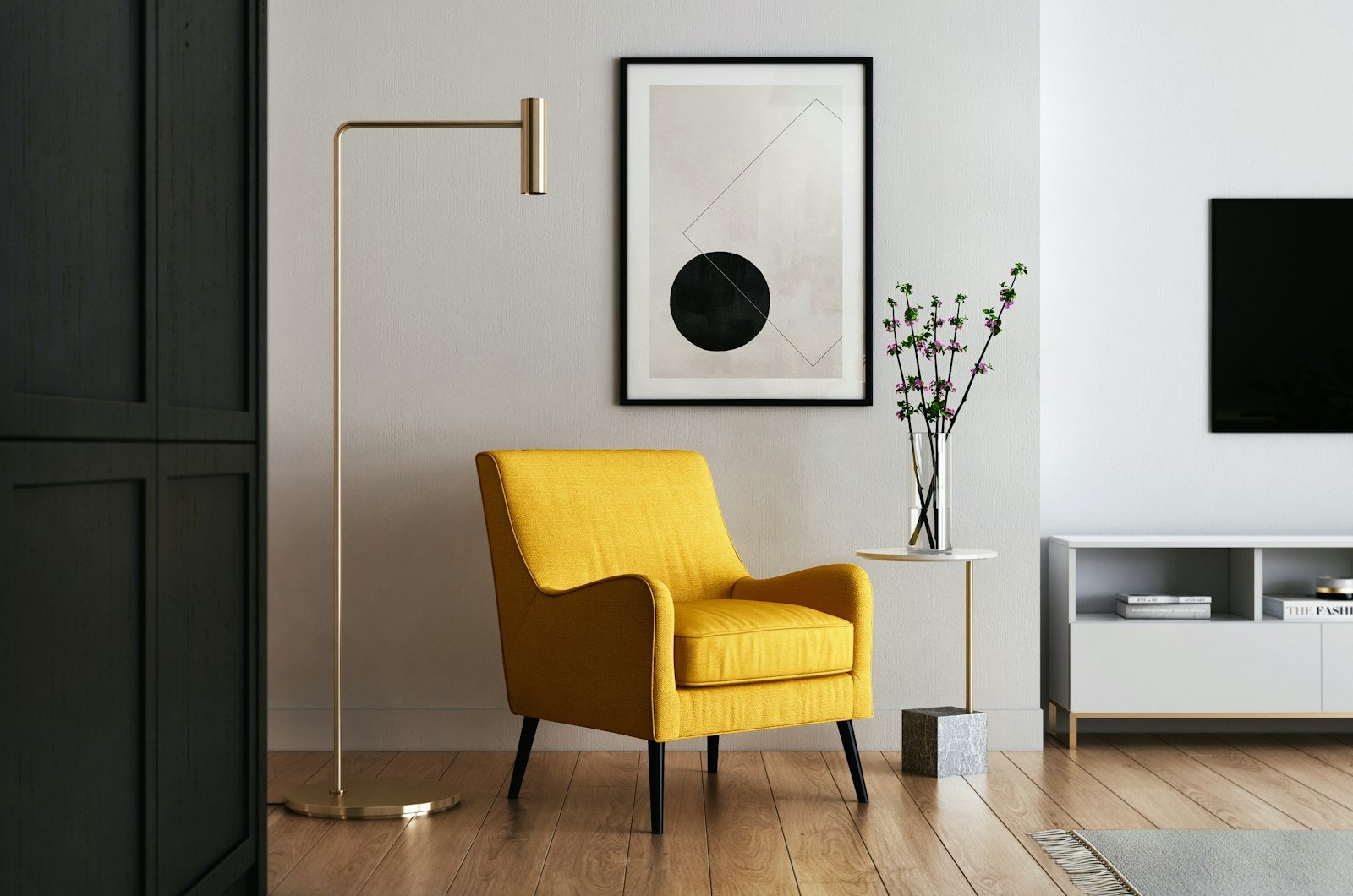
The problem is association. Customers hear spa music and think wellness retail. They picture a massage lobby, a meditation class. A store selling handmade ceramics and linen bedding needs to sound like a well-designed home. Those are different feelings, and customers register the mismatch even if they cannot name it.
The same issue shows up with the store owner’s personal playlist. Home goods founders tend to have strong aesthetic instincts. That is usually why they opened the store. But personal taste and commercially effective audio are separate questions. What you love to cook dinner to and what helps a stranger spend twenty minutes browsing your candle wall are probably not the same thing.
Customers do not notice the music. They notice that the store feels right, that they want to stay, that the products seem to belong together.
What operators can listen for #
Next time you walk one of your stores, try this. Stand near the entrance for sixty seconds and pay attention to what the audio tells you about the space. Does it sound like someone’s home? Does it sound like a retail chain? Does it sound like a waiting room? That first impression is what every customer gets, and most operators have not listened to their own stores in months.
Then watch what happens around your higher-consideration products. Furniture sections, bedding displays, anything where the customer needs time. Are they lingering, or are they passing through? If they are passing through, ask yourself whether the environment is giving them permission to slow down.
Seasonal shifts matter here too. Holiday shopping in a home goods store is higher-energy. Customers are buying gifts, moving faster, working from lists. Spring and summer browsing is more exploratory. Operators who adjust their audio for those rhythms give customers a store that matches their energy. Running the same playlist in December and June tells customers you are not paying attention to what they are doing in your store.
When the audio is right #
A home goods store where the audio is working feels cohesive. The lighting, the product arrangement, the scent if there is one, and the music all point in the same direction. Customers stay longer. They pick things up. They bring a friend back the following weekend. None of that registers as “the music was good.” It registers as “I like that store.”
Mattila and Wirtz published research showing that when scent and music align in a retail environment, shoppers evaluate the store more favorably than when either element is strong on its own. For home goods stores that already invest in visual merchandising and sometimes scent, the audio is often the one element nobody has thought about deliberately.
That gap is worth closing. And most operators already have the instinct for what their store should sound like. They just have not had the tools or the data to act on it.
For more on retail audio for home goods stores, see the home goods page. For specific levers to extend browsing and basket size in home goods retail, see how to increase dwell time in home goods stores.