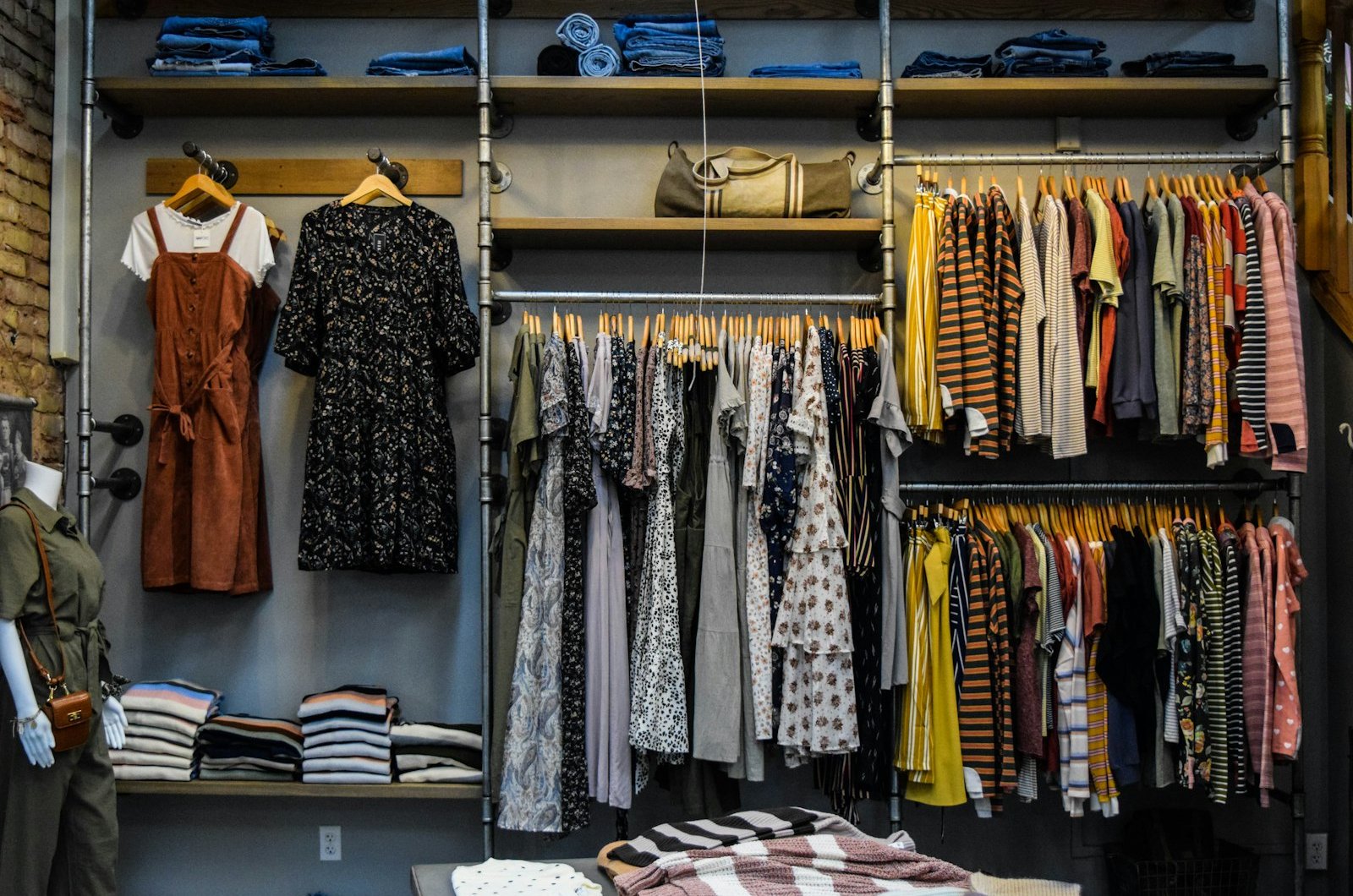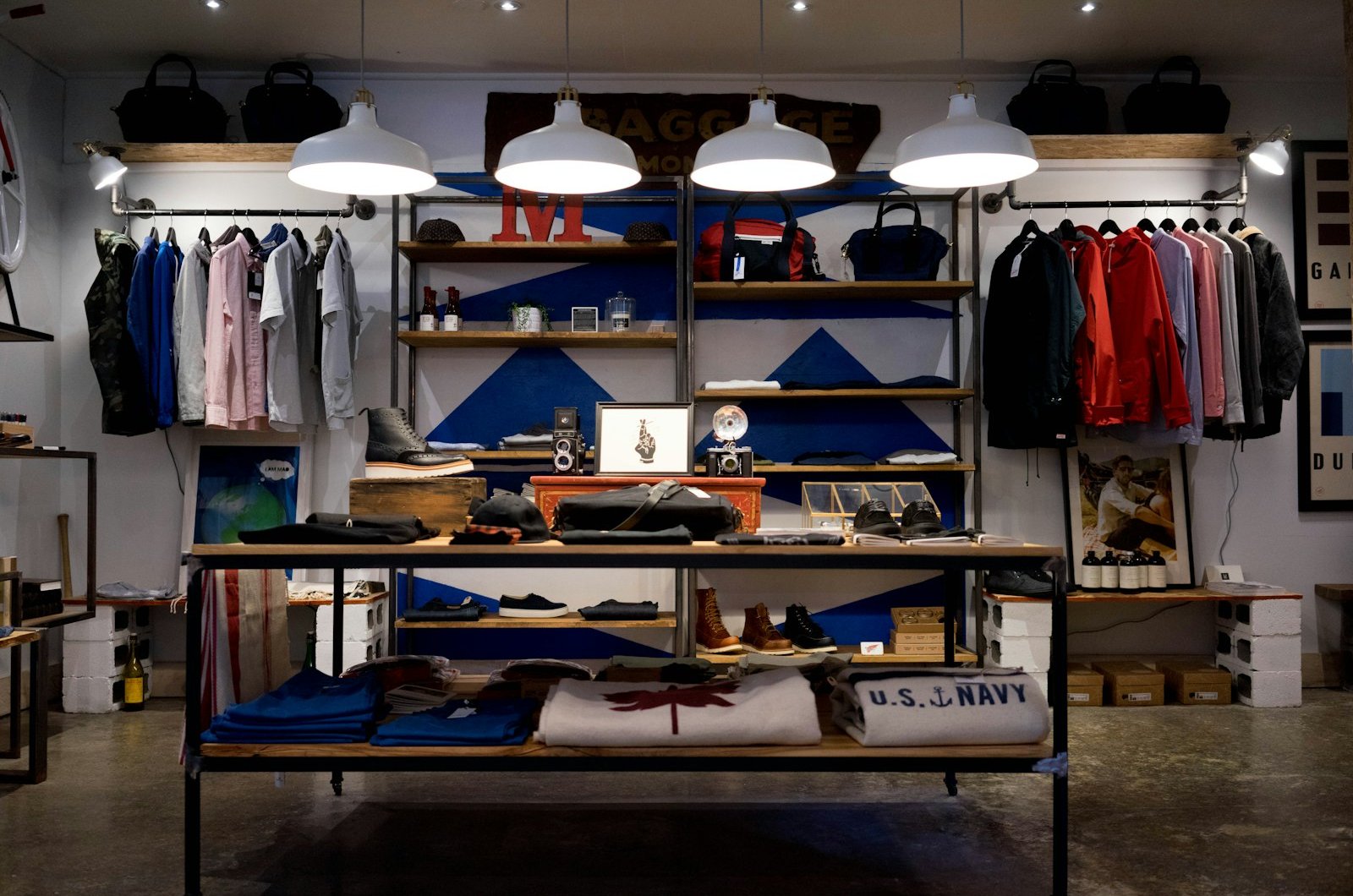
Walk into a high-end boutique in SoHo and you notice the music within seconds. Not what song it is. Whether the store feels like the kind of place where you spend $400 on a jacket. Walk into a mid-market store in the same neighborhood and you hear a pop playlist that could be playing in any coffee shop in America. The merchandise might be comparable. The price tolerance is not.
Most operators who think about store music think about genre. Jazz for upscale. Pop for young. Classical for luxury. That instinct is understandable, but the research says it misses the point. Genre is a rough proxy. Two tracks in the same genre can produce opposite customer reactions depending on how they sound, how loud they play, and whether the customer has heard them before.
What makes a store actually sound premium? #
A VP of store experience at a 25-location chain once told me every visual element in her stores was spec’d to the inch. The fixtures, the lighting color temperature, the folding technique on the display table. Then I asked about the music. She shrugged. “Whoever opens picks the Sonos playlist.”
That gap shows up in the data. Areni and Kim ran a study in 1993 where they changed nothing in a wine store except the audio. When the audio environment shifted to classical selections, customers traded up to more expensive bottles — without buying any more of them. Customers did not suddenly develop better taste in wine. Their perception of what kind of store they were standing in changed. That perception moved their spending.
The takeaway for operators is not “play classical music.” Classical is not a magic word. The takeaway is that audio carries quality signals the same way lighting and materials do. Customers read those signals whether you set them intentionally or not.
What most stores get wrong #
Three patterns show up in almost every store audit I do.
First, the genre-as-strategy mistake. A store picks jazz because jazz feels sophisticated. But a fast, busy jazz track sends a completely different signal than a quiet one. The label on the playlist tells you nothing about what the customer actually hears.
Second, volume set by whoever opens. An empty store at 9 AM sounds quiet. That same volume at 2 PM with 30 customers on the floor is a different experience entirely. A customer evaluating a $300 purchase needs mental space for that decision. When the audio competes for attention, that space shrinks.
Third, familiarity. Stores default to recognizable songs because staff like them. But research from Yalch and Spangenberg (2000) shows unfamiliar music extends perceived time in store. In a retail environment where longer browsing converts to higher tickets, playing the hits works against you.
You don't need a luxury brand to use this #
The increase in willingness to pay that researchers document when music matches customer identity applies across price points. A $200 dress. A $45 candle. A $75 skincare set. These are all purchases where quality perception directly affects what the customer is willing to spend.
Luxury brands figured this out early because they design every sensory detail. But mid-market and premium-casual brands leave the most on the table, because they invest in visual merchandising and ignore the one sense that hits the customer before they even see the product.
The question is not whether your store is fancy enough to care about audio. The question is whether your store sells anything where the customer’s perception of quality matters to the transaction. If the answer is yes, your audio is either reinforcing that perception or undermining it. There is no neutral setting.
What to do this week #
Walk three of your stores at different times of day. Do not tell the staff you are coming. Stand near the entrance for 60 seconds and ask yourself: does this sound like the kind of store where someone spends what we are asking them to spend?
Then check two things. Who chose the music playing right now, and when was that choice last reviewed by someone responsible for customer experience? If the answer to the first question is “the opener” and the answer to the second is “never,” you have found your gap.
For the retail leader view of why this matters, see the retail leaders page.