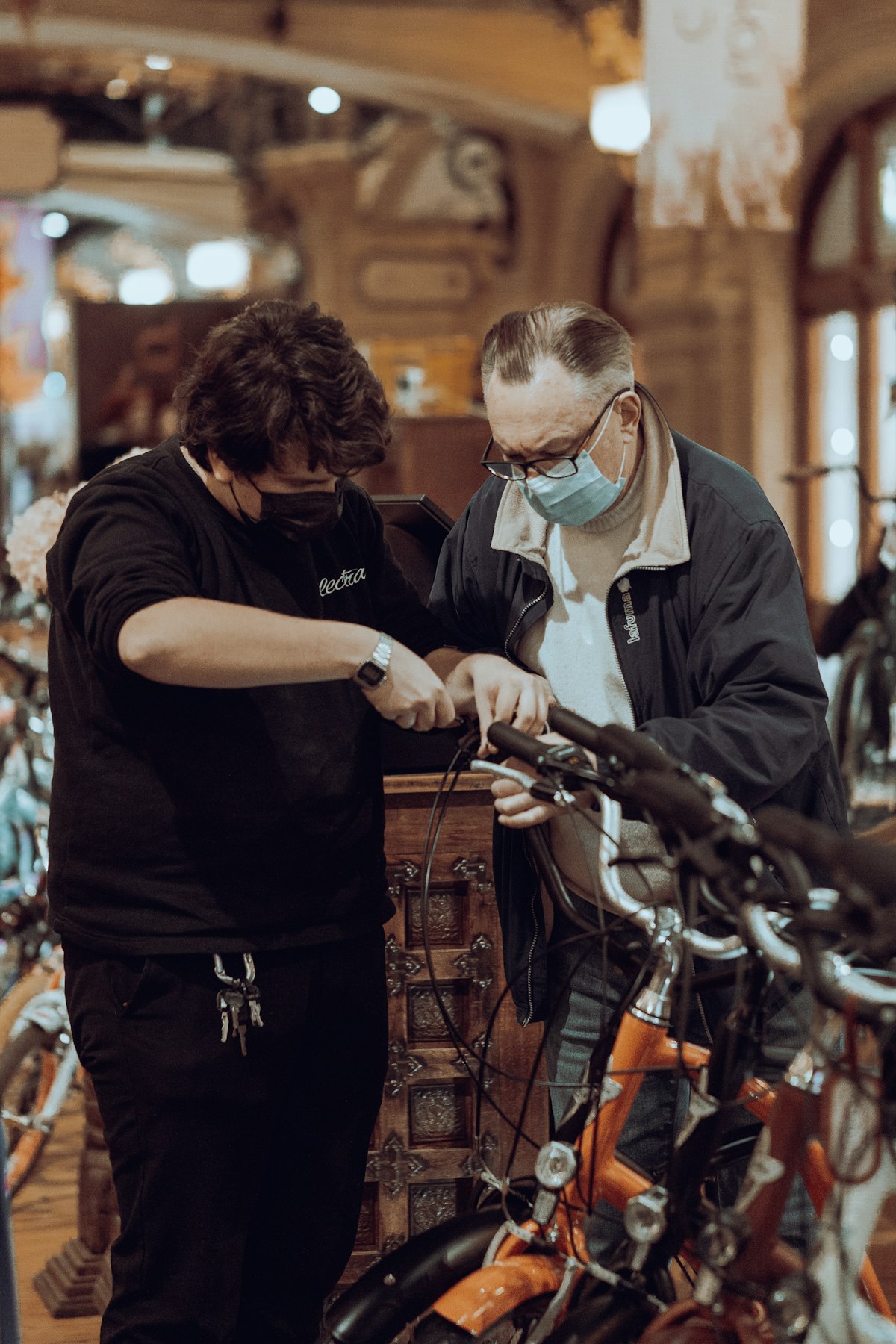
There’s a moment that happens on every retail floor, dozens of times a day, that nobody tracks. A customer walks in. They start browsing. Your sales associate watches for the right opening, reads their body language, decides when to approach. When to back off. When to close.
That judgment call is everything. And it’s happening inside an environment that your sales team didn’t design and mostly can’t control.
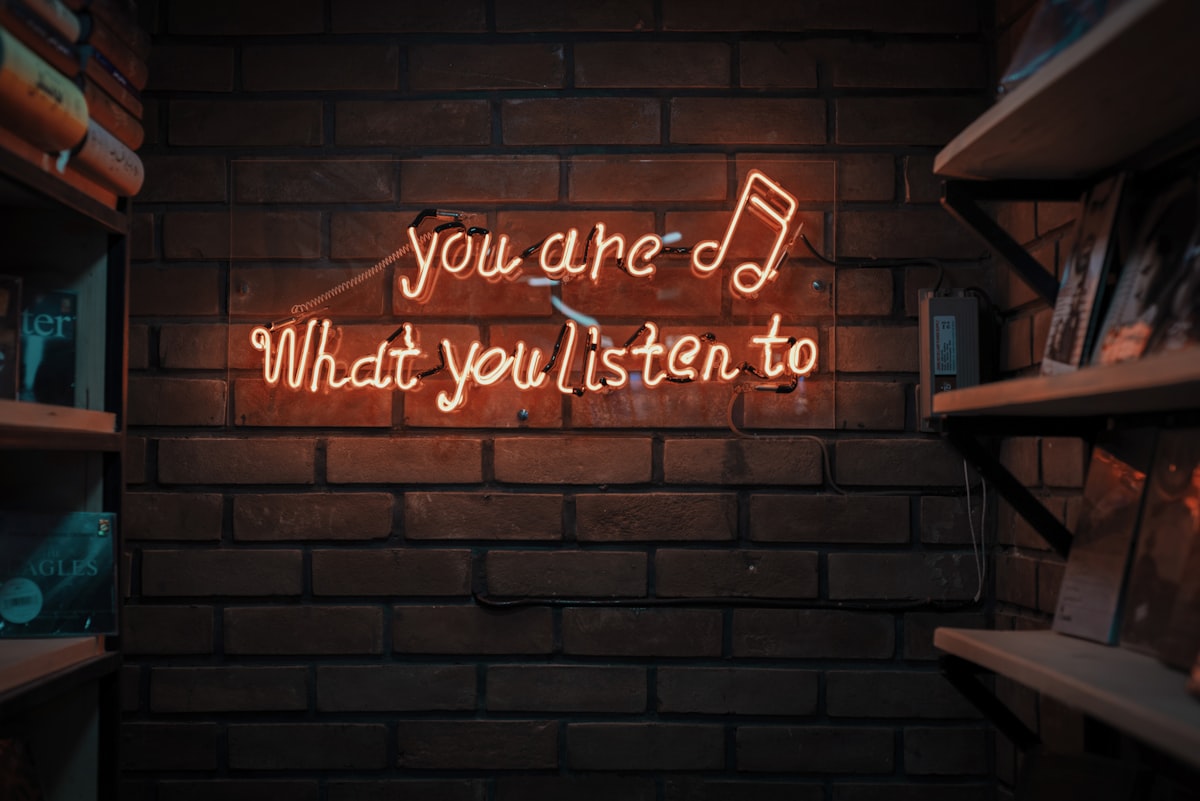
The music playing in your store is already in that interaction. It was there before your associate said a word. It set the customer’s pace, their openness, the emotional register they’re operating in. Your team is walking into a conversation the room already started.
What is your store's music already telling customers? #
Most retailers treat music like wallpaper. Pick a playlist, set the volume, move on. The problem is that wallpaper isn’t neutral. Every track carries tempo, mode, lyrical content, emotional valence. And your customers’ nervous systems are processing all of it, below the level of conscious thought, while your floor staff tries to build rapport.
Here’s what that actually looks like in practice.
“Mad World” comes on. The Gary Jules version, the one everybody knows. Spare piano, mournful tempo, vocals that describe looking out at a world that feels distant and wrong. It’s on the approved playlist. Nobody flagged it. It charted. It plays.
Your associate walks up to a customer who has been standing in that sonic environment for four minutes. The customer is already somewhere else, emotionally. Not present, not open, not particularly interested in engaging. Your associate is talented. They say the right things. But they’re rowing against a current they can’t see.
Or “Creep” by Radiohead. Another recognizable hit, another playlist staple. The lyrical content is a sustained meditation on not belonging, on inadequacy, on being in a place you have no right to be. “What the hell am I doing here.” That’s what’s playing while your customer decides whether to try something on.
Or “Under the Bridge” by Red Hot Chili Peppers, a song about loneliness and disconnection and wanting to disappear into something that makes the feeling stop. Gorgeous production. Completely wrong room.
None of these are obscure choices. They’re the kind of tracks that end up on retail playlists constantly because they’re inoffensive, familiar, and safe. The problem isn’t the artists. The problem is that the lyrical and emotional content of these tracks is doing active work on your customers’ psychological state, and that work runs directly counter to what your sales team is trying to accomplish.
What the Associate Is Actually Doing #
A sales associate who reads the room well is doing something specific. They’re finding the customer’s current emotional state and meeting them there, then gradually moving them toward openness, curiosity, desire. That’s the whole job. And it’s genuinely skilled work.
Music that’s tuned correctly does that job in advance. A mid-tempo track in a major key with lyrically neutral or positive content puts a customer in a different physiological state than “Mad World” does. They walk the floor differently. They make eye contact differently. They respond to an opening line differently.
Your associate didn't change. Their pitch didn't change. The customer changed, because the environment changed, before the conversation started.
The Measurable Version #
The measurable version of this is conversion rate per interaction. Same store, same staff, same traffic. What moves when the music changes? Dwell time moves. Basket size moves. The number of interactions that actually go somewhere moves.
Entuned instruments those variables at the compositional level, not the playlist level. Tempo, mode, lyrical content, harmonic structure — all specified and deployed based on the behavioral outcome the store is trying to drive at a given moment. The result is a floor environment that compounds your team’s effectiveness instead of working against it.
Your sales staff is still doing the closing. The music just stops making their job harder.