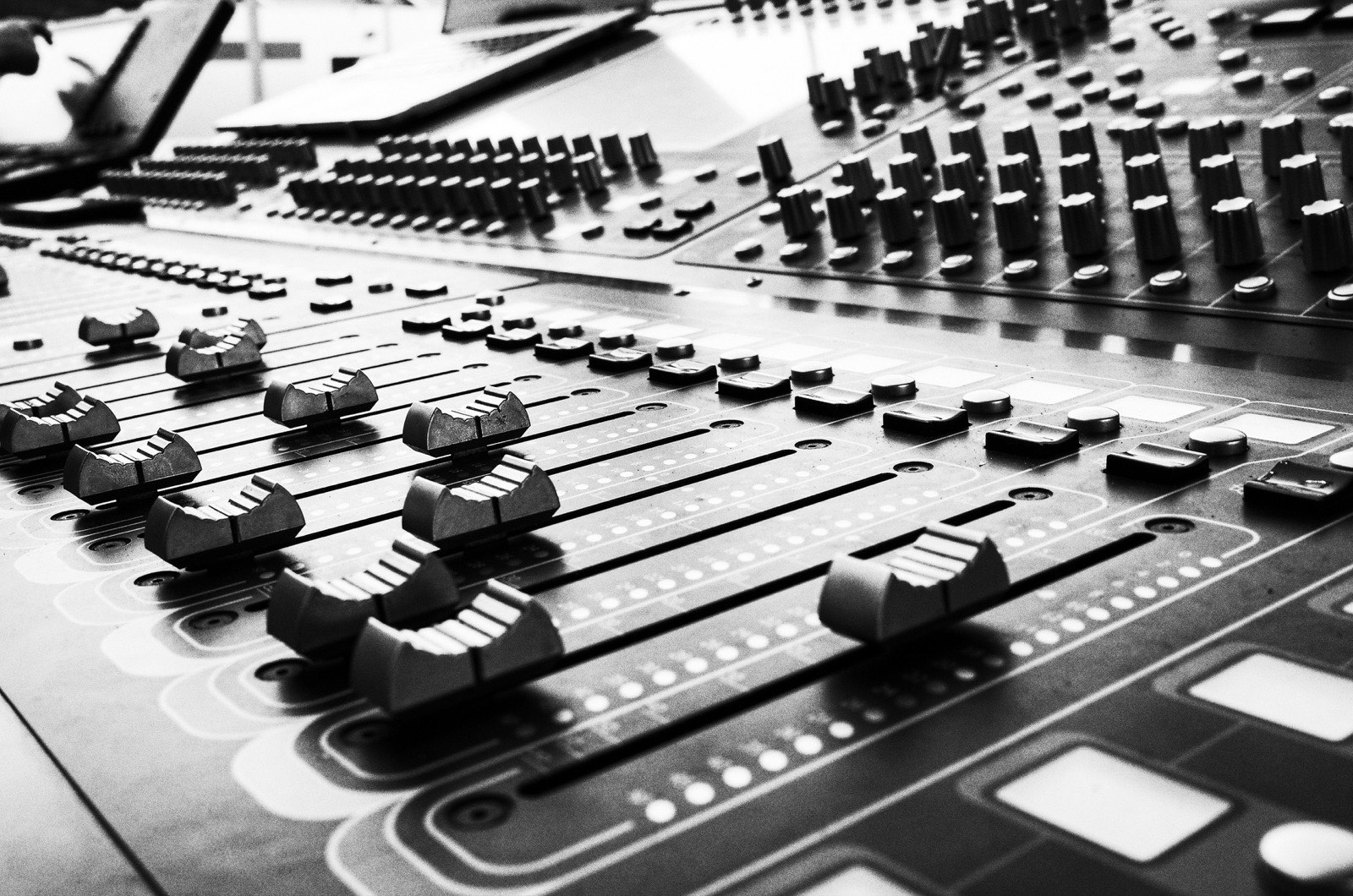
Walk into one of your stores on a Tuesday afternoon. Stand near the register for ten minutes. Listen.
You will hear music. Somebody chose it. Maybe a vendor, maybe a regional manager, maybe a playlist that has been running since the location opened. Somebody made a decision about what your customers would hear, and that decision is playing right now, on repeat, across every hour of every shift.
Here is the question almost nobody asks: is it working?
Is every song in your store either working or hurting? #
Decades of published research in consumer psychology confirm what most store operators already suspect. Music affects how long customers stay, how much they spend, and how they feel about the experience afterward. Ronald Milliman demonstrated the dwell-time effect in 1982, and dozens of studies since then have replicated and extended the finding across retail categories.
The implication is simple but uncomfortable. If music affects behavior, then every track your store plays is pushing customers in some direction. Toward a purchase, away from one, or into a kind of neutral drift where the music fades into background noise and does nothing at all. There is no version of “the music doesn’t matter.” The only question is whether you know which direction each track is pushing.
Most operators do not know. They have traffic counters, conversion rates, average transaction values, dwell time sensors, and a dozen dashboards for things they can see. The audio is the one variable that runs continuously, touches every customer, and goes completely unmeasured.
The gap between choosing music carefully and knowing it works is where most retail audio budgets disappear.
Where the Problem Gets Expensive #
A retailer will A/B test an email subject line for three percent of their list before sending the rest. They will run a four-week pilot on a new fixture layout in two stores before rolling it to forty. They will review heatmaps of foot traffic through every department.
They will not question what the room sounds like during the transaction.
That is not because operators are careless. It is because the music vendor category has never offered measurement as part of the service. Licensed radio stations sell reach. Playlist services sell curation. Mood Media, CloudCover, and similar providers sell a consistent, ad-free soundtrack with brand-appropriate tone. All of those are improvements over silence or a staff member’s phone plugged into the aux cable.
But none of them answer the question. A playlist can be tasteful, on-brand, and professionally assembled, and still be costing you money in the fitting room or at the register. Without measurement, there is no way to know. The music plays. Customers come and go. The two events sit in separate columns of the P&L and never meet.
What Changes When Someone Is Watching #
The retail analytics category has matured enough that most multi-location operators already have sensor data in their stores. Traffic counters, zone analytics, transaction logs. That data exists. It just has never been pointed at the audio.
When it is, the picture changes fast. Operators discover that some of their music is genuinely helping. Tracks that align with the brand, match the energy of the customer in the store, and contribute to the kind of experience that keeps people browsing instead of leaving. And they discover that some of their music is doing the opposite. Tracks that break the mood, pull attention in the wrong direction, or simply bore people into checking their phones.
The difference between those two categories is not a matter of taste. It is a measurable gap, and it shows up in the numbers that operators already track. Dwell time. Conversion. Average ticket. The data is there. The question is whether anyone has connected it to the speakers.
What You Can Do This Week #
Pull up your store analytics for the past 30 days. Look at conversion rate by hour. Look at dwell time by time of day. Now ask your music vendor what was playing during your best hours and your worst hours. If they cannot tell you, or if they can tell you what played but not what it did, you have found the gap.
That gap is not a small thing. Your audio runs more hours than any single employee works. It reaches every customer who walks through the door. And right now, for most retailers, nobody is watching whether it helps or hurts.
The results page breaks down what the dwell-and-spending research actually shows.