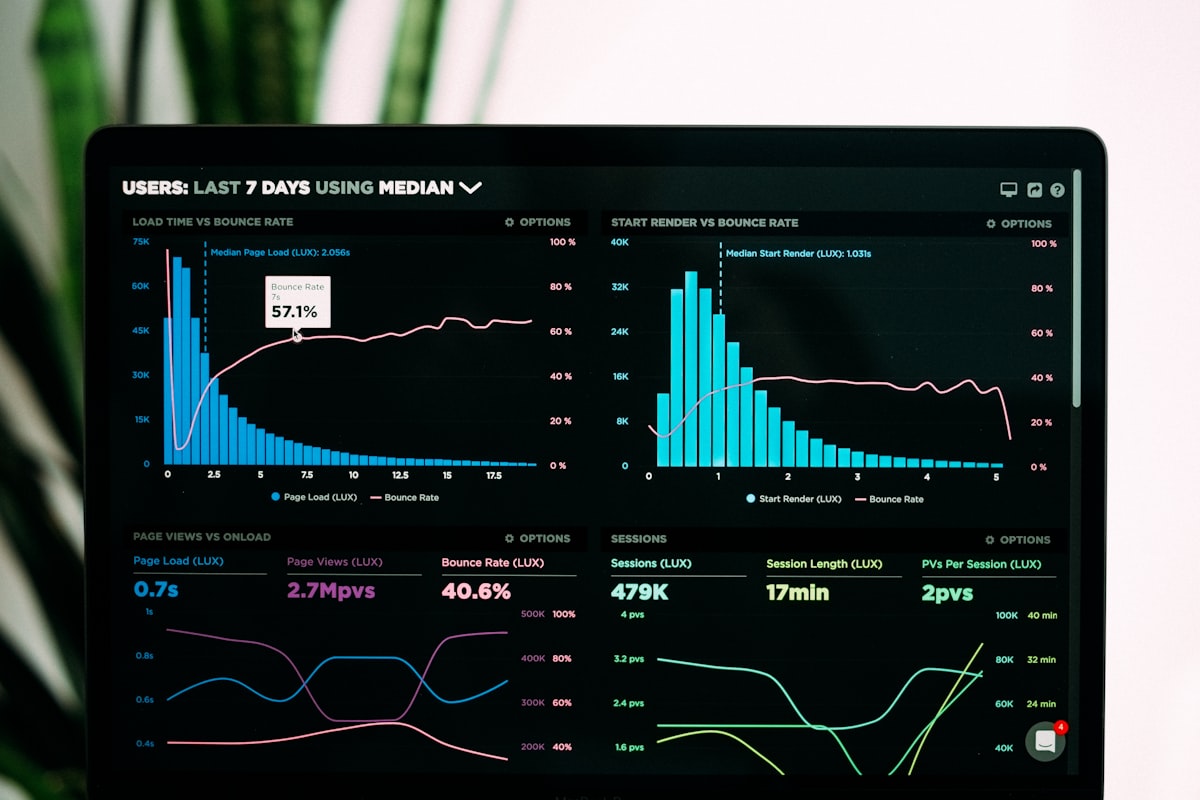
You walk into your third store of the day. The traffic counter above the door says the week is on pace. The POS dashboard on your phone says conversion is steady. You already know your top sellers for the quarter and you can recite last year’s same-store number in your sleep.
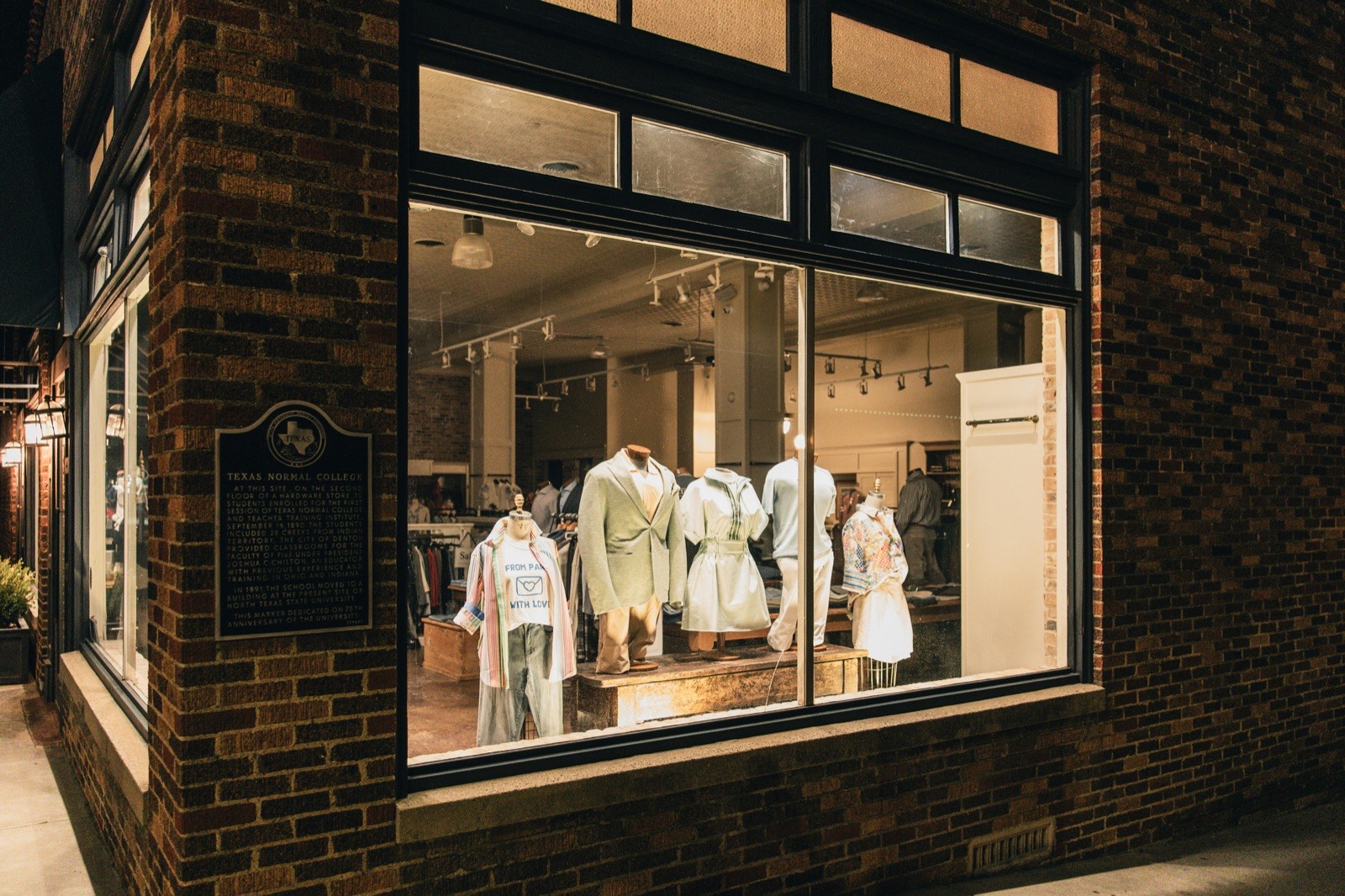
Now walk the floor for five minutes and try to name one thing about that store that nobody is putting a number to. The lighting level at the back wall. How long a customer stands at the fitting room queue before giving up. The music. The smell. The temperature at 3 PM on a Saturday.
Those are the variables that decide whether your merchant’s product actually moves in your room. And almost none of them show up in Monday’s numbers.
Which store-level KPIs are you not tracking yet? #
Retail operators get good at watching the KPIs their ops stack already produces. Sales per square foot. Units per transaction. Basket size. Conversion by time of day. These are the numbers the CFO asks about and the numbers your district managers can pull in a meeting.
The problem is that everybody in the industry tracks the same five or six metrics. If your peer chain is doing 4% better this quarter, the reason is almost never hiding in a column on the dashboard you already have. It’s sitting in a variable nobody on either team has named yet.
A restaurant group starts clocking table turn times. Nobody makes a big deal of it. Within a month the host stops seating parties of two at four-tops during the rush, the kitchen quietly reorders the prep list on the slowest-moving entrees, and a year later the same restaurants are turning tables 4% faster. The diners never notice. The P&L looks different.
That 4% did not come from a new metric on a slide. It came from one person deciding to watch something everyone else in the room had been treating as fixed.
Music is already moving your numbers, whether you're counting or not #
Every multi-location operator reading this has a store sound. Tempo, genre, era, volume, all sitting at whatever value someone landed on months or years ago. A district manager put on a playlist. A vendor sent over a channel. Staff turned the volume up in the morning and nobody turned it back down. The setting is now the default and the default is producing an effect on every shopper who walks in.
Milliman’s supermarket study in 1982 showed that slower tempo music produced 38.2% higher sales in the same stores with the same product mix. That research has been replicated across restaurants, wine shops, and department stores for forty years. The effect is real and the effect is big, and it is happening in your stores right now at whatever value your music happens to be sitting at.
Nobody is writing that number down. Nobody is comparing it across stores. Nobody is putting it next to conversion in a meeting.
What changes when a variable becomes a KPI #
Operators who start paying attention to a previously-ignored variable tend to report the same pattern. The first month nothing much happens. The team argues about what to watch and how to watch it. The second month somebody on the floor starts noticing patterns. By month six the district has a shared language for a thing that used to be a shrug.
The numbers don’t jump. They creep. A point of dwell here, half a point of conversion there. A flagship starts feeling different from a mall location even with the same merchandise plan. Staff stop complaining about the same thing three shifts in a row. None of this makes a press release. All of it shows up on the P&L a year later.
The operators who run multi-location chains and consistently outperform their peers are almost never the ones tracking more KPIs than everyone else. They are the ones tracking one that their competitors haven’t thought to name yet.
What you can do this week #
Walk three of your stores on three different days. Write down every variable on the floor that nobody in your company owns. The lighting program. The music. The fitting room flow. The smell at the front door. The temperature at peak. The line-of-sight from the entrance to the back wall. Pick one. Assign somebody to watch it for ninety days. See what they find out.
If music is the one you pick, there’s public academic work on the effect size and there are vendors who can help you actually measure it rather than just play it. Entuned Free is open to start — no credit card, no commitment — and built to put a number next to the variable most stores are still ignoring.
This gap sits at the center of the category Entuned was built to address.