Walk into two stores selling the same merchandise at the same prices. One plays top-forty pop through ceiling speakers. The other plays classical music. In the second store, customers reach for the more expensive option more often. Not because anyone told them to. Not because the products changed. Because they walked into a room that sounded like a place where the premium choice made sense.
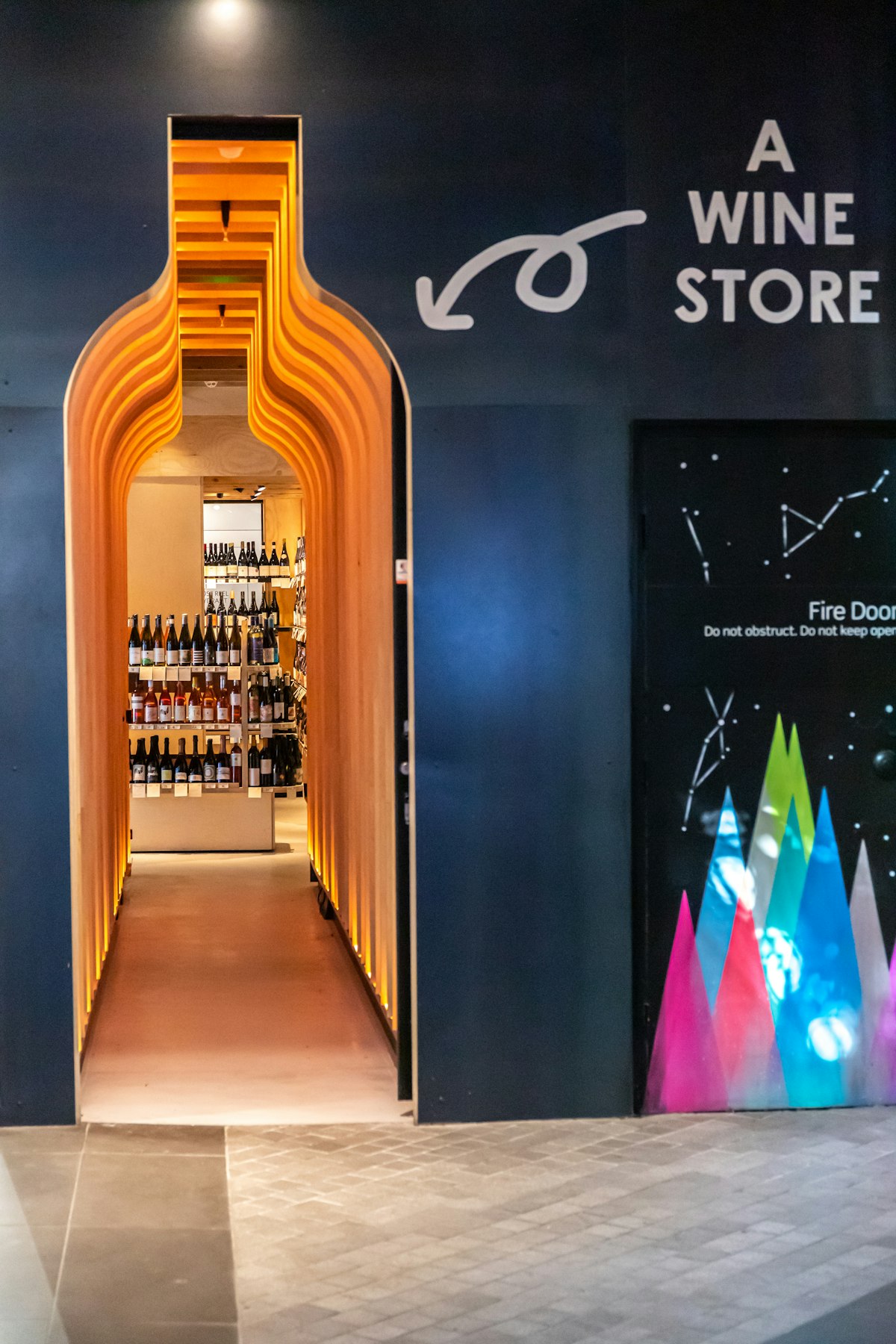
That is not a hypothetical. It is the central finding of a 1993 study by Areni and Kim, conducted in an actual wine store with real customers spending real money.
Does luxury-style music really make shoppers spend more? #
The setup was simple. Researchers alternated between classical music and top-forty pop on different days in a wine store. The wines on the shelves stayed the same. The prices stayed the same. The staff was the same. The only variable was what came through the speakers.
On classical music days, customers selected significantly more expensive bottles. They were not wine experts responding to some sophisticated cue. Most of them probably could not have named the piece playing. But they heard something that changed their sense of what kind of store they were in, and that changed what they were willing to spend.
The finding has been cited and replicated enough times that the basic effect is well-established in consumer behavior research. Customers in stores with refined background music perceive higher quality in the products around them. They evaluate against a higher standard and spend accordingly.
This works outside luxury #
The operators who should pay the most attention to this research are not running luxury brands. They are running mid-market stores where customers arrive with aspiration.
A customer shopping for home goods at a mid-range price point is buying for how the product will look in their house, not just for what it does. A customer picking out a piece of jewelry below the luxury threshold is still making a purchase that says something about who they are. A customer in a boutique clothing store spending at the upper edge of their usual budget is looking for permission to go ahead.
In all three cases, those customers are either hearing audio that reinforces their aspiration or audio that undercuts it. Most operators have never checked which one their stores are playing.
The ceiling on perceived quality in your store is probably higher than your current audio is reaching.
What to check this week #
Stand in your highest-performing store on a busy afternoon. Close your eyes for thirty seconds and listen. Does the music match what a customer sees when they look at your merchandise and your price tags? Or does it sound like a waiting room, a gym, or someone’s commute playlist?
Now do the same thing in your lowest-performing location. If the audio feels different, that is worth investigating. If it feels the same, that is also worth investigating, because the two stores probably have different customers walking through the door.
The wine store study did not prove that classical music sells more wine everywhere. It proved that customers evaluate products differently depending on what they hear while they shop. For a multi-location operator, the practical question is whether anyone has ever measured that effect in your stores.
The deeper academic record on music and shopper behavior is catalogued on the science page.