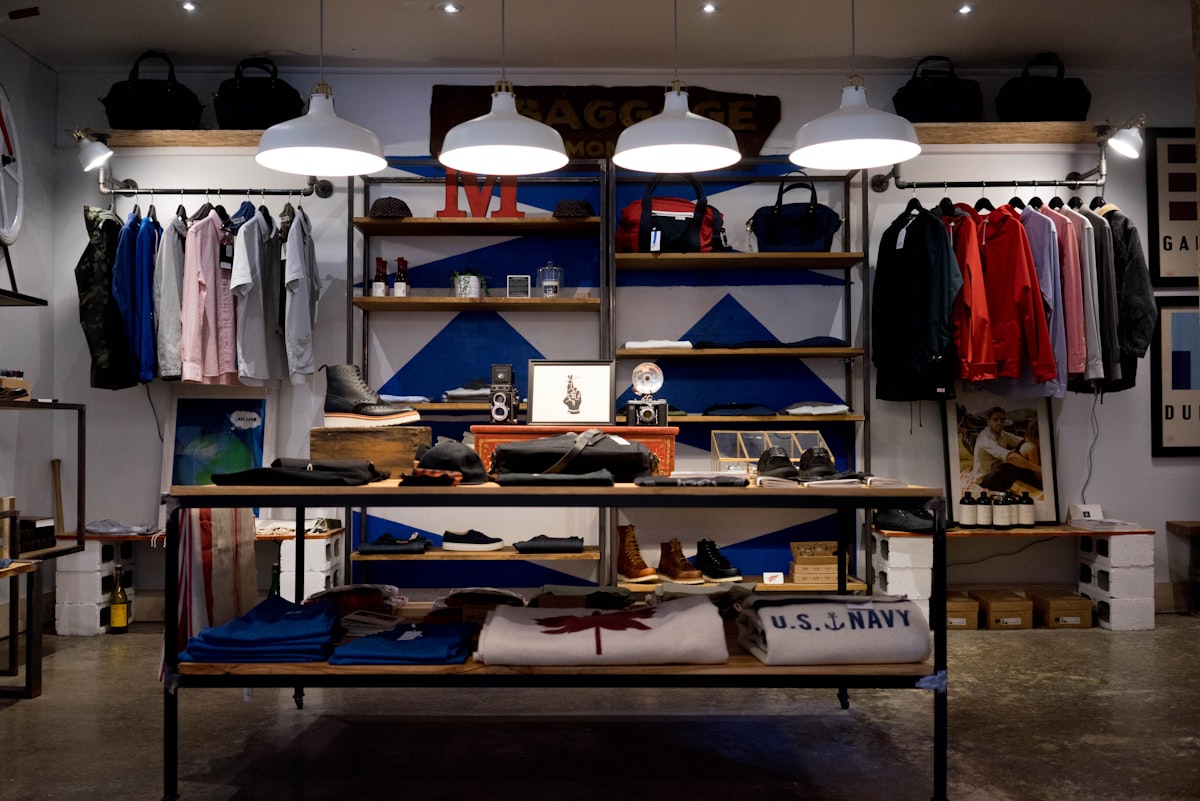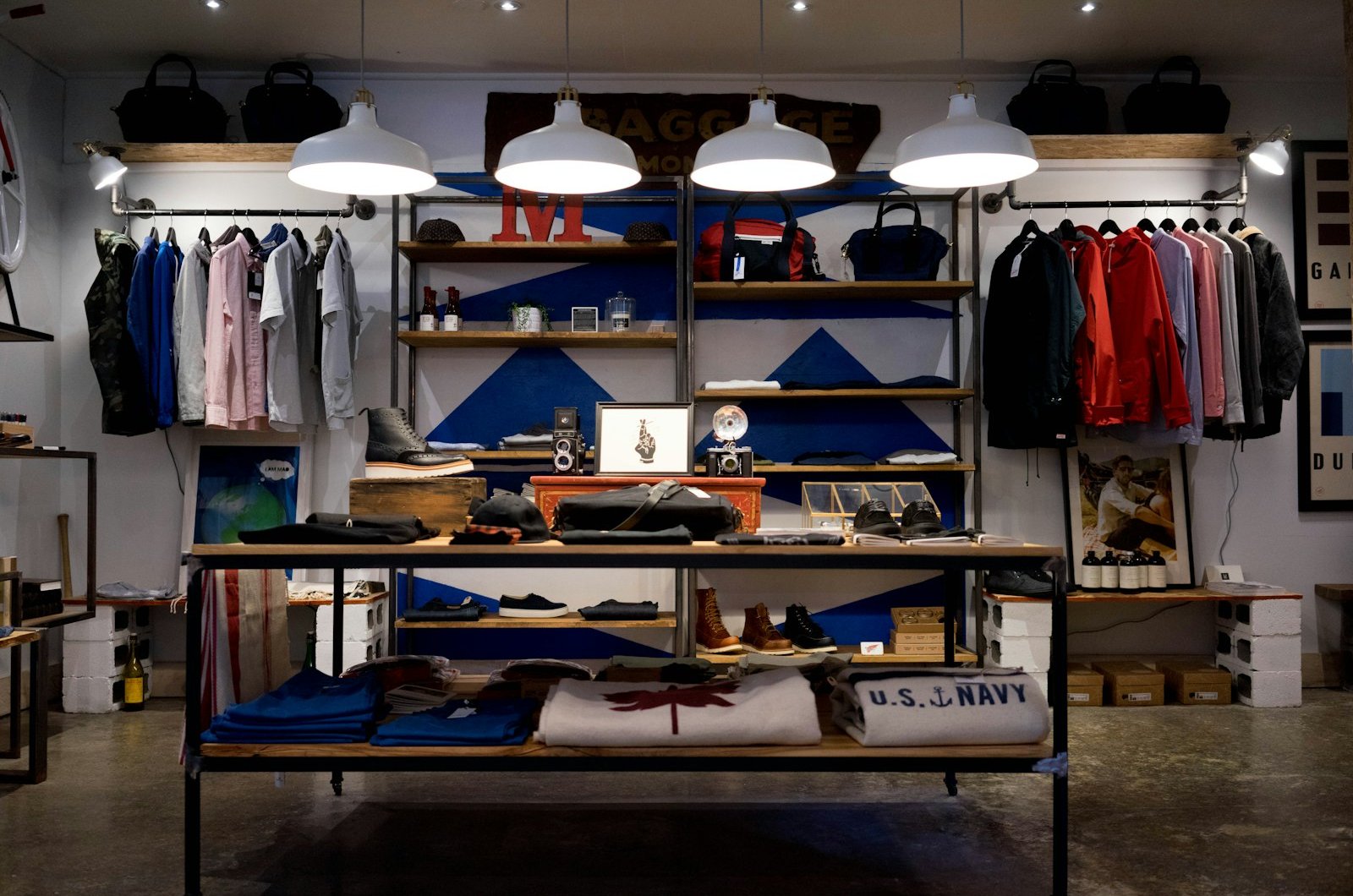
You spent six months choosing the marble. You tested four shades of white for the walls. The shopping bags have a specific weight and a custom colorway. Every surface the customer touches has been considered.
Then somebody picked a playlist called “Chill Vibes” and moved on to the next task.
What music should a high-end store actually play? #
In 1993, Areni and Kim ran a study that still holds up. They alternated classical music and top-40 pop in a wine store over a controlled period. The number of bottles sold stayed flat. But the average transaction value moved.
When classical music played, customers reached for more expensive bottles. Nobody bought more wine. They bought better wine.
The explanation is straightforward. Classical music primed an association with quality, sophistication, and care. That association bled into how customers evaluated the products around them. They were not thinking about the music. They were thinking about wine. The music shaped how they thought about the wine.
This Is Not Wine-Specific #
A customer walking into any store builds an impression from every sensory input in the first ten seconds. Lighting, materials, spacing, scent, and sound all contribute. The brain assembles a composite read on quality level before the customer picks up a single product.
When the audio matches the rest of the environment, a $300 jacket feels appropriately priced. A $45 candle feels reasonable. The products have not changed. The context in which the customer evaluates them has.
When the audio contradicts the environment, the same $300 jacket feels overpriced. The customer might not say it that way. They just feel less certain about the purchase. The browsing feels slightly wrong. They leave, or they spend less than they would have.
Three Mistakes Operators Keep Making #
The most common mistake is letting staff pick the music. Store managers in premium environments tend to default to indie playlists that feel sophisticated to them. But “cool” and “premium” send different signals to customers. The manager’s taste is not the customer’s context.
The second mistake is volume. High-end stores should be among the quietest retail environments. Music below 58 dB creates an intimate, unhurried feel. Most stores run 10 to 15 dB louder than they should, because someone set the volume during setup when the floor was empty and never revisited it.
The third mistake is familiarity. Playing recognizable songs, even tasteful ones, triggers a time-perception distortion. Customers who recognize what is playing perceive that they have been shopping longer than they actually have. In a premium environment where extended browsing leads to higher transaction values, that distortion works against you.
What You Can Do This Week #
Walk your highest-performing store and your lowest-performing store on the same day. Stand near the entrance for two minutes and listen. Ask yourself three questions. Does the music match the price point of the merchandise? Is the volume low enough that two customers could have a quiet conversation? Would you know the name of any song playing?
If the answer to the first question is no, or the answer to the third question is yes, the audio is probably working against the rest of your store design.
Most commercial music vendors give you genre filters and call it done. Genre is a rough tool. Two tracks labeled “jazz” can send completely different signals about the kind of store a customer is standing in. The gap between what matters and what most providers let you control is where premium stores lose the thread.
Entuned builds original music around the psychology of your specific customer. If your store sounds like an afterthought and you have been looking for a better answer, Entuned Free is open to start — no credit card required.
For the retail leader view of why this matters, see the retail leaders page.