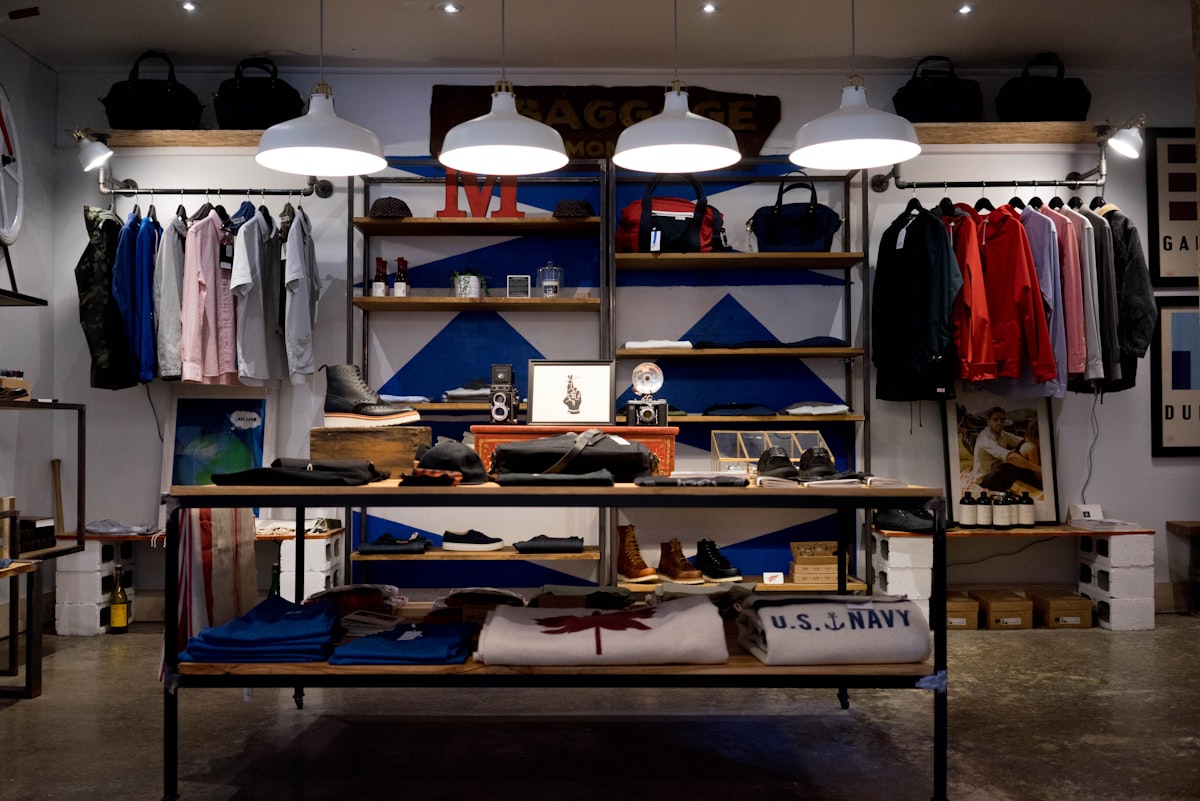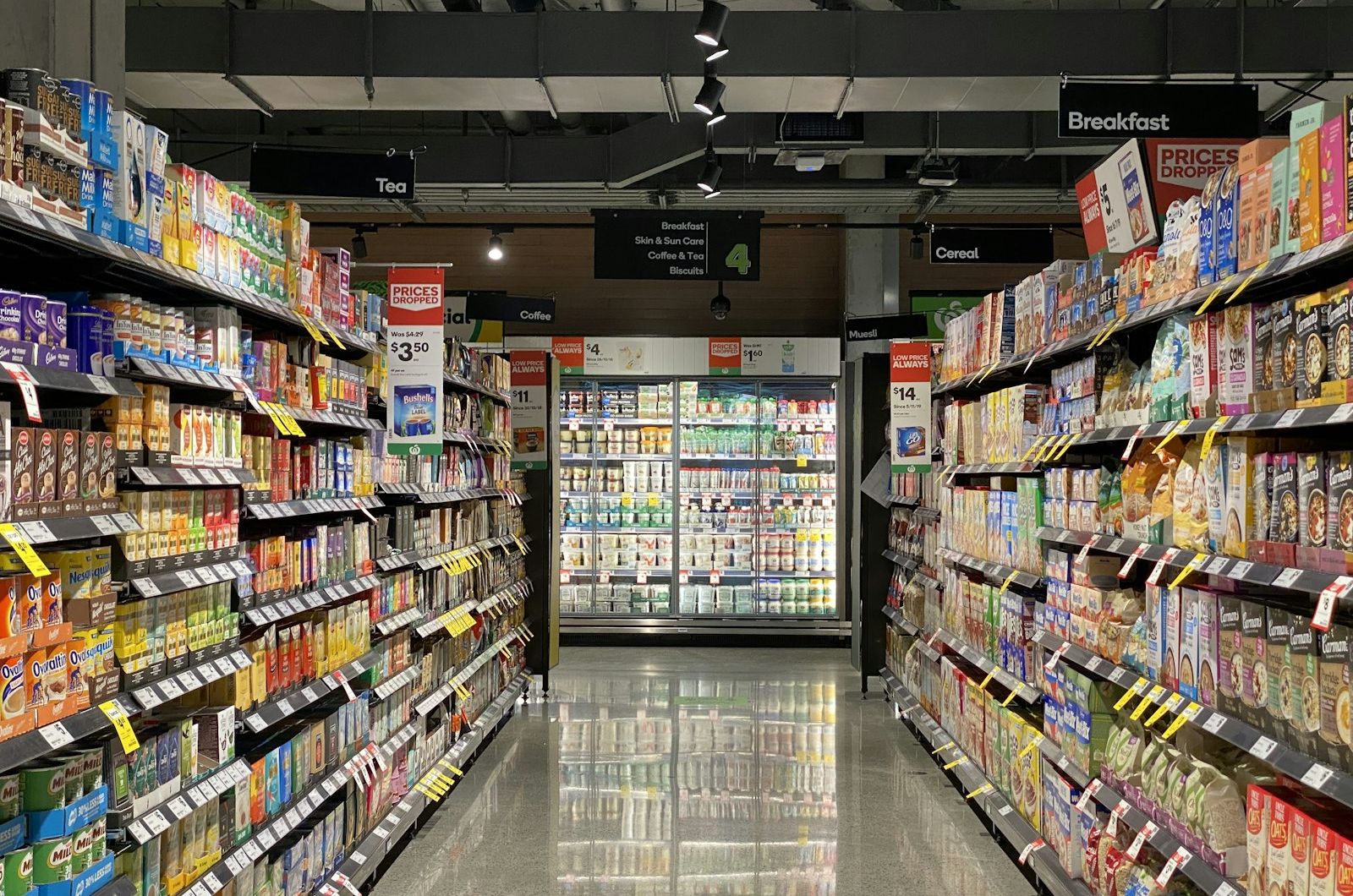
Walk into a store you run and count the deliberate decisions. The floor material. The fixture finish. The lighting temperature. The ceiling height. The rack spacing. The mannequin positioning. The paint color on the accent wall. Somebody chose every one of those. Somebody signed a PO for every one of those. Somebody will get a call if any of them drift.
Now listen to the music. In most stores, it is the only thing in the room nobody is responsible for.
Where is the audio gap in your customer experience? #
A mid-range specialty retailer opening a new location spends $150 to $300 per square foot on buildout. For a 2,500-square-foot store, that comes to between $375,000 and $750,000. Lighting can run $15,000 to $40,000 on its own. Fixtures and displays run $20,000 to $60,000. Scent, where a brand takes it seriously, runs a few thousand a year.
The audio line item: $200 to $960 a year. Less than a single mannequin. Less than the monthly electric bill. In a lot of portfolios, less than the cleaning service.
That ratio would be fine if audio had one tenth the influence of the rest of the box. It does not. Customers can look away from a display. They cannot turn their ears off. The music plays for every customer, every visit, every minute they are inside, and it is the cheapest line item in the store.
Why Audio Gets Treated Differently #
Three things explain the gap. None of them are about the music.
First, visual merchandising has an industry around it. Directors, budgets, training, trade shows, measurement. Audio has none of that in most orgs. Nobody on a retail org chart is accountable for what comes out of the speakers, so nobody walks it, nobody audits it, nobody catches it when the staff has quietly taken over the stream.
Second, a VP of retail can walk a store and see whether the displays are right. They cannot walk a store and hear whether the music is right, because nobody has ever told them what right sounds like in a way they could defend in a meeting. So they default to personal taste. Personal taste is not a merchandising standard.
Third, the incumbents do not give you any reporting. You get an invoice. You do not get a read on whether the stream went off in half your stores last Tuesday afternoon. Without reporting, there is no case to bring to your CFO for a better line item. The gap sits there.
What The Customer Hears In The First Ten Seconds #
A customer walking into your store forms a read on the place before they cross the second rack. Some of that read is visual. Some of it is the smell of the room. A meaningful portion of it is what the speakers are doing at that moment. Is the volume right for the hour of the day. Is the song the kind of thing this customer would expect here. Is it the same loop they heard in the mall twenty minutes ago. Is it actively wrong for the brand.
In those first ten seconds, the customer decides how long they are willing to stay, how expensive they believe the store is, and whether they will come back. A flagship that sounds like a food court is undoing the work of its own buildout. A boutique that plays whatever the closing manager had on Spotify last night is not a boutique that afternoon. Your customer does not file a complaint about it. They just leave faster.
A store that spends $40,000 on lighting to set a mood and $200 a year on audio that fights that mood is undermining its own buildout.
What To Do This Week #
You do not need a vendor to close part of the gap. Three moves, this week.
Walk three of your stores at the hours they actually run. Not 10 AM on a quiet Tuesday. The Saturday rush. The Thursday night close. Stand near the door for sixty seconds and listen. Most operators have not done this in a year.
Ask your music provider for a report. Any report. Uptime by store, genre by time of day, who has changed the channel in the last thirty days. The answer you get tells you what you are paying for.
Pick one store and have the manager write down, in plain language, who that store is trying to sound like. A specific brand. A specific customer at a specific hour. If they cannot write it down, nobody in the chain can, and the music is being chosen by whichever employee got to the tablet first.
If the last ten seconds of reading made you want to walk one of your own locations this afternoon, start there. Entuned Free is open to try — no credit card, no commitment.
The operational leadership case for treating audio as a brand element is laid out here.