A specialty retailer opens a street flagship six blocks from their existing mall store. The brand team wants the two to feel like the same brand. The ops team wants them to feel like the same store. Those are different goals, and the retailers who keep them separate tend to outperform the ones who do not.
The customer walking into the mall store and the customer walking into the street store are not the same person, even when they are the same demographic on paper. They got to the door a different way. They made a different decision to walk in. They brought a different amount of time with them.
Should mall and street stores sound the same? #
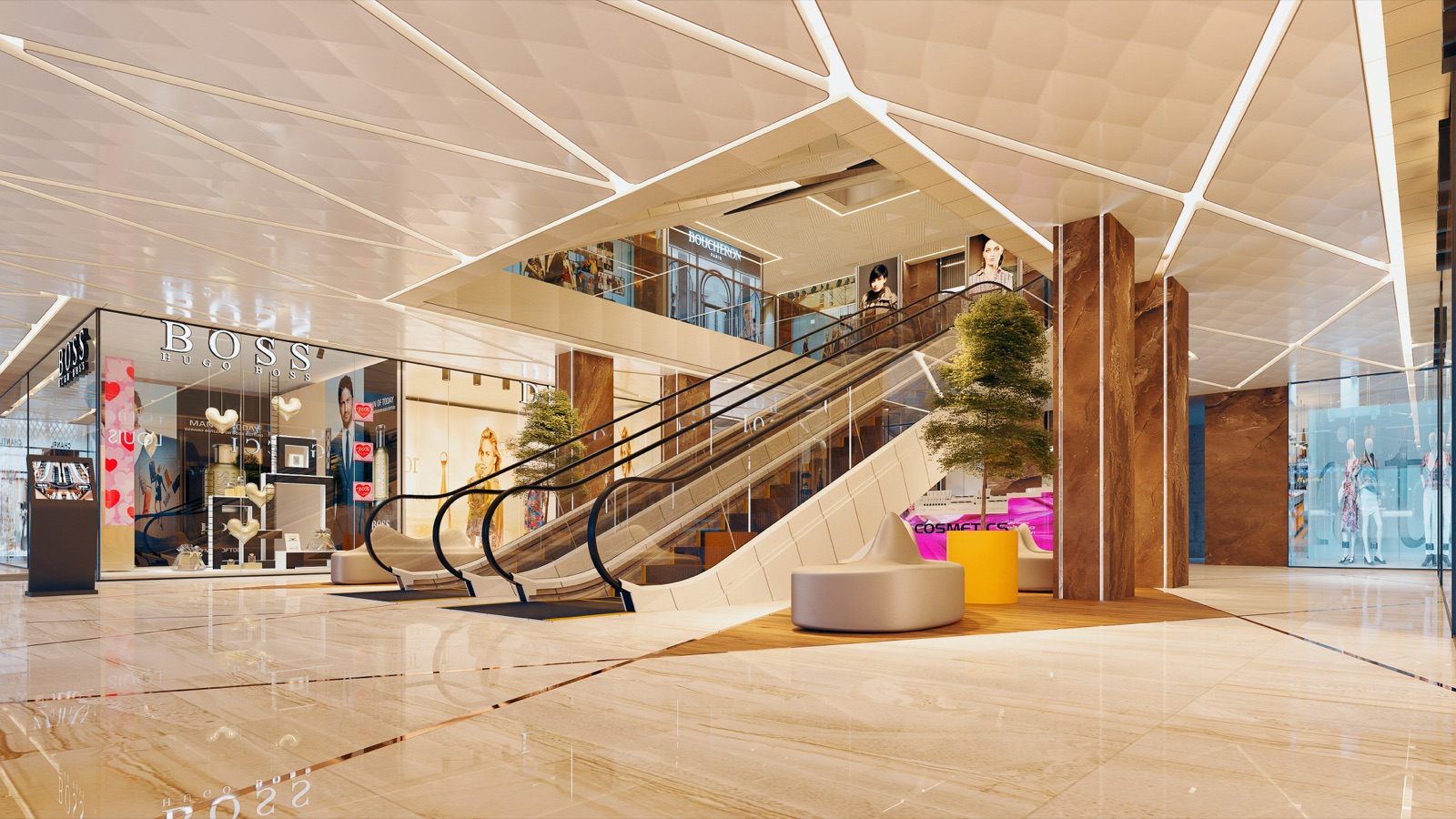
The mall customer is in transit. They made a trip to the mall for a broader reason (a food court lunch, a movie, a specific store next door) and passed your window. Their decision to enter was low-friction, partly because they were already moving through a curated corridor of storefronts. They will browse for fifteen minutes and move on. If nothing catches, they leave without emotional cost.
The street customer made a separate decision. They saw the brand, thought about it, and came here on purpose. They walked past other storefronts to get in the door. Their expectation for what they will find inside is higher because the trip required more of them.
Those are different entry conditions. The mall shopper is forgiving of a low-stakes browse. The street shopper is not. A street store that feels like the mall store creates an unspoken “that was it?” reaction on the way out.
Three things to keep constant across both #
The brand. This is obvious but worth saying. The logo, the wordmark, the color palette, the font, the tagline, the staff uniform. These should be identical and the ops team should enforce that. Nothing about the two formats should make the customer wonder if it is the same company.
The product quality tier. If the mall store carries the full line, the street store should too. Pulling SKUs to “match the format” usually costs more than it saves in both directions. The mall shopper who finds the line surprisingly deep becomes a street shopper later. The street shopper who finds the line surprisingly thin leaves with a worse brand impression.
The staff training standard. The opening script, the return policy, the hospitality norms. These hold constant so the customer who shops both formats never has to re-learn how this brand treats them.
Three things that should be different #
The pace of the experience. Mall stores should be able to serve a fifteen-minute browse without needing to staff-engage every customer. Street stores, especially in specialty categories, should feel more hosted. A street shopper who made the trip deserves a stronger floor presence than the mall shopper who wandered in.
The merchandising cadence. Mall stores benefit from signage and endcap promotions because the customer is scanning for a reason to stop. Street stores benefit from deeper product displays because the customer came in willing to browse carefully. Same merchandise, different presentation.
The audio environment. This is the one most chains handle worst. The mall store has bright ambient noise bleeding in from the corridor, a steady flow of foot traffic past the entrance, and a customer whose default state is transit. The street store has a quieter entry, slower foot traffic, and a customer who chose to be there. The two rooms need different music to do the same job. Most retailers run the same playlist in both and wonder why one feels right and the other does not.
The brand should look identical across formats. The experience should not. Mall and street customers entered under different conditions and deserve different pacing.
What the flagship actually does for the brand #
A street flagship is not just another location. It is a statement about what the brand is when it has the room to breathe. Customers who shop the mall store after visiting the flagship read the mall store differently. They carry the flagship experience with them.
If the flagship feels like a mall store with better lighting, the brand wastes the reason to have opened it. If the flagship feels like the real version of the brand that the mall store is a working approximation of, the mall store actually performs better because of it.
That distinction should show up in every element the brand team controls, including the audio, the pace, and the floor choreography.
What you can do this week #
Walk a mall location and a street location in the same chain on consecutive days. Stand just inside the entrance of each for fifteen minutes. Notice what you hear, notice how the light falls differently, notice how long the average customer stays before turning around.
Then ask a simple question: which elements of the store are the same in both formats because they should be, and which elements are the same because nobody got around to making them different? The second category is where the multi-location operators who outperform their peers spend their attention.
The operational leadership case for treating audio as a brand element is laid out here.