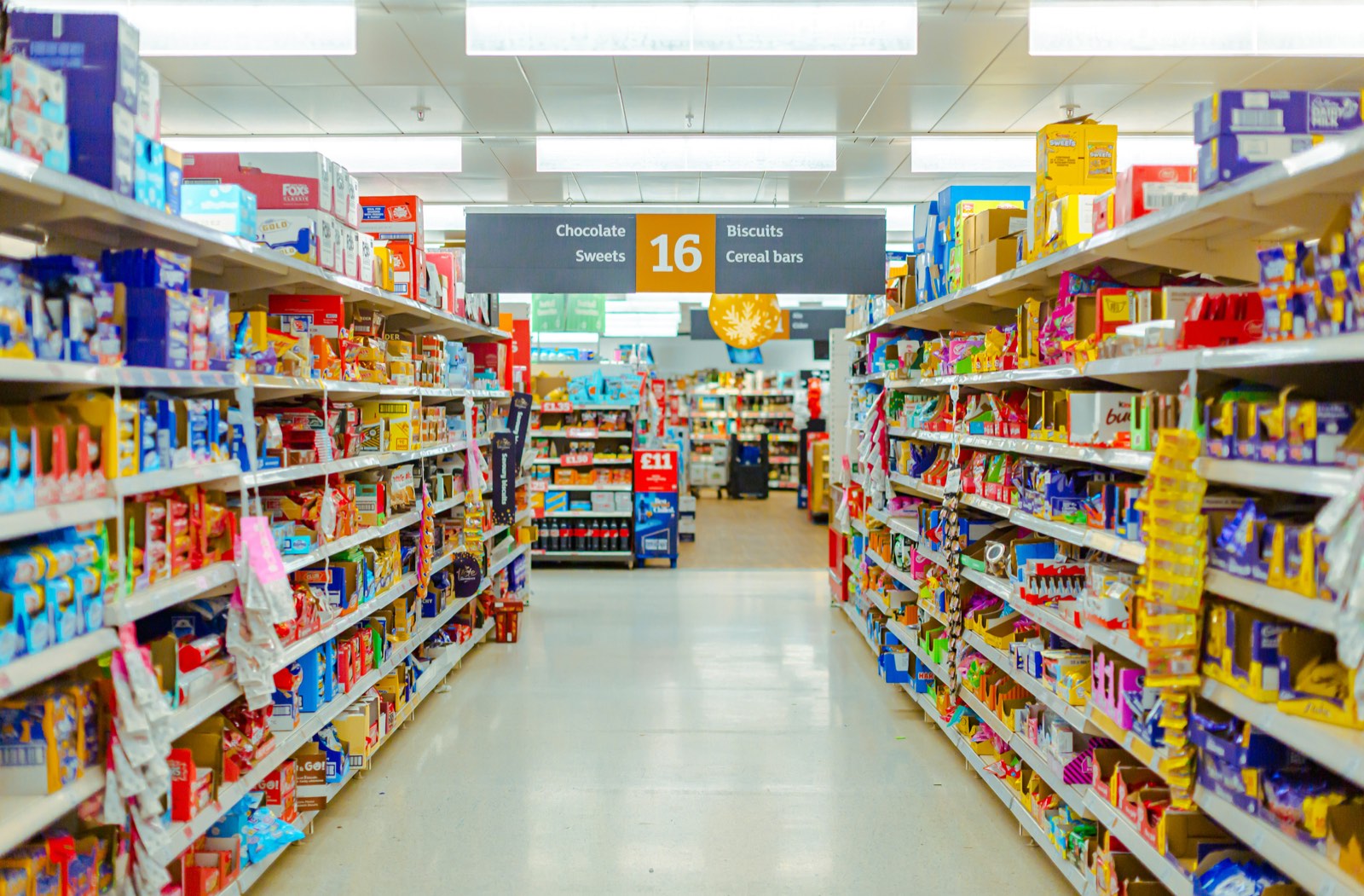
Grocery stores have a different relationship with music than most retail. The trip is functional. Customers come in with a list. They want to get through it and go. There’s no lifestyle experience being created the way there might be in a clothing boutique. The music isn’t there to set a scene. It’s shaping the pace of the trip and how the store feels while the customer moves through it.
That makes grocery one of the more interesting environments to study. The behavior is pacing-dependent in a way that most retail isn’t. A clothing shopper might browse at length regardless of what’s playing because browsing is the point of the visit. A grocery customer’s movement speed responds directly to ambient conditions because their default mode is to get through the store efficiently and leave. The music competes with that instinct, or supports it.
What the research says about grocery specifically #
The most cited study in retail music research was run inside a grocery store. Ronald Milliman, a marketing professor at Loyola University, published findings in the Journal of Marketing in 1982: slow-tempo music caused shoppers to move through aisles measurably more slowly, and that slower movement translated directly into higher sales. Not marginally higher. Sales volume increased 38% compared to the fast-tempo condition.
The mechanism isn’t subtle. A grocery customer moving slowly notices more products. They pick up items that weren’t on the list. They pause in a section they’d normally walk past. The music didn’t change what they came in for. It changed how they moved through the space, and that changed what ended up in the cart.
Subsequent research has confirmed the tempo-pacing relationship across store types, but grocery is where the effect is most direct. The pacing dependence of the shopping behavior makes it the highest-signal environment for this particular lever. The research has been in the literature since 1982. Most grocery stores have not acted on it.
What most grocery stores are doing instead #
Large chains typically use a commercial music service. Mood Media, SiriusXM, and Rockbot all have grocery clients. The music is licensed, legal, inoffensive, and largely unconsidered. It plays. Nobody tracks whether it’s working.
Independent grocers and smaller chains tend to land in one of three places: a personal Spotify account (illegal for commercial use under PRO licensing rules), broadcast radio (legal under certain square footage thresholds, but comes with ads and zero control over tempo or content), or silence. All three are foregoing measurable revenue.
The Spotify situation is worth naming directly. It’s the most common thing we hear from independent operators who are managing costs carefully. The exposure is real. A PRO audit on a store running personal Spotify can run well into five figures. And the outcome isn’t better anyway. A personal playlist isn’t calibrated for dwell time. It’s calibrated for the owner’s taste, which might bear no relationship to the tempo profile the store needs on a Tuesday morning.
What changes when you control the right variables #
Entuned generates original music designed around specific retail outcomes. For grocery, the dwell time outcome is the most direct application. The tracks are calibrated to slow movement pace without making the store feel static or oppressive. Tempo, energy curve, and sonic texture are all specified to encourage browsing. The goal is slower movement that still feels comfortable, not ambient drag that makes customers want to get out faster.
Because every track is original and owned by Entuned, there are no PRO licensing fees and no audit exposure. The Entuned Free tier is free, indefinite, and requires no hardware beyond the speaker setup the store already has. Setup runs about five minutes.
For multi-location grocery operators, the paid tiers add centralized control and music generated against a specific customer demographic profile. A natural foods market in a college neighborhood is serving a different customer than a neighborhood grocer in a suburban strip mall. The music should reflect that difference, because the customer it’s targeting is different, which means the psychographic profile is different, which means the sonic parameters that land correctly are different. A single playlist running across locations misses all of that.
Milliman measured one variable. Entuned controls 31. Tempo is the starting point, not the ceiling.
If you’re running a grocery operation and you’re currently on personal Spotify, broadcast radio, or nothing, there’s a better option that costs nothing to start. Select the dwell time outcome, start streaming, and compare the register against the two weeks before you switched. The research from 1982 tells you what to expect. The floor data will confirm it.