ASCAP’s published retail rate card starts at roughly $1 a day — $365 to $402 per year for the smallest stores. The exact fee depends on your business type, square footage, occupancy, and how the music is used. Restaurants and bars pay more than retail stores; the smallest establishments start around $730 a year. Live music venues pay the most.
But here’s what catches most people: ASCAP is only one of four performing rights organizations you’d need to deal with. BMI, SESAC, and GMR each represent different songwriters and publishers, and you need blanket licenses from all of them to be fully compliant. Total direct PRO licensing for a typical small retailer runs roughly $1,059 to $1,552 per year (published rate cards plus observed SESAC and GMR ranges, as of May 2026).
That’s before you’ve paid for the music itself.
How ASCAP pricing works #
ASCAP doesn’t publish a simple price list. Fees are determined by rate schedules that vary by business category. A retail store has a different rate than a restaurant, which has a different rate than a gym. Within each category, fees scale based on factors like the size of the space and the potential audience.
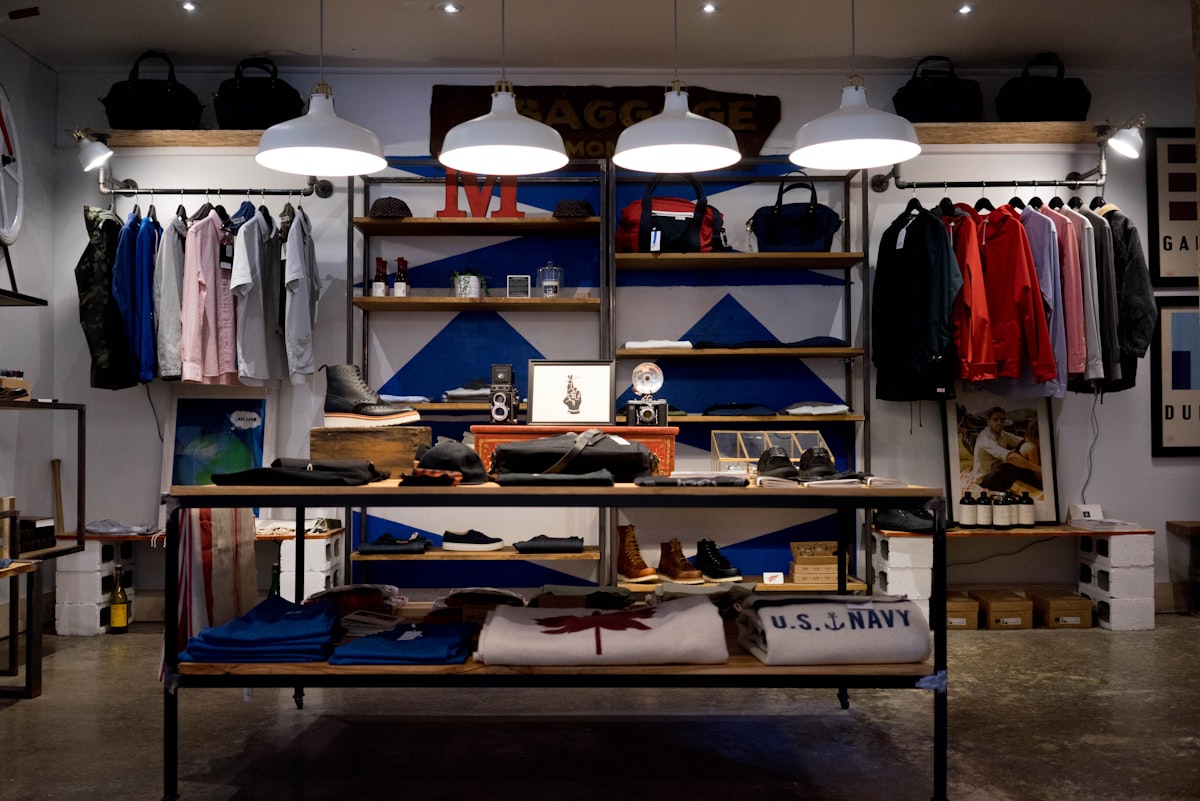
For a small retail store, you’re generally looking at the lower end of the range. A couple hundred dollars per year. But add BMI at a similar rate, plus SESAC and GMR, and the total starts to feel disproportionate to the activity of playing background music in a 1,500 square foot shop.
ASCAP also requires annual renewal. Miss it and you’re technically operating without a license, which means you’re exposed to statutory fines of $750 to $30,000 per song.
Why this system exists #
ASCAP’s job is to ensure that songwriters and publishers get compensated when their work is performed publicly. That includes live performances, radio broadcasts, and music played in commercial spaces. The blanket license system lets businesses access a large catalog of music without negotiating individual song rights.
The system is legitimate. Songwriters deserve to be paid for their work. But the practical effect on small business owners is a layer of cost and complexity that feels wildly disproportionate to the simple act of having some music playing in the background.
The way to opt out entirely #
The PRO licensing obligation only applies to copyrighted music where a third-party rights holder exists. If you play music that isn’t registered with ASCAP, BMI, SESAC, or GMR, the licensing requirement doesn’t apply.
This is exactly how Entuned works. We generate original music for retail environments and own every track. No third-party songwriters. No publishers. No PRO registration. When you stream our music in your store, there’s no public performance license required.
Our free tier gives you unlimited in-store streaming at zero cost. The music is designed for retail, with three mood modes: Chill, Steady, and Upbeat. No subscription. No licensing fees. No annual ASCAP renewal.
If you’ve received a letter from ASCAP and you’re trying to figure out whether to pay, there’s a third option beyond paying up or ignoring it: switch to music that doesn’t require a license in the first place.
Getting started #
Sign up at entuned.co. Start streaming in about five minutes. The ASCAP question goes away when the music isn’t in their catalog.
Before you pay, confirm the bill is even yours: the music license exemption checker walks the exemptions, and the PRO enforcement map shows how aggressively PROs pursue businesses in your state. To see the full four-PRO bill for your footprint — ASCAP plus BMI, SESAC, and GMR — run the music license cost calculator.